1. Introduction: The Critical Need for Offshore Navigational Safety
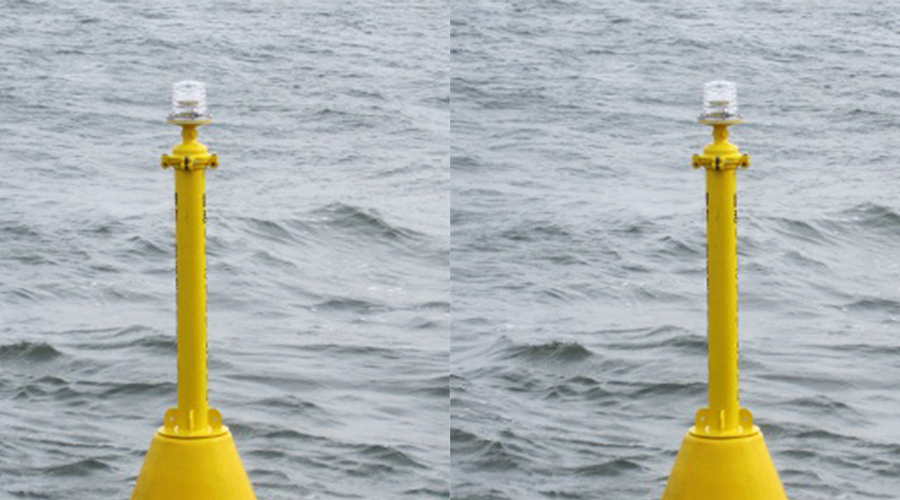
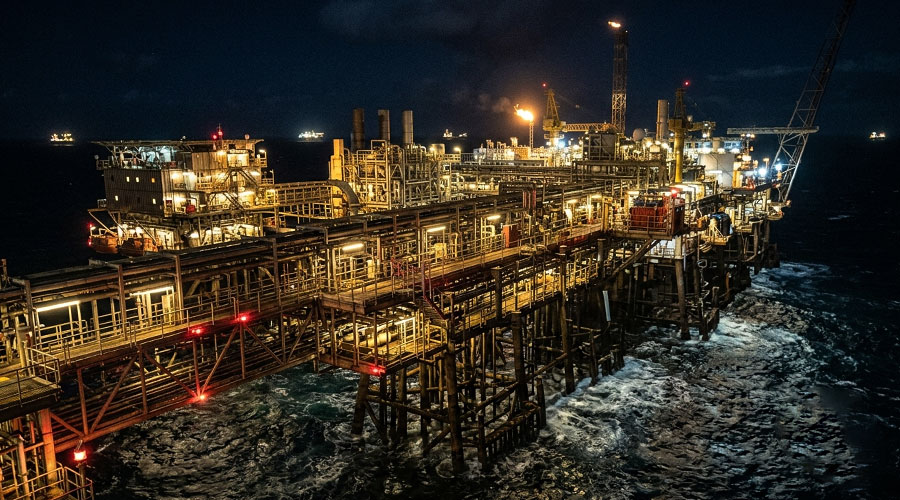
Solar Marine Lights for Offshore Platform: Offshore industrial installations—including oil & gas production platforms, offshore wind farm substations, FPSO units, deep-sea aquaculture cages, and meteorological buoys—operate in some of the world’s most unforgiving environments.
Positioned directly in coastal or international shipping lanes, these massive structures face severe collision risks during nighttime, heavy fog, and severe sea storms. Installing high-performance solar marine lights is vital to prevent catastrophic maritime accidents.
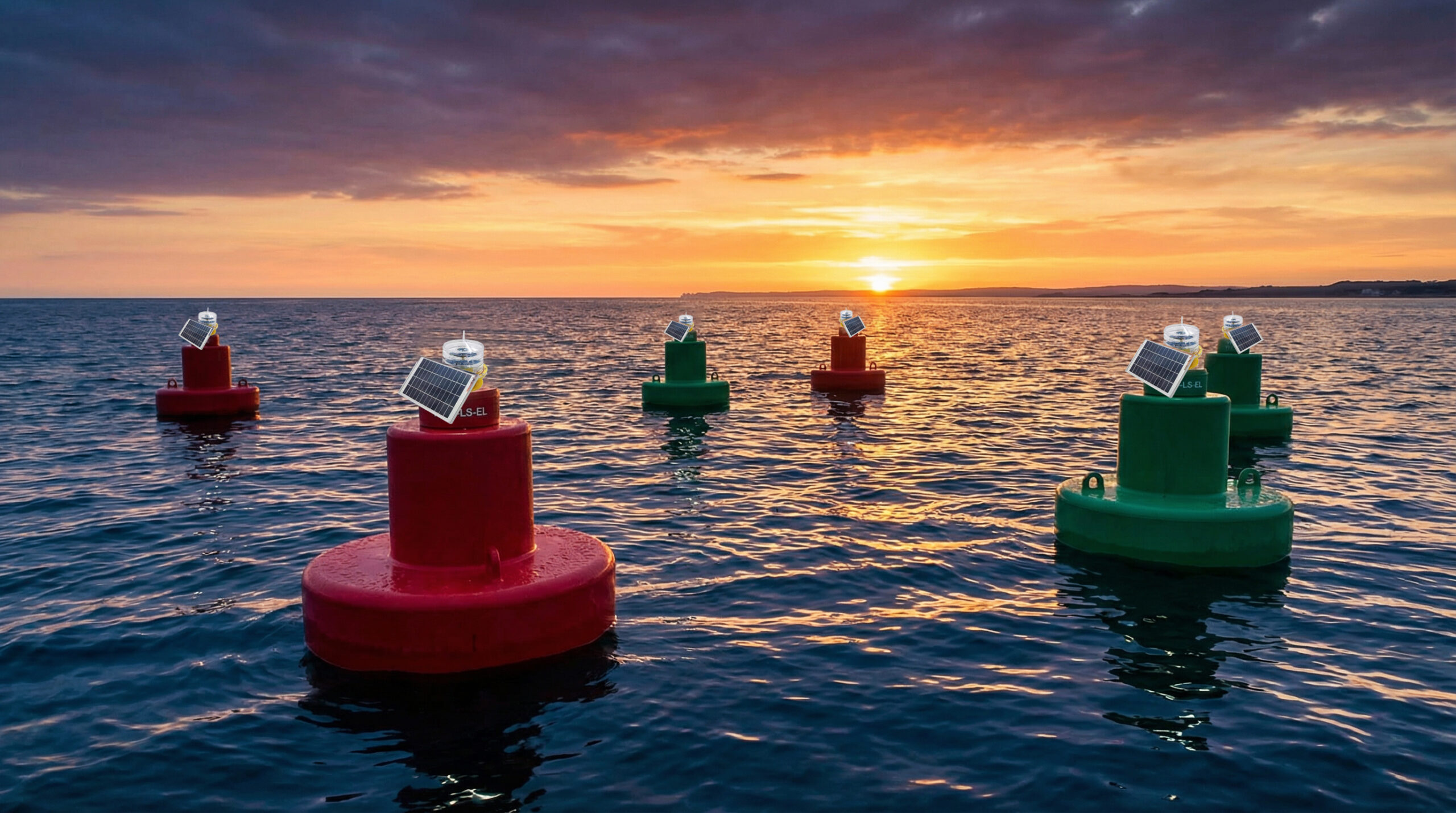
To maintain strict safety and comply with international regulations (such as those established by the IALA – International Association of Marine Aids to Navigation and Lighthouse Authorities), every offshore asset must be equipped with certified marine aid to navigation (AtoN) lighting systems. Among modern optical solutions, self-contained solar marine navigation lights have firmly established themselves as the definitive industry standard for remote maritime structures.
2. Real-World Environmental Challenges Offshore
If you deploy standard land-based or inland marine fixtures on an offshore platform, they won’t last long. Over years of field deployment, we typically design around four primary environmental threats:
- Severe Marine Salt Spray (C5-M/CX Environments): Continuous ocean spray creates salt crusting on housing surfaces. Unprotected alloys suffer rapid pitting and galvanic corrosion within months.
- Continuous Structural Vibration & Storm Loading: Wind turbine towers and drilling rigs experience ongoing structural vibration. Coupled with wind gusts exceeding 60 m/s (130 mph) and wave slamming, fixtures need solid shock isolation.
- Potentially Hazardous Gas Zones: Oil and gas platforms carry hydrocarbon leak risks. Electrical equipment installed near wellheads or processing decks must carry certified ATEX/IECEx Zone 1 or Zone 2 explosion-proof ratings.
- High Maintenance Transport Logistics: Dispatching a Crew Transfer Vessel (CTV) or helicopter just to replace a burnt-out light or faulty driver can cost tens of thousands of dollars. Reliability isn’t just a spec—it directly dictates your operating budget.
3. Practical Functions of Solar Marine Lights on Offshore Structures
Offshore marine lights serve distinct operational roles across an asset’s perimeter:
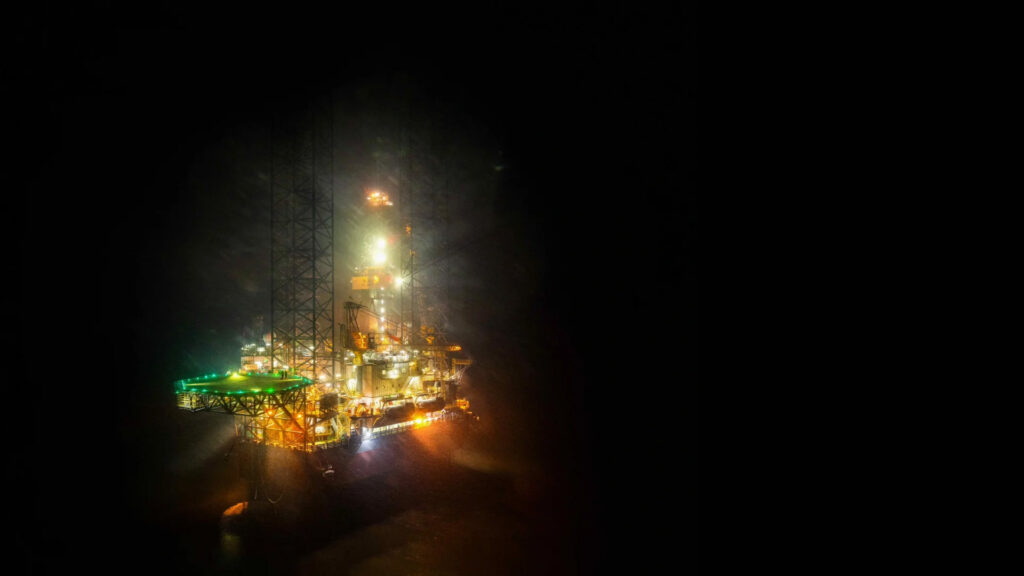
- Long-Range Vessel Warning: Producing clear multi-nautical-mile flashes (typically 3 to 15 NM) so oncoming commercial vessels can adjust their course miles before entering a platform’s exclusion zone.
- Perimeter and Corner Marking (IALA Standards): Defining the physical boundary of a structure. Under IALA Recommendation O-139, main platform obstruction lights display a synchronized yellow flash rhythm (frequently Morse Code “U” –
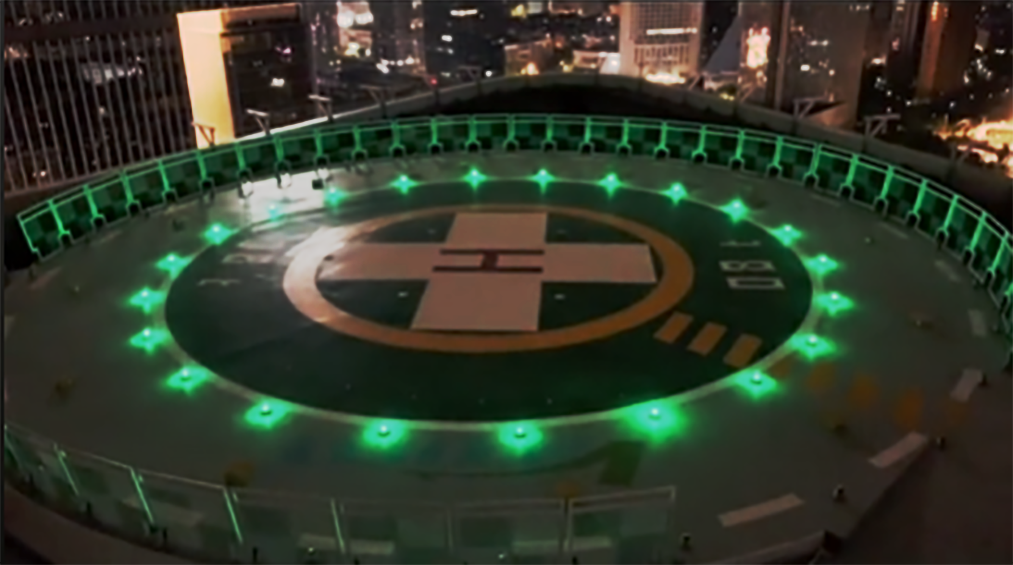
• • —). - Helideck and Access Point Marking: Providing dedicated visibility around boat landings and helipads to support night transfers of crews and supplies.
- Emergency Standby Navigation: Operating as completely self-powered backup fixtures that stay lit even if primary platform generators go dark during an emergency shutdown.
4. Why Offshore Engineers Choose Integrated LED Solar Marine Lights
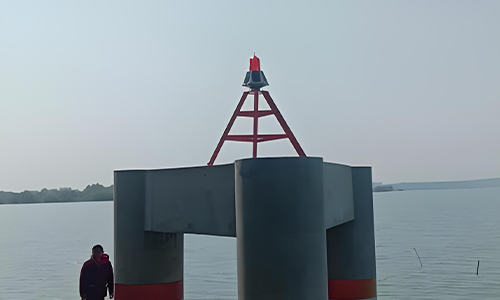
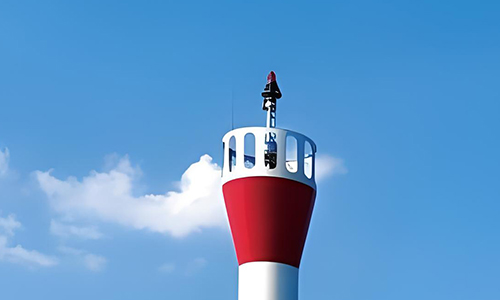
Switching from traditional hardwired marine lanterns to self-contained solar marine lights offers straightforward engineering and financial advantages:
- Eliminates Complex Cable Runs in Hazardous Areas: Running explosion-proof armored conduit across steel grating and through hazardous zones is labor-intensive and expensive. Standalone solar lights integrate the PV module, battery, and controller in a single housing, eliminating exterior wiring.
- Guaranteed Autonomy with MPPT & LiFePO4 Chemistry: Using Maximum Power Point Tracking (MPPT) charge controllers paired with industrial LiFePO4 batteries, modern units easily maintain 15 to 30+ days of continuous night operation during extended overcast or storm conditions.
- Substantial TCO Reduction: Solid-state LED optics (>100,000-hour rated lifespan) combined with maintenance-free battery management eliminate routine bulb changes and cable checks, keeping field maintenance visits to a minimum.
5. Engineering Requirements & Selection Guidelines
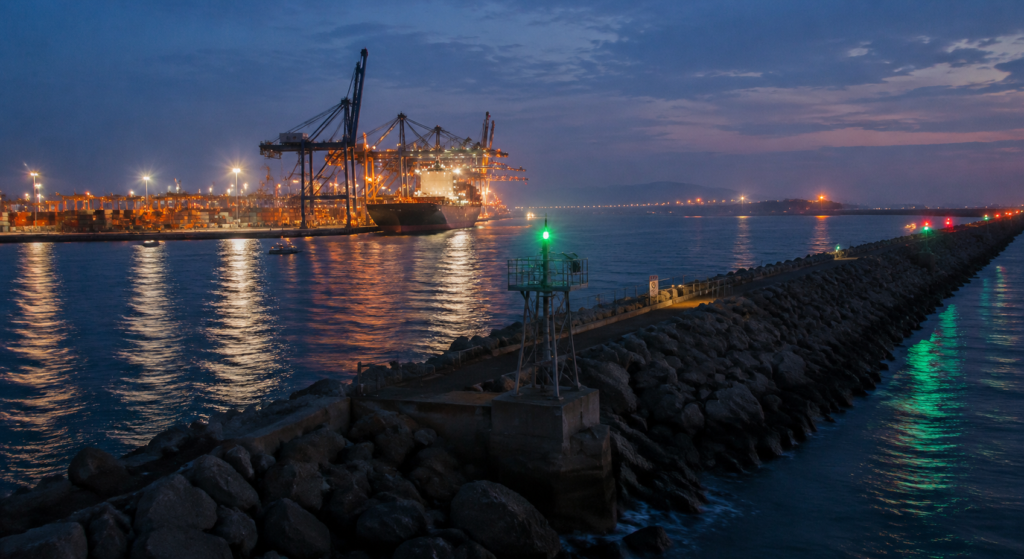
When selecting solar marine lights for offshore installations, we recommend verifying the following core specifications against your asset’s site conditions:
| Specification Category | Offshore Standard | Engineering Impact |
| Ingress Protection | IP68 / NEMA 6P Hermetically Sealed | Prevents sea spray, high-pressure washing, and humidity from penetrating optics or driver electronics. |
| Materials & Coating | 316L Stainless Steel / Anodized Marine-Grade Aluminum / UV PC Lens | Ensures long-term survival against severe C5-M atmospheric corrosion and UV degradation. |
| Hazardous Area Certification | ATEX / IECEx Zone 1 & Zone 2 (Ex d, Ex e, Ex mb) | Prevents internal electrical arcs or heat from igniting ambient hydrocarbon gases. |
| Flashing Synchronization | Integrated GPS Module | Allows multiple perimeter lights across a complex platform or wind array to flash in exact unison. |
| Optical Compliance | IALA Chromaticity & Light Output | Guarantees exact signal colors (Yellow, Red, Green, White) and horizontal beam distribution. |
Field Selection Tip:
Selecting the right optical range, autonomy days, and explosion-proof rating depends on your platform’s geographical location, wave-clearance height, and local maritime authority rules. To review modular system configurations built specifically for offshore platforms, explore our Offshore Platform Lighting Solutions.
6. FAQ about Solar Marine Lights for Offsore
Q1. How Do Solar Marine Navigation Lights Function During Prolonged Periods Of Overcast Or Stormy Weather?
A: Solar marine lanterns use high-efficiency MPPT controllers and heavy-duty LiFePO4 battery banks. This combination stores enough power during normal daylight to run the light for 15 to 30+ consecutive dark or stormy days without direct sunlight.
Q2. Are Solar Powered Marine Lights Safe For Installation On Hazardous Oil And Gas Offshore Platforms?
A: Yes, as long as they carry verified hazardous location certifications. Offshore-rated solar marine lights built for gas zones conform to ATEX and IECEx Zone 1 and Zone 2 standards (Ex d / Ex e / Ex mb) with sealed, non-sparking housings.
Q3. Why Is GPS Flash Synchronization Important For Offshore Marine Lights Systems?
A: When multiple solar lights surround a large platform or wind substation, un-synchronized flashing creates visual clutter for vessel captains at night. Integrated GPS modules lock all fixtures onto the same pulse so every light flashes in precise synchronization.
Q4. What Maintenance Is Required For Self-Contained Solar Marine Lights On Offshore Assets?
A: Because they use solid-state LEDs, sealed IP68 housings, and long-life lithium batteries, these solar powered marine lights require very little upkeep. Routine visual checks and cleaning salt dust off the solar panel during regular platform maintenance trips are usually all that’s needed.
7. Conclusion
Deploying lighting in offshore waters leaves zero margin for error. Self-contained LED solar marine lights offer an unbeatable balance of autonomous reliability, zero grid dependency, IALA compliance, and resistance to harsh salt marine environments. By choosing marine-grade, explosion-proof units that match your platform’s zone classifications, you ensure uninterrupted maritime safety while keeping long-term maintenance costs predictable.