
Bridge Aviation Warning Lights Solution
ICAO/FAA-compliant aviation obstruction lights and IALA-compliant marine clearance lights for long-span, cable-stayed, and suspension bridges — protecting both low-flying aircraft above and vessel traffic passing below, in a single integrated lighting solution.
ICAO Annex 14 Certified · FAA AC 70/7460-1L Compliant · IALA-Compliant Marine Clearance Lights · Salinity & Corrosion Resistant · Cable & Tower Marking Systems · 2-Year Warranty
Bridge Aviation Warning Lights Solution
Bridge Aviation Warning Lights are a mandatory safety requirement for long-span, cable-stayed, and suspension bridges — structures that present a genuinely unique lighting challenge among tall infrastructure: a large bridge must be visible from the air, to protect low-flying aircraft and helicopters near towers and cables, and simultaneously visible from the water, to indicate vertical clearance for vessels navigating beneath the span.
This dual requirement means bridge lighting projects almost always need to satisfy two separate regulatory frameworks at once — aviation obstruction standards (ICAO Annex 14, FAA AC 70/7460-1L) for tower and cable marking, and marine aids-to-navigation standards (IALA recommendations, COLREGs-aligned clearance lighting) for the navigable channel below. For bridge authorities, EPC contractors, and port/waterway agencies, sourcing these from two unrelated suppliers often means mismatched documentation, inconsistent maintenance schedules, and compliance gaps discovered late in the permitting process.
YFFY Lights is one of the few manufacturers producing both aviation obstruction lights and marine navigation lights in-house — giving bridge projects a single source for tower lighting, cable marking, and under-span clearance lighting, backed by unified compliance documentation across both aviation and maritime authorities.
What Lighting Does Your Bridge Need?
| Bridge Element | Compliance Framework | Light Type | Purpose |
| Towers/pylons above 45m | ICAO Annex 14 / FAA AC 70/7460-1L | Low, Medium, or High Intensity (by height) | Aviation obstruction marking, visible to aircraft/helicopters |
| Main cables & suspension wires | ICAO Annex 14 (Type B sequential flash) | Medium/High Intensity, sequenced flash | Marks the cable profile so pilots can judge the full hazard outline, not just the towers |
| Navigable channel / span underside | IALA recommendations, local maritime authority | Bridge clearance / air-draft lights (red/green/white) | Indicates safe vertical and horizontal passage for vessels below |
| Piers & fender structures in water | IALA-compliant marine lighting | Red/green sidelight-style markers | Marks channel edges and pier hazards for approaching vessels |
| Coastal / estuary bridges | Combined ICAO + IALA + salinity durability | Corrosion-resistant dual-purpose fixtures | Full compliance in high-salinity, high-wind marine environments |
Note: For cable-stayed and suspension bridges, aviation authorities may require Type B high-intensity lights to flash in a specific sequence — middle light, then top light, then bottom light — so pilots can visually trace the cable’s full vertical profile, not just its endpoints. This is a bridge-specific requirement not found in most other structure types.
Bridge Aviation Warning Lights Products Solution
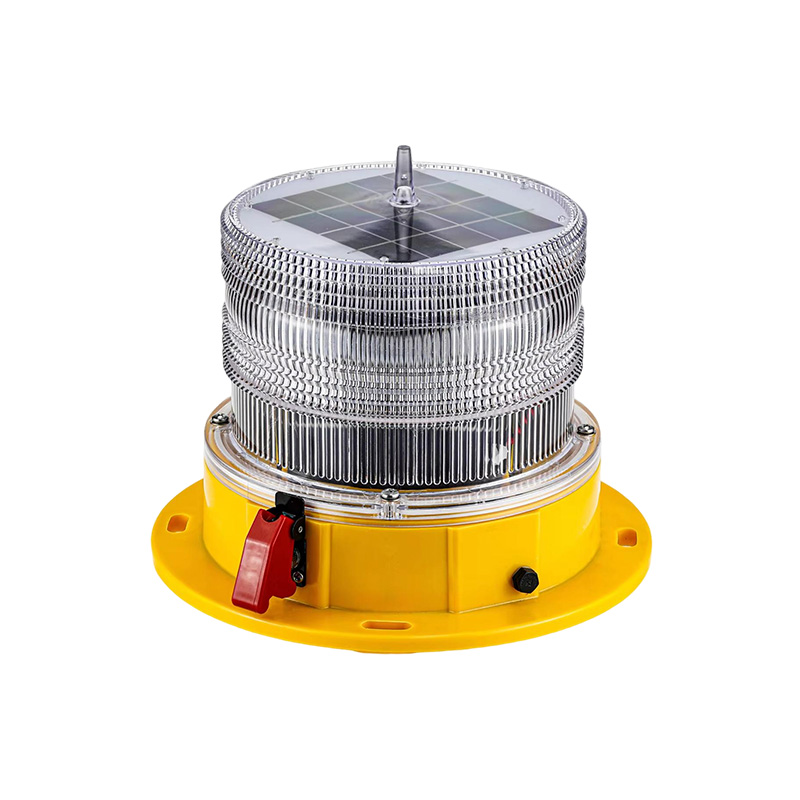
Low, Medium & High Intensity Obstruction Lights mark bridge towers and pylons according to height — following the same ICAO/FAA classification used for telecom towers and buildings, but engineered with salinity-resistant housings for coastal, estuary, and offshore-adjacent bridge sites.
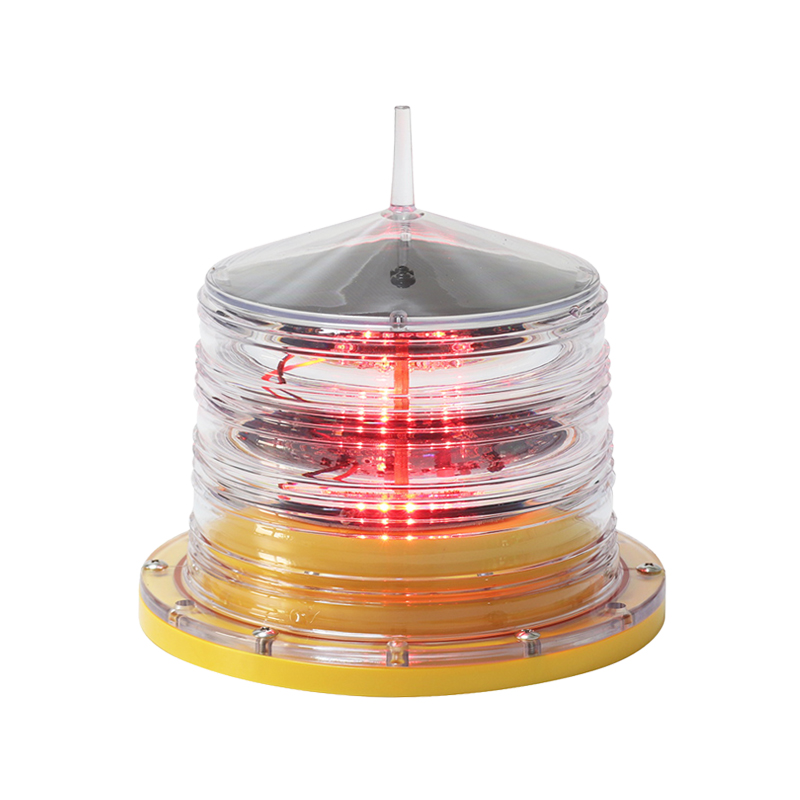
For cable-stayed and suspension bridges, sequenced Type B aviation obstruction lights flash in a defined middle-top-bottom pattern along the cable or support structure, giving pilots a clear visual read of the cable’s full height profile — a critical distinction from simple point-source tower lighting.
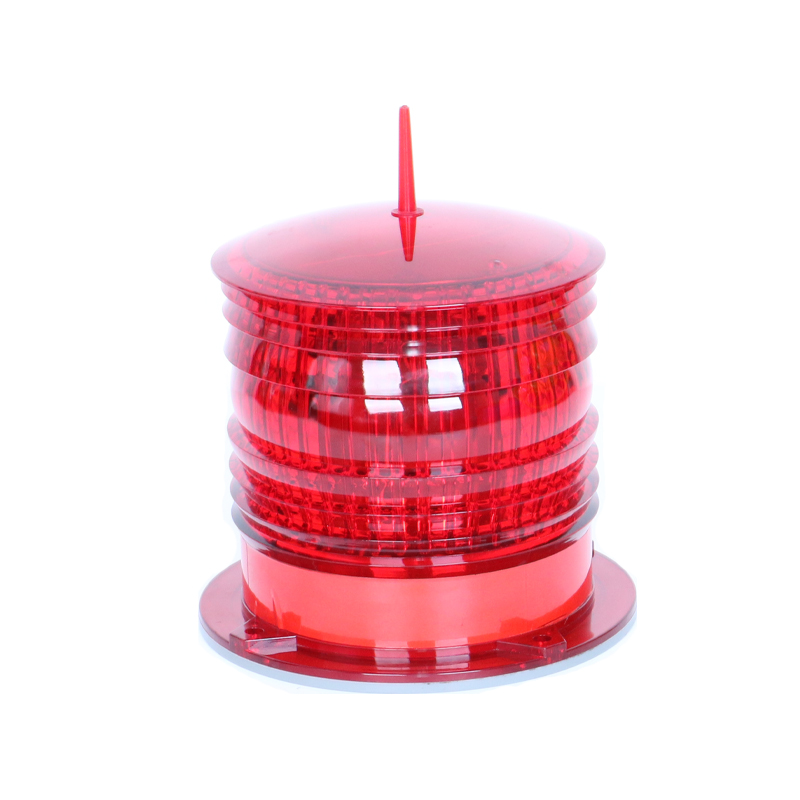
Bridge Clearance Lights, positioned on the span’s underside and support piers, indicate safe vertical and horizontal passage to vessels navigating below — typically using red/green/white configurations aligned with IALA recommendations, ensuring vessel captains can identify the navigable channel clearly at night or in poor visibility.
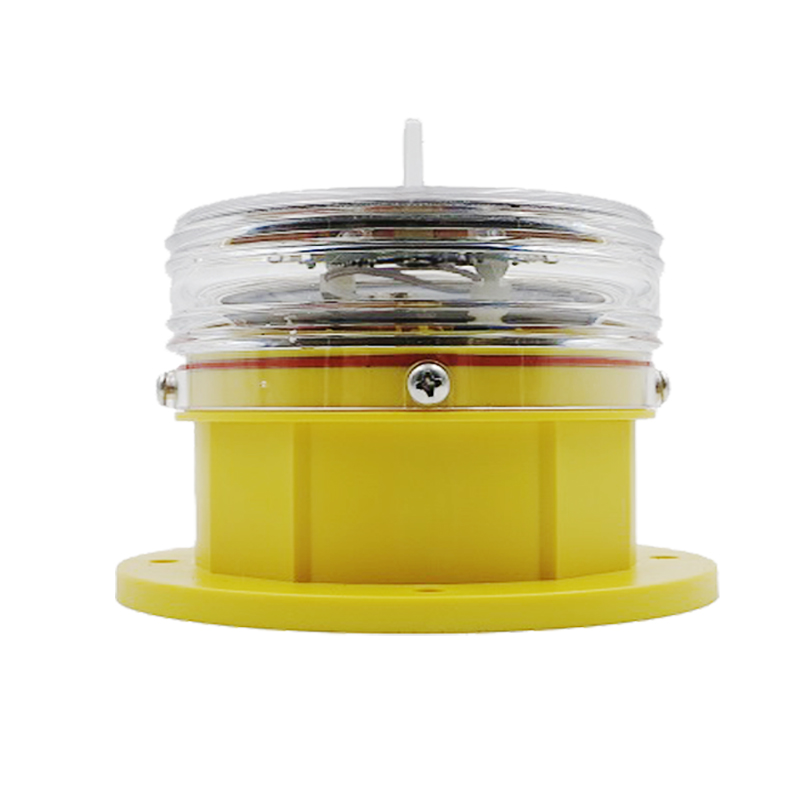
In-water bridge piers and fender systems require IALA-compliant marker lights to warn approaching vessels of fixed obstacles near the navigable channel — a maritime lighting requirement entirely separate from, but often coordinated alongside, the bridge’s aviation obstruction system.
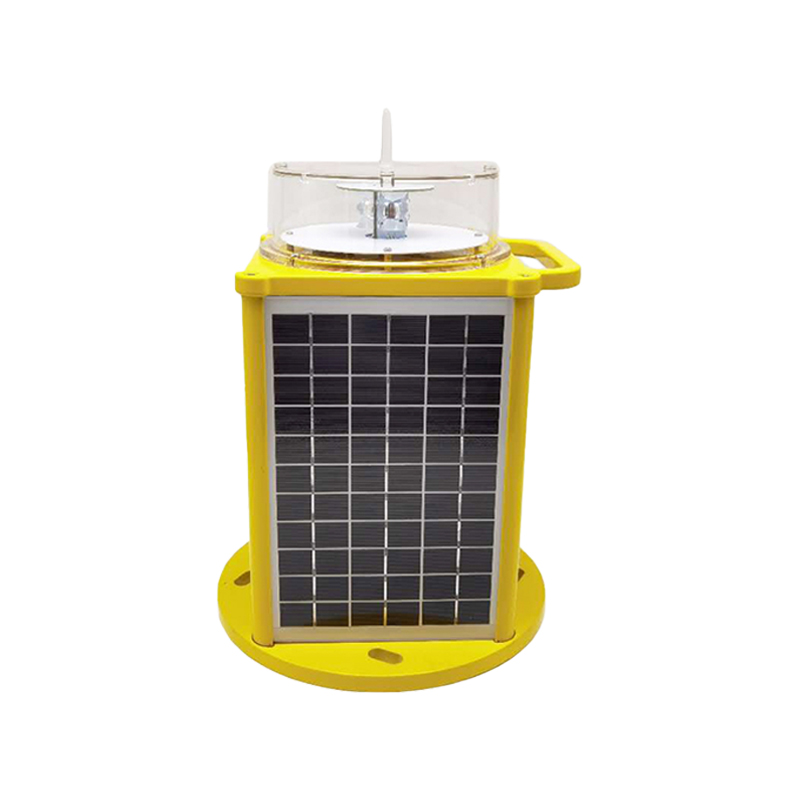
For remote spans, mid-water piers, or sections without convenient grid access, solar-powered obstruction and marine lights provide autonomous operation without extending new electrical runs across the bridge deck or into difficult-to-reach cable and pier locations.

Mid-span towers and cable-mounted lights on major bridges are among the most difficult and costly locations to access for maintenance — often requiring specialized rope-access or crane equipment. YFFY’s dual-lamp automatic backup systems maintain compliance if one lamp fails, significantly reducing emergency high-altitude and over-water maintenance callouts.
Why Bridge Authorities & EPC Contractors Choose YFFY Lights ?
- One Supplier, Two Compliance Frameworks — YFFY manufactures both aviation obstruction lights and marine navigation lights in-house, eliminating the coordination burden of sourcing from separate specialist vendors.
- Factory-Direct Manufacturing — Own R&D and production facility, eliminating trading-company markups on large bridge-lighting orders.
- Engineered for Marine-Adjacent Exposure — Salinity and corrosion-resistant housings suited to coastal, estuary, and offshore-adjacent bridge environments, alongside standard inland bridge applications.
- Full Compliance Documentation — ICAO Annex 14, FAA AC 70/7460-1L, and IALA-aligned product documentation, with photometric test reports and ISO 9001 certification for dual regulatory submittals.
- Reduces Mid-Span Maintenance Risk — Dual-lamp redundancy and fault alarm systems minimize the need for costly rope-access or crane-based emergency repairs on towers and cables.
- 50,000+ Hour LED Lifespan — Reduces long-term maintenance frequency across a bridge’s multi-decade service life.
- Global Project Experience — Supplied aviation and marine lighting for bridge, port, and coastal infrastructure projects across 80+ countries.
- 12-Hour Response, 1–3 Year Warranty — Dedicated project engineers, free replacement for non-human damage during warranty, 24-hour after-sales support.
How We Deliver Your Bridge Lighting Project
- Free Dual-Compliance Consultation — Share your bridge type (cable-stayed, suspension, girder), tower height, span length, and navigable channel details; our engineers confirm the required aviation and marine lighting configuration within 12 hours.
- Custom Quotation & Datasheets — Receive factory pricing, technical drawings, and compliance certificates covering both ICAO/FAA and IALA requirements for tender or regulatory submittals.
- Production & Quality Inspection — Pre-production parts inspection, appearance/function testing before shipment, instant tracking updates for large multi-fixture orders.
- Global Shipping & Installation Support — Products shipped worldwide with installation guidance for tower, cable, pier, and clearance lighting placement.
- After-Sales & Maintenance — 24-hour support, warranty coverage, and maintenance manuals designed to minimize mid-span and over-water access requirements.
Bridge Tower Lighting Compliance Standards
ICAO Annex 14 — Aviation Obstruction Marking
ICAO Annex 14 — Aerodromes governs the aviation obstruction lighting requirements for bridge towers, pylons, and cables, setting intensity, color, and flash-sequence standards so pilots can identify the bridge as a hazard from any approach direction.

FAA AC 70/7460-1L
In the United States, the FAA Advisory Circular 70/7460-1L defines specific tower and cable lighting requirements for bridges subject to FAA determination, including the L-810/L-864/L-865 classification system used across other tall structures.

For the navigable waterway beneath a bridge, IALA (International Association of Marine Aids to Navigation and Lighthouse Authorities) recommendations govern clearance lighting, pier marking, and channel indication — ensuring vessel traffic can safely judge air-draft clearance and channel boundaries, particularly at night or in fog.
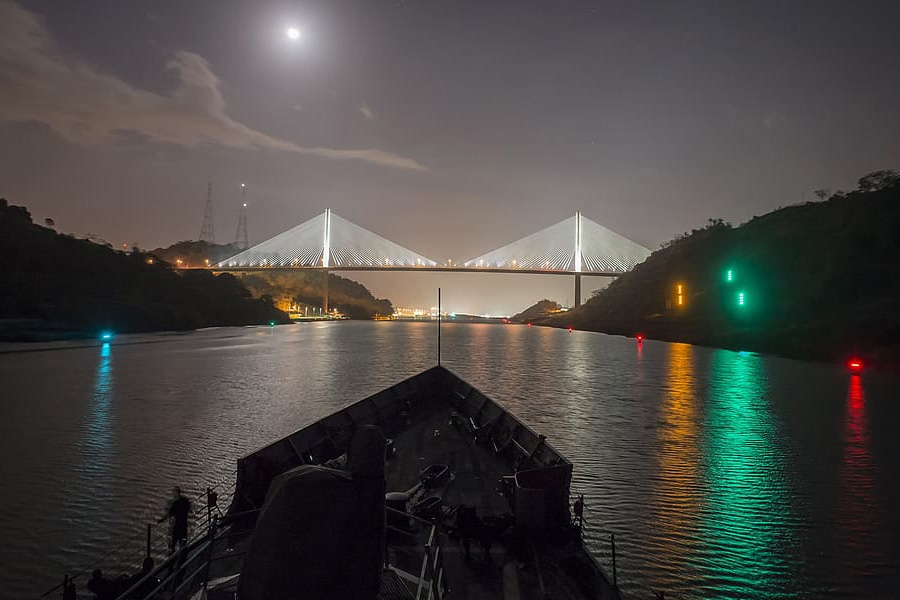
Because bridge projects sit at the intersection of civil aviation and maritime authority jurisdiction, project teams often need to submit compliance documentation to two separate regulatory bodies. YFFY Lights provides unified technical documentation covering both frameworks, helping bridge authorities and EPC contractors avoid delays caused by mismatched or incomplete submittals.

Applications

Cable-Stayed Bridges

Suspension Bridges

Long-Span Coastal & Estuary Crossings

Sea-Crossing Bridges (Cross-Strait / Offshore-Adjacent)

River & Waterway Girder Bridges
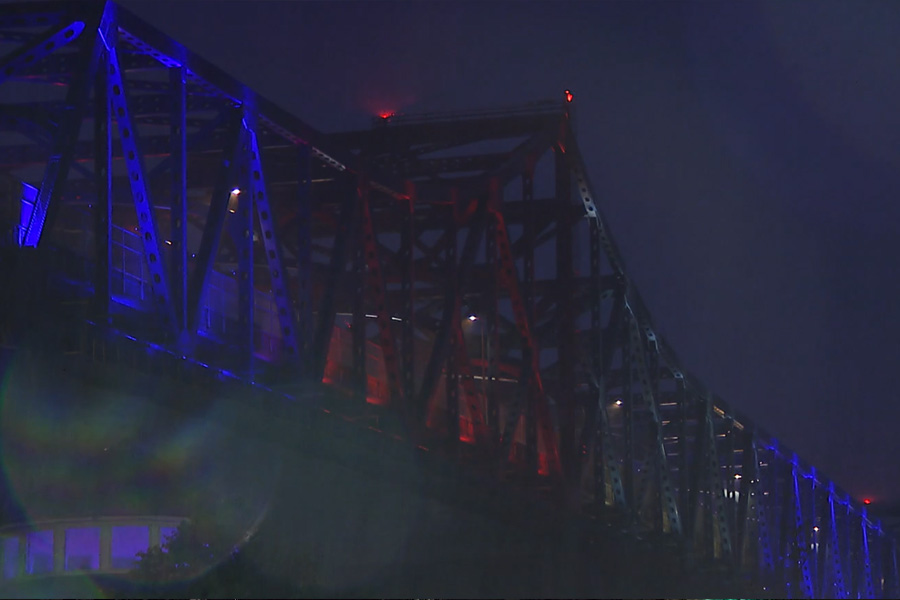
Bridges Near Airports or Low-Altitude Flight Corridors

Bridges Over Commercial Shipping Channels

bridge tower aviation light

bridge obstruction light
Frequently Asked Questions
If your bridge has towers or cables exceeding local aviation height thresholds (commonly 45 meters) and spans a navigable waterway, you likely need both: aviation obstruction lights for towers/cables, and marine clearance lights indicating safe passage for vessels below. Bridges over non-navigable land only, or those short enough to fall below aviation thresholds, may need only one system — our engineers can confirm this for your specific project.
For cable-stayed and suspension bridges, aviation authorities may require Type B high-intensity lights to flash in a middle-top-bottom sequence along the cable or tower structure. This helps pilots visually trace the full vertical profile of the hazard, rather than seeing only isolated point lights at the top and bottom.
Bridge clearance (or air-draft) lights are positioned on the underside of the span and on piers to indicate the navigable channel’s vertical and horizontal boundaries to vessel traffic — governed by IALA marine aids-to-navigation recommendations, not aviation authority standards. They serve a completely different audience (ship captains, not pilots) and typically use different colors and mounting positions than aviation obstruction lights.
Yes, though it’s uncommon — most manufacturers specialize in either aviation obstruction lighting or marine navigation lighting, not both. YFFY Lights produces both product lines in-house, which simplifies procurement, documentation, and long-term maintenance coordination for bridge authorities managing a single asset with dual compliance obligations.
Bridges in coastal, estuary, or offshore-adjacent environments require salinity and corrosion-resistant housings for both their aviation and marine lighting fixtures — standard inland-rated fixtures typically degrade faster under sustained salt spray exposure, increasing long-term maintenance costs.
Yes. YFFY Lights provides ICAO/FAA compliance documentation for aviation obstruction lighting and IALA-aligned documentation for marine clearance and channel lighting, supporting bridge authority tenders, EPC contractor submittals, and dual-agency permitting processes.