“Replacing a light at extreme heights can cost more in labor than the fixture itself! When choosing between single and double aviation obstruction lights, should you opt for the immediate cost-efficiency of a single light, or the ‘install-and-forget’ peace of mind of a double light? Spend 3 minutes with us as we break down the hidden costs and selection secrets of both.”
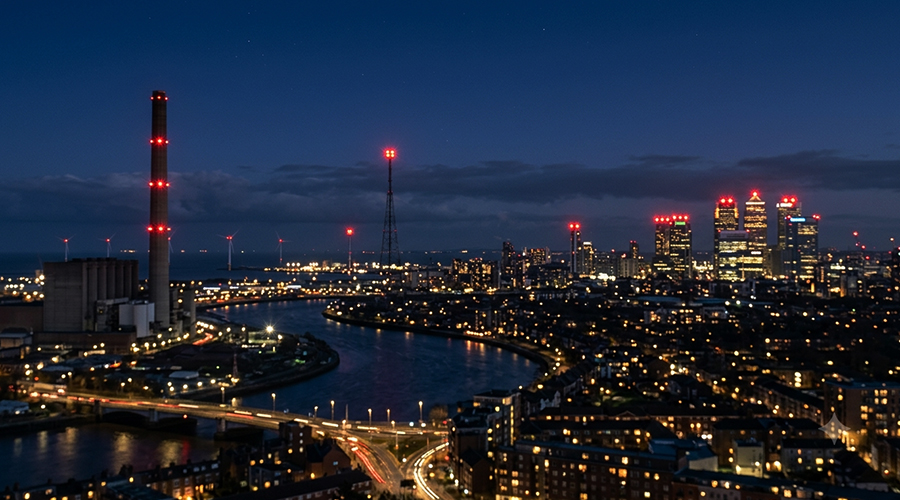
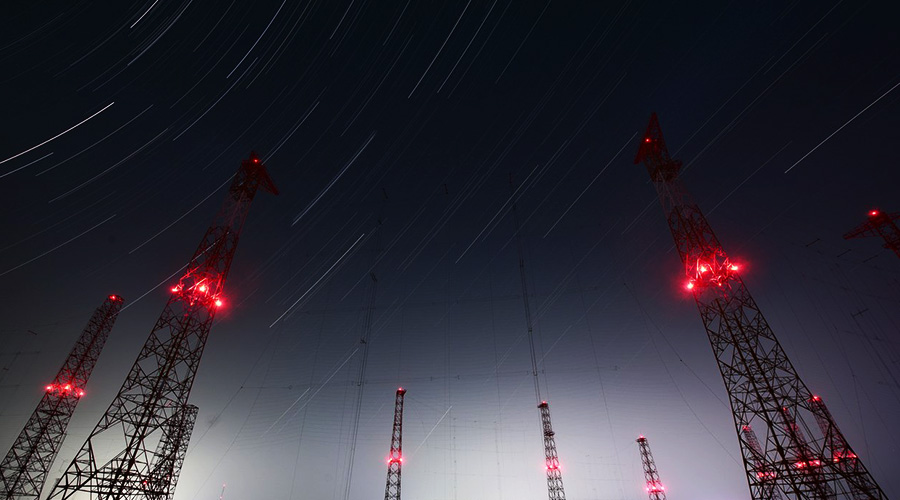
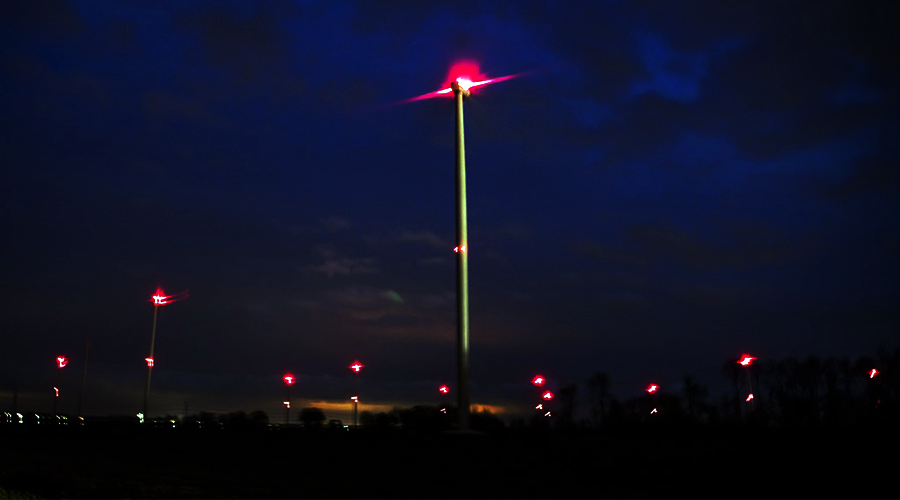
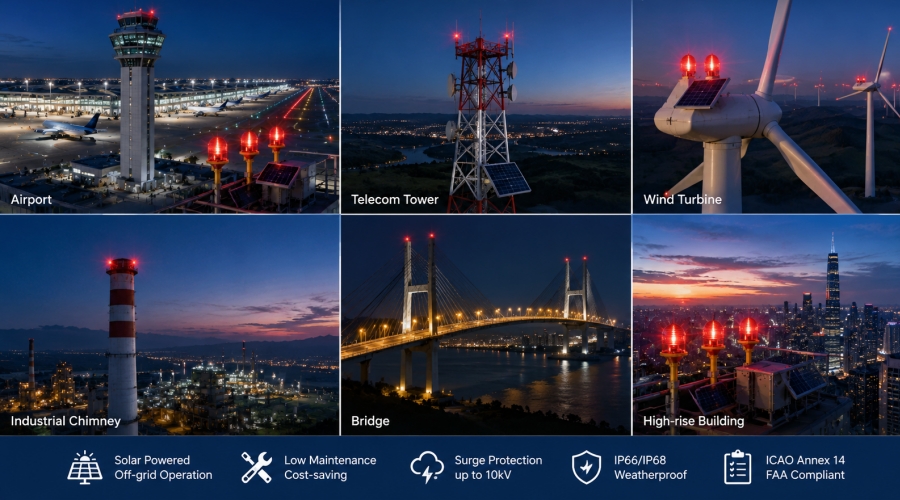
In industries such as construction, power, and telecommunications, the safety of towering structures—such as high-rise buildings, transmission towers, chimneys, and wind turbines—remains a top priority. To guarantee the navigational safety of low-flying aircraft at night and during low-visibility weather, installing Aviation Obstruction Lights (AOL) is a mandatory requirement enforced by the International Civil Aviation Organization (ICAO) and aviation regulatory authorities worldwide.
However, when procurement officers or project managers review their product checklists, a common question arises: “Should my project go with a single-head or a double-head aviation obstruction light?”
This article analyzes the industry characteristics, application advantages, and installation standards of aviation obstruction warning lights. We will deeply dissect the fundamental differences between single and double obstruction lights to help you make the most sensible procurement and configuration decisions.
I. Core Concepts: What Are Single and Double Aviation Obstruction Lights?
To make an informed choice, it is essential to first understand the core structures and working mechanisms of these two types of obstruction warning lights.
1. Single Aviation Obstruction Light
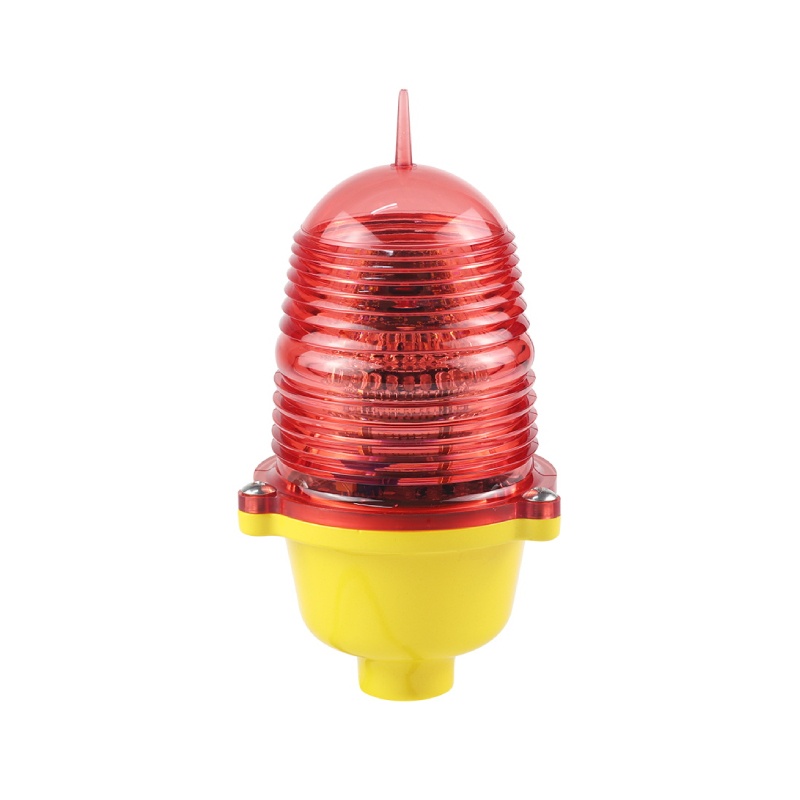
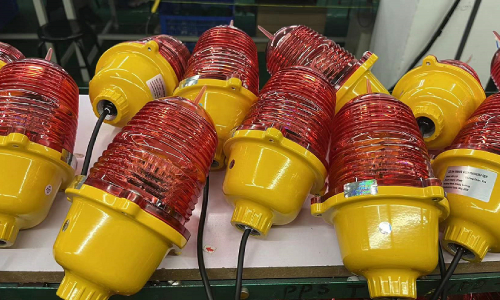
A single-head light features a single light source. The fixture contains only one set of light source and control circuitry, illuminating instantly when powered on. With its streamlined, compact design, it is currently the most basic and widely used warning light on high-rise structures.
2. Double Aviation Obstruction Light
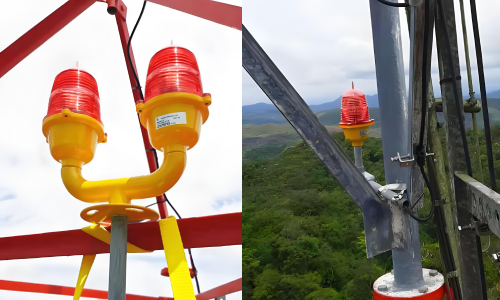
A double-head light consists of two identical light heads mounted on a single base, connected either in parallel or in series. Its core operational logic is an “Active-Standby” (Duty/Standby) system.
- Working Mechanism: Under normal conditions, only the primary (active) light operates (flashing or burning steadily). If the primary light fails due to end-of-life, lightning strikes, or accidental damage, the built-in microcomputer controller instantly detects the fault and seamlessly switches to the backup light within milliseconds. Simultaneously, it can send a fault alarm signal back to the central control room.

II. Industry Application & Comparison: Single vs. Double Obstruction Lights
To help you clearly visualize the technical differences and application scenarios of both options, we have compiled a multi-dimensional comparative analysis:
| Comparison Dimension | Single Aviation Obstruction Light | Double Aviation Obstruction Light |
| Light Source Structure | Single independent light source. | Dual light heads (Active-Standby). |
| High-Altitude Maintenance Cost | High. Once a failure occurs, professional high-altitude technicians must be dispatched immediately for on-site repairs. | Extremely Low. When the primary light fails, the backup seamlessly takes over, allowing you to accumulate minor faults and schedule batch maintenance. |
| Safety & Reliability | Basic safety; no redundant backup. | Extremely High. Features automatic, seamless switching and failure alarm outputs. |
| Initial Equipment Cost | Lower. | Moderate (higher upfront cost than single lights, but eliminates frequent emergency high-altitude labor costs). |
| Recommended Scenarios | Densely installed large obstacle groups, platforms with multiple redundant backups, or low-rise buildings with limited budgets and easy maintenance access. | Remote telecom towers, high industrial chimneys that are difficult to climb, and wind turbine tops where routine maintenance is highly challenging. |
III. Selection Guide: How to Choose Between Single & Double Obstruction Lights?
Deciding between single and double lights is not about which is “fancier”—it is about your project nature and the Total Cost of Ownership (TCO). Here are three industry-recognized criteria to guide your decision:
1. Consider Maintenance Access and High-Altitude Difficulty (The Most Critical Factor)
- Choose Double Lights: If your fixtures must be installed in locations that are extremely difficult to scale—such as 5G signal towers in remote mountainous areas or offshore wind turbines. In these locations, the labor, crane rental, and safety permit costs for a single high-altitude maintenance run can easily end up being several times, or even dozens of times, the price of the warning light itself. By choosing a double aviation warning light, the backup light takes over instantly if the primary fails. This allows you to wait until the next scheduled routine inspection to replace the unit, drastically cutting down on emergency high-altitude labor fees.
- Choose Single Lights: If the obstruction lights are installed on an easily accessible commercial rooftop platform, or on structures equipped with well-designed safety cages and maintenance walkways where an electrician can walk over and replace a bulb within 10 minutes, then single lights offer much better immediate cost-efficiency.
2. Consider Civil Aviation Regulations and Safety Redundancy
For high-profile obstacles where aviation safety is absolutely paramount and zero “regulatory dark periods” can be tolerated—such as high-rises near airport runways or ultra-high-voltage power line crossings over wide rivers—regulatory bodies often mandate double lights or dual-circuit backup systems to ensure the warning lights remain operational under all circumstances.
3. Recommended Top-Sellers
During actual procurement, to ensure reliable quality that complies with international benchmarks like ICAO and FAA standards, buyers typically turn to trusted brands. For example:
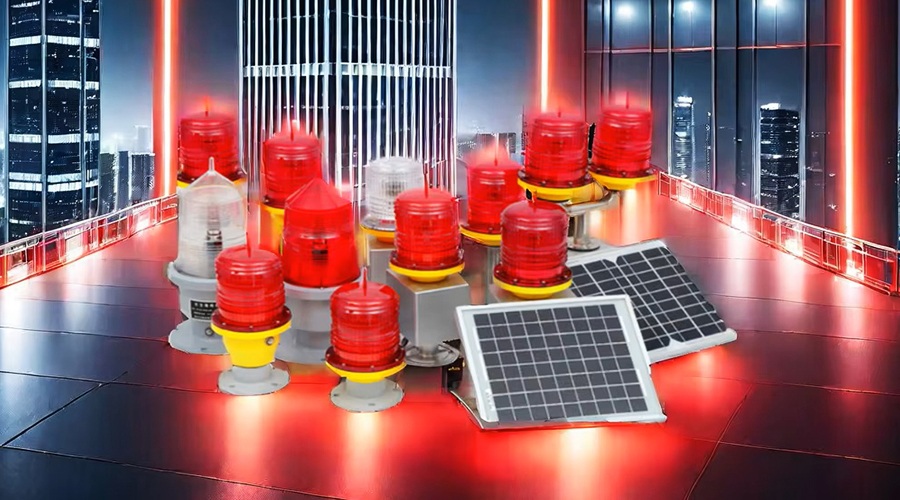
- For projects requiring high-quality, single-head, low-intensity warnings, the market-proven YFFY-LI-B Single Aviation Obstruction Lights is an excellent reference.
- For projects demanding maximum continuity and where maintenance is highly inconvenient, the YFFY-DL10D Double Aviation Obstruction Lights with automatic active-standby switching is highly recommended.
IV. Installation Standards & Critical Precautions
Regardless of whether you choose single or double lights, installing aviation obstruction lights requires strict adherence to local and international aviation standards:
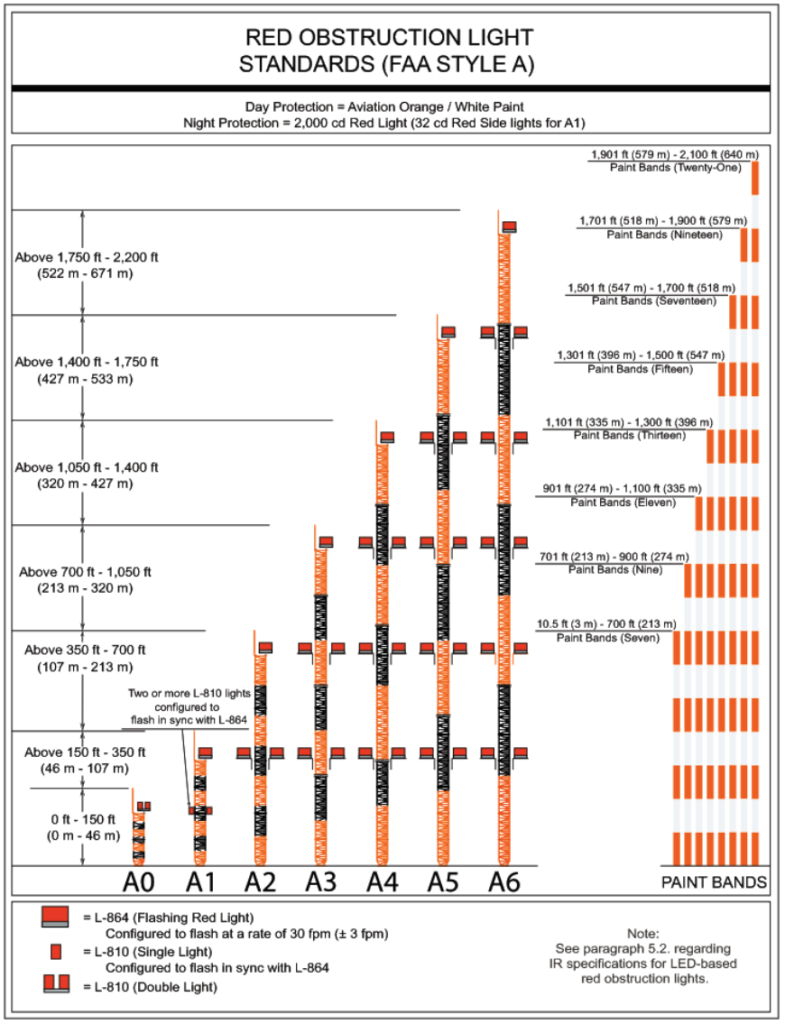
- Height Dictates Intensity:
- Below 45 meters: Typically requires low-intensity, steady-burning red obstruction warning lights (either single or double).
- 45 to 105 meters: Requires medium-intensity Type B flashing red obstruction lights.
- 105 to 150 meters: Requires medium-intensity Type A flashing white obstruction lights.
- Above 150 meters: High-intensity aviation obstruction lights must be deployed.
- Multi-Tier Installation: When a building or tower exceeds 45 meters, lights must be installed in tiers at different heights. These lights must flash in synchronization via a centralized control box to provide pilots with a clear, uninterrupted outline of the structure.
- Lightning Protection & Grounding: Because obstruction lights sit at the absolute highest point of a structure, they are highly vulnerable to lightning strikes. During installation, the metal enclosure or mounting bracket must be securely grounded to the building’s lightning protection grid, and the power cables must be fitted with dedicated surge protective devices (SPDs).
- Eliminate Blind Spots: Lights must be positioned to ensure 360-degree horizontal visibility for pilots from any angle of approach. If one side of the light is obstructed by another structure, additional fixtures must be installed on the outer edges or opposite sides to eliminate blind spots.
V. FAQ: Common Questions on Aviation Obstruction Lights
Q1: Do Both Light Heads of a Double Obstruction Light Light Up At The Same Time?
A: Under normal conditions, no. Double aviation obstruction lights operate on an “Active-Standby” principle. Only the primary light works day-to-day, while the backup light remains dormant. The controller only switches power to the backup light if the primary light fails or goes open-circuit. Having both on simultaneously defeats the purpose of redundancy and shortens the overall lifespan of the system.
Q2: If The Primary Light on a Double Fixture Fails, How Will I Know It Has Switched To The Backup?
A: Modern, high-quality double obstruction lights (such as the YFFY-DL10D) feature integrated failure sensors with an dry contact Alarm Output. You can route this signal line to your central control room or SCADA monitoring system. If an active-standby switch occurs, the system triggers an alert, notifying your maintenance team: “Primary light offline; operating on backup. Please schedule maintenance.”
Q3: Do Aviation Obstruction Lights Need To Stay on 24 Hours a Day?
A: This depends entirely on the light intensity class and settings:
- Low-intensity and Medium-intensity Type B lights (Red): Generally operate only at night, dawn, dusk, or during low-visibility daytime conditions (such as heavy fog or torrential rain). These are typically equipped with a Photocell to automatically turn the lights on or off based on ambient light levels.
- Medium-intensity Type A lights (Flashing White): Under civil aviation codes, to remain highly visible against bright daytime backgrounds, these and high-intensity lights must operate 24 hours a day, automatically adjusting their output intensity between day, twilight, and night modes.
Q4: What Are The Consequences of Failing To Replace a Broken Single-head Light In Time?
A: The consequences are twofold. First is the safety risk: a dark light can lead to devastating helicopter or low-altitude aircraft collisions, resulting in catastrophic loss of life and property. Second is the legal and regulatory risk: operating a tall structure with non-compliant or broken obstruction lights violates aviation laws. If flagged by civil aviation or occupational safety inspectors, the operator faces hefty fines and mandatory shutdown or rectification orders.
Q5: Can High-altitude Aviation Warning Lights Run on Solar Power?
A: Yes, absolutely. Solar-powered aviation obstruction lights (such as YFFY’s robust solar lineup) are ideal for remote power grids, meteorological towers, or temporary construction cranes where laying AC cables is impractical. However, when buying, always evaluate the battery autonomy (whether it can support 5 to 7 consecutive rainy/overcast days) and the solar panel’s resilience against high winds and snow loads.
Q6: Where Should The Control Box For The Aviation Obstruction Lights Be Installed?
A: The control box (which syncs the flashing of multiple lights and manages power distribution) must never be directly exposed to the harsh wind, rain, and lightning at the absolute top of the building. It is best practice to install the control box indoors—such as in an elevator machine room, electrical room, or under a protective canopy within the protective angle of the lightning rod. Shielded cables should then carry the control signals to the rooftop fixtures. This keeps maintenance safe and easy while minimizing lightning damage.
Conclusion
There is no absolute “better” choice between single and double aviation obstruction lights. Single lights represent immediate cost-efficiency, making them perfect for projects with easy maintenance access or high-density layouts. Double lights represent “set-and-forget” security, serving as the gold standard for high-altitude, remote, and mission-critical infrastructure. By factoring future high-altitude labor costs into your initial project planning, you will always make the most strategic and far-sighted investment.