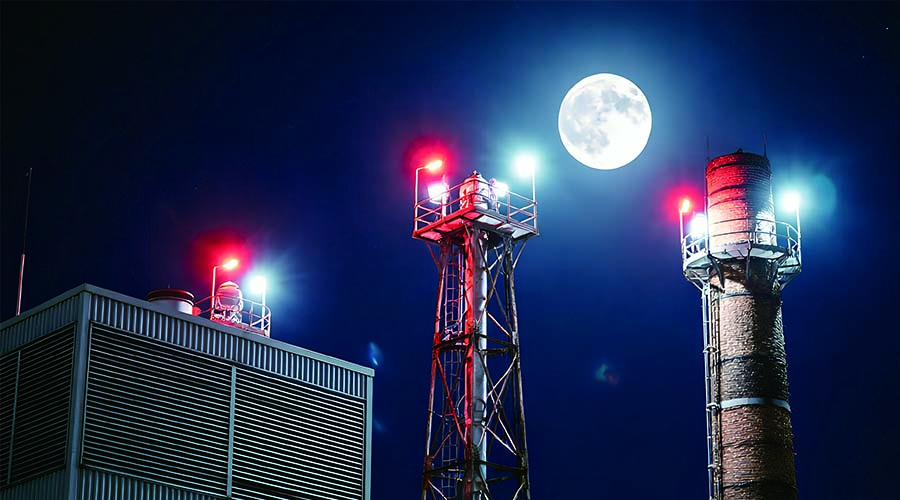
Aviation Lights Selection: High vs. Medium vs. Low Intensity
Confused by FAA regulations? Discover the key differences between High, Medium, Low intensity aviation lights and find the right fit for your structure.

Confused by FAA regulations? Discover the key differences between High, Medium, Low intensity aviation lights and find the right fit for your structure.
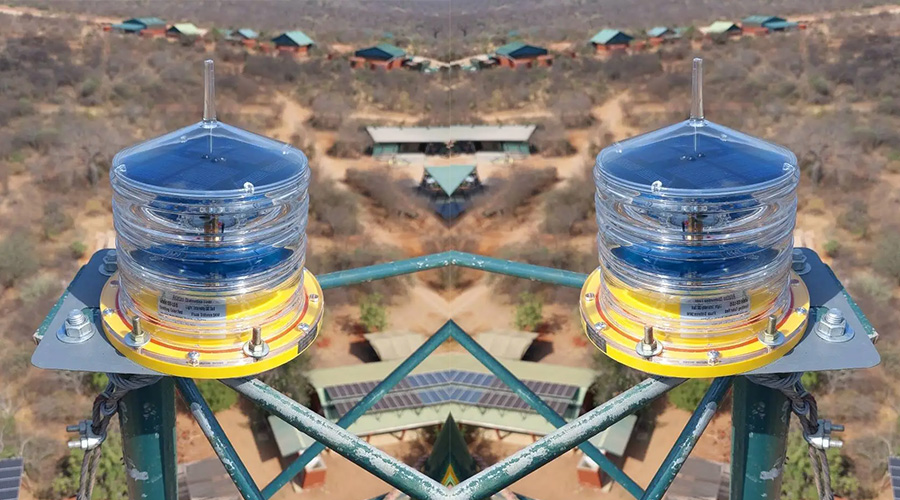
Solar warning lights have been successfully applied to large construction site project in Kenya.They are classified as low-intensity aviation obstruction lights
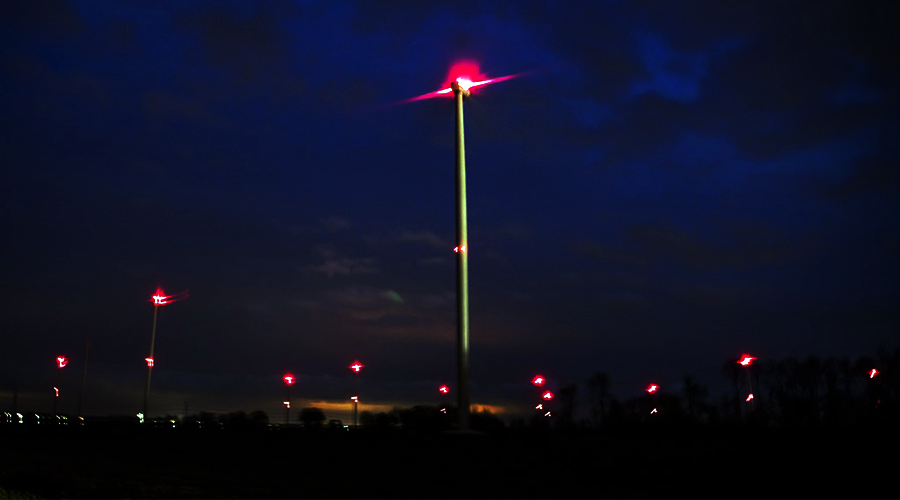
Aviation warning lights: The selection of low and medium-intensity obstruction lights should be based on factors such as altitude, environment, and requirements

Low-intensity obstacle lights installed in the logistics park meets the relevant aviation obstruction warning standards and further improves the safety system.
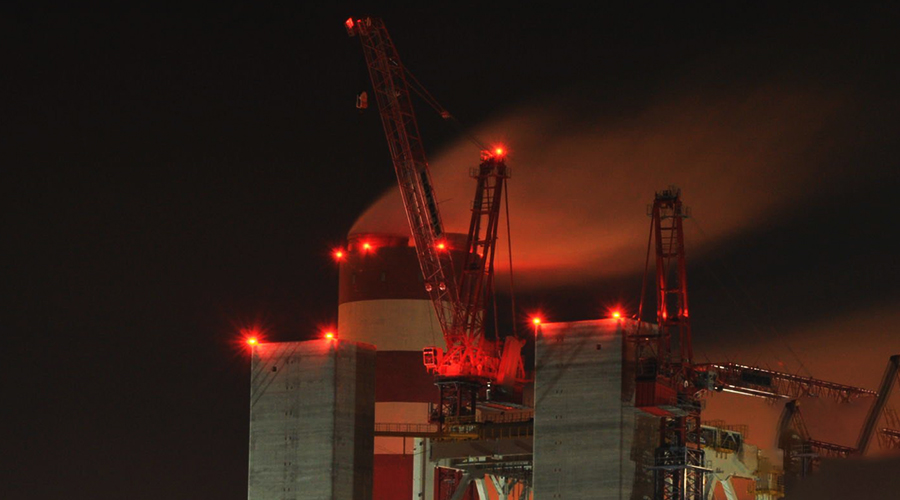
Low-intensity obstruction lights are used to mark obstacles below 150 m, suitable for various low-rise buildings, towers, bridges, chimneys, and other scenarios
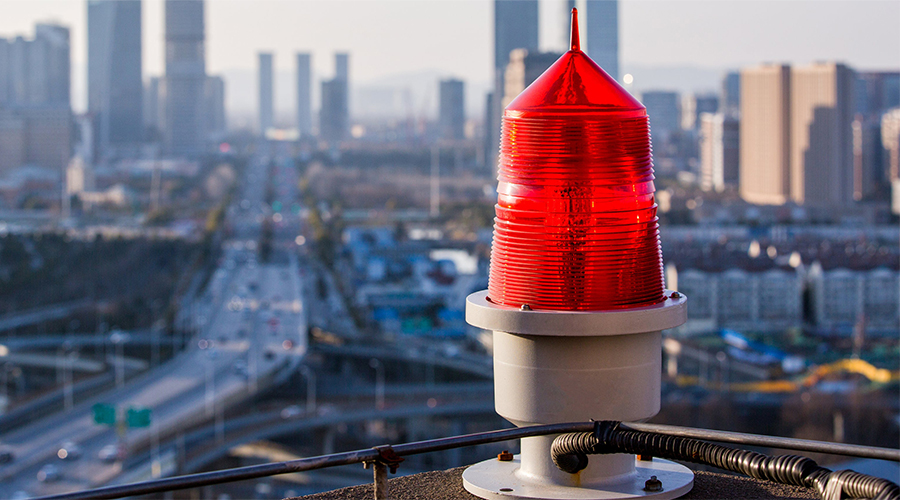
Aircraft Warning Lights are special lights installed on tall buildings, structures, or obstacles to warn pilots of the presence of potential obstacles.
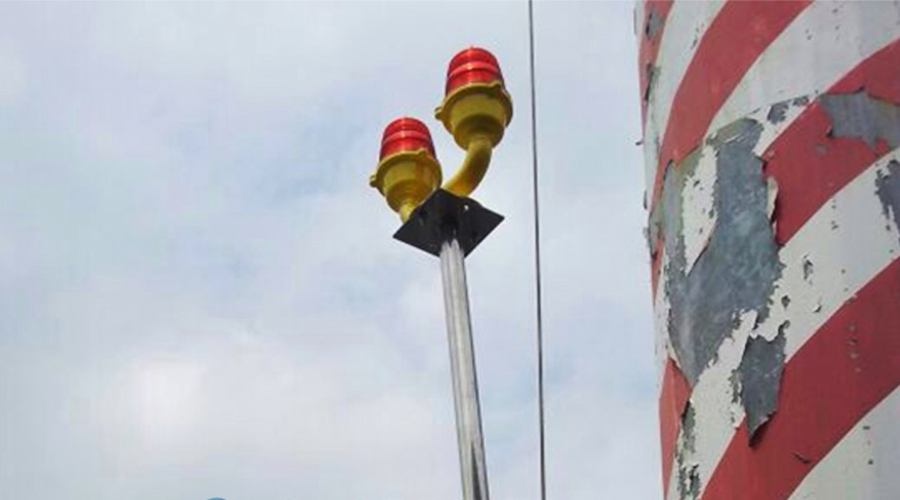
Low-intensity obstruction lights – aircraft lights: provide warnings and safety factors for obstacles such as buildings, communication towers, and chimneys.
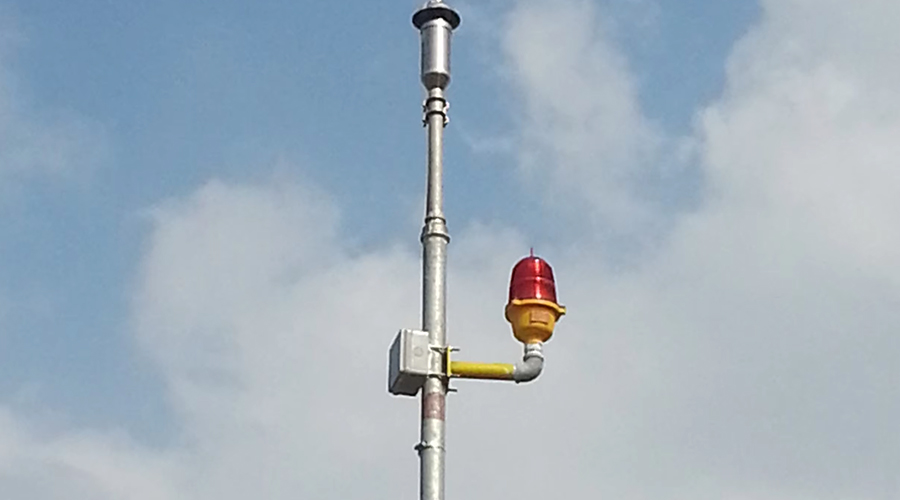
Low-intensity aviation obstruction lights are primarily used to identify obstacles such as buildings and towers, alerting aircraft to ensure aviation safety.

Chimney obstruction lights, also is low-intensity obstruction lights.To identify the presence of buildings or structures to prevent aircraft collisions.