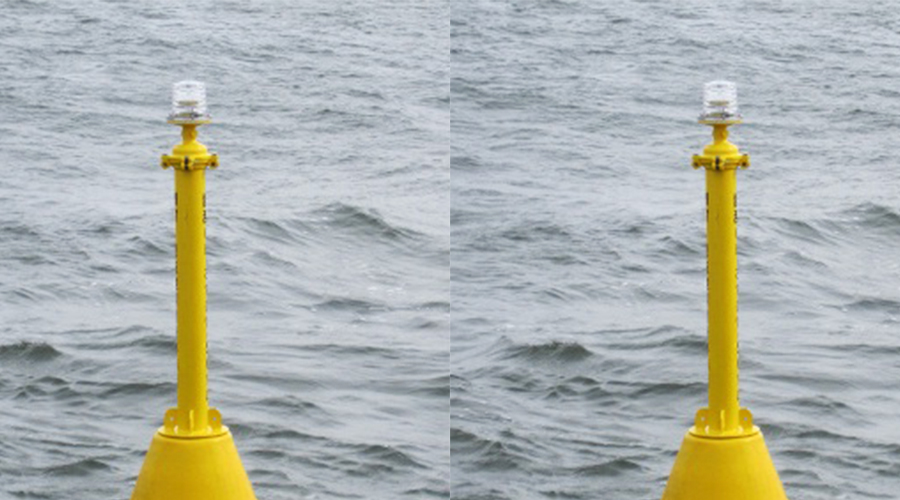
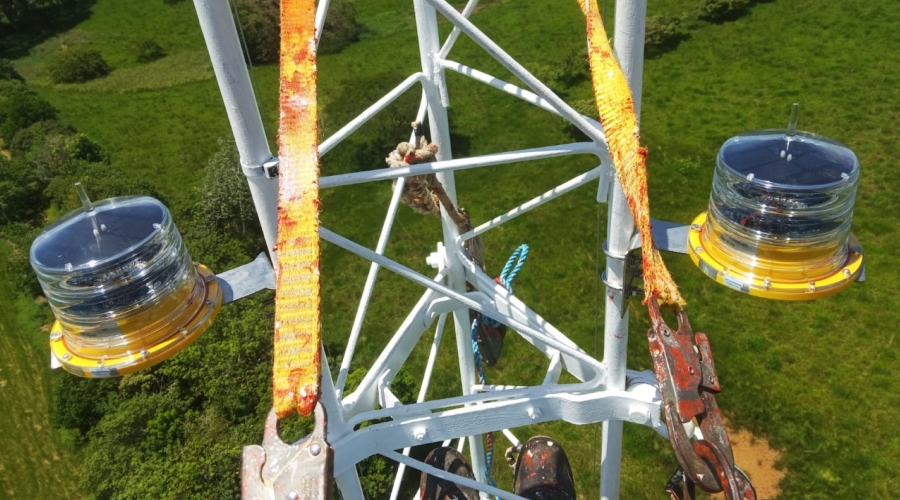
Solar Obstruction Lights were installed on a communication tower at a remote site in Costa Rica, where extensive farmland and native forest areas surround the tower. With dense vegetation and open airspace, the site forms part of the local wireless communication infrastructure and requires appropriate aviation warning lights in accordance with applicable aviation safety regulations to improve tower visibility and reduce the risk of aircraft collisions.
The site is located in a rural area without a stable external power supply. Installing traditional AC-powered tower lights would require additional cable routing, power infrastructure, and on-site construction, increasing both installation costs and project complexity.
The tropical outdoor environment also presented several considerations for long-term operation. The equipment needed to withstand sunlight, rainfall, and ultraviolet exposure while maintaining reliable performance in a location where routine maintenance could be difficult.
To address these conditions, the project used YFFY single-head and dual-head Solar Aviation Obstruction Lights for the communication tower, providing an independent power solution suited to the site’s installation and operating requirements.

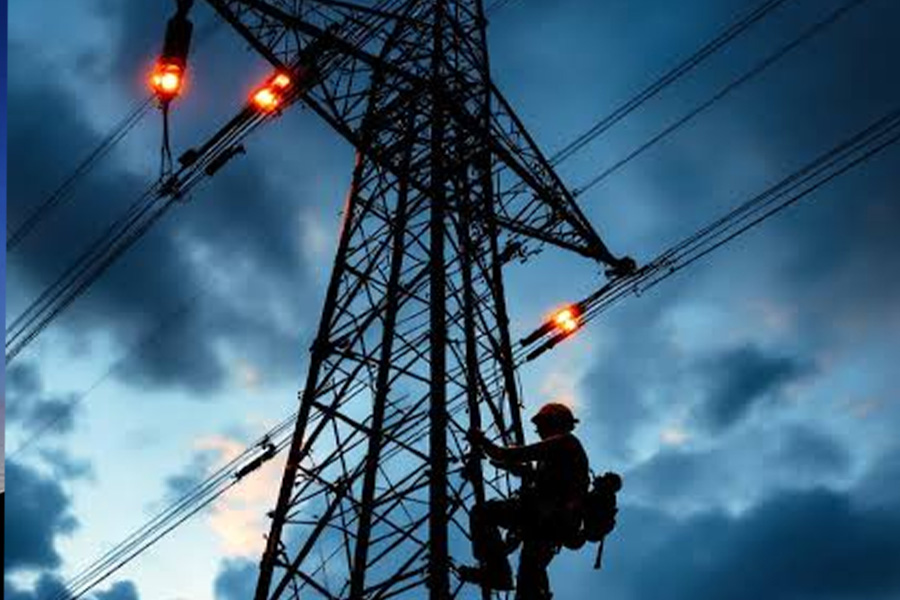
Why Were Solar Obstruction Lights Chosen?
For communication towers in remote areas, obstruction light selection depends not only on the lighting requirements but also on power availability, installation conditions, and long-term maintenance.
At this Costa Rica site, the lack of a stable external power supply made traditional cable-based installations less practical. Solar Obstruction Lights offered an alternative by using solar energy instead of relying on a conventional external power connection.
This approach was particularly suitable for a site surrounded by farmland and native forest, where access to existing electrical infrastructure was limited. With an integrated solar power system, the lights didn‘t require conventional external power cabling, helping simplify installation and reduce the need for additional electrical infrastructure.
Outdoor durability was another important consideration. The equipment needed appropriate protection against water, dust, and UV exposure to support long-term operation in the local environment and help reduce unnecessary maintenance.
Solar Obstruction Lights Used in the Project
Based on the site’s power supply, installation, and operating requirements, the project used two YFFY Lights: a single-head solar obstruction light and a dual-head solar aviation obstruction light.
1. Single-Head Solar Obstruction Light YFFY-LS-G
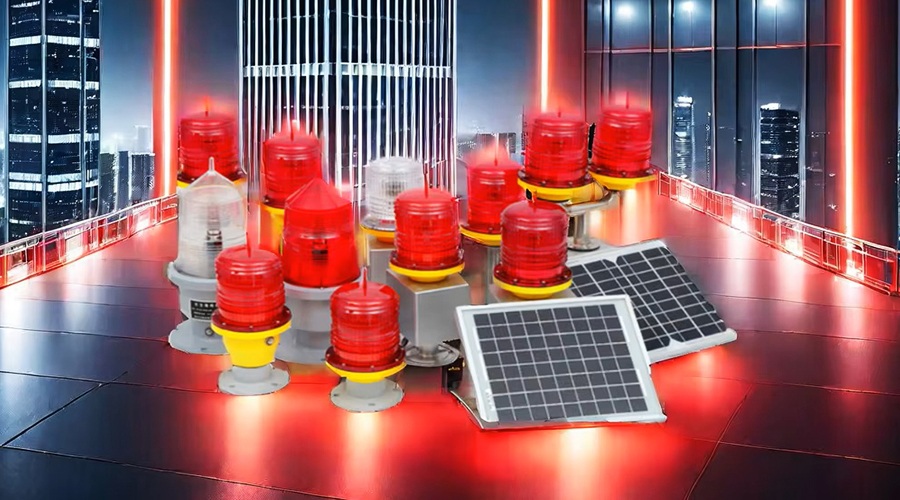
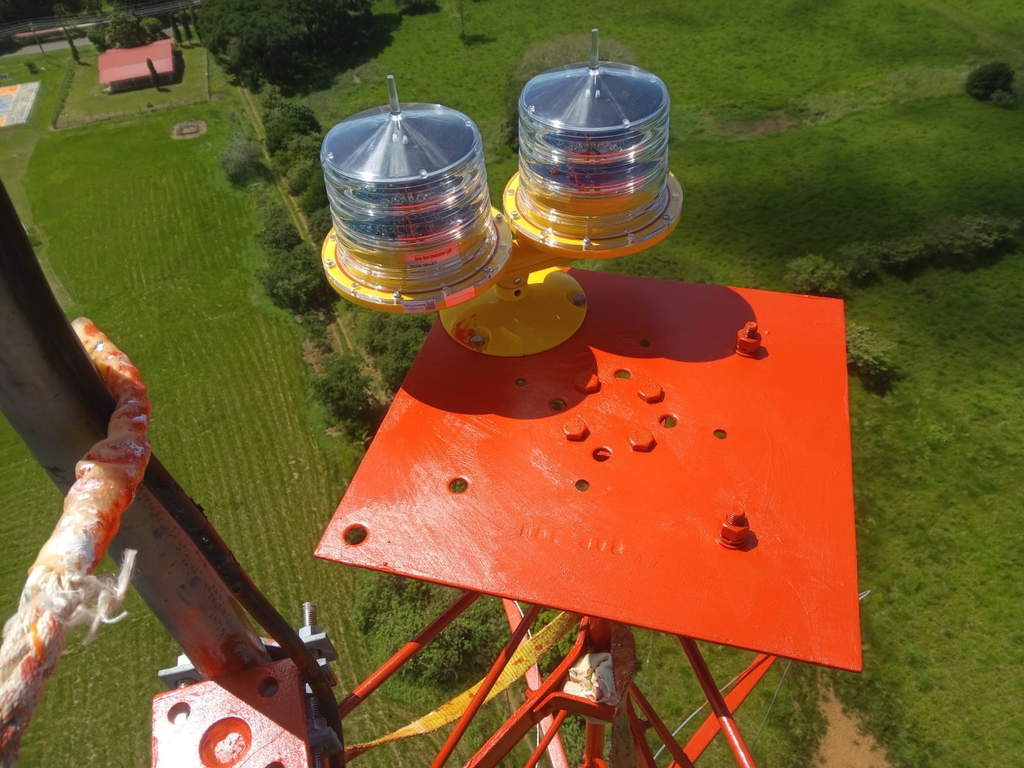
The YFFY-LS-G solar aviation obstruction lights is a single-head solar warning lights with an integrated solar power system. It combines a solar panel, energy storage battery, LED light source, and intelligent light control system in one unit.
For communication towers without a stable external power supply, this design helps reduce cable installation and supports independent outdoor operation. The solar panel charges the battery, while the light control system manages the light’s operation according to ambient light conditions.
By reducing dependence on external electrical infrastructure, this type of Communication Tower Light can simplify installation at remote sites and reduce the need to inspect and maintain external power cables.
2. Dual-Head Solar Aviation Obstruction Light YFFY-LS-T
The project also used the YFFY-LS-T dual-head solar warning lights.
Unlike a single-head configuration, the dual-head design uses a primary-and-backup arrangement with two parallel-connected light heads. If one light head fails, the other can continue operating, reducing the risk of a complete loss of the warning function caused by a single-head failure.
This configuration is particularly relevant to communication towers in remote locations, where access for inspection and repairs may be limited. The additional light head provides another layer of operational protection and helps reduce the impact of an individual light-head failure on the warning system.
However, dual-head redundancy doesn’t mean that the entire unit is immune to failure. Actual system reliability depends on the product design, applicable aviation requirements, and appropriate inspection and maintenance.
Designed for Outdoor Communication Tower Applications
In addition to solar power and light-head configuration, outdoor protection and installation convenience were important considerations for this project.
1. Integrated Solar Power System
The solar obstruction lights integrate a solar panel, energy storage battery, LED light source, and intelligent light control system into a single unit. This arrangement reduces the need for conventional external power cabling and allows the equipment to operate independently of a stable grid connection.
The system uses solar energy to recharge its battery and supply power for normal operation. This makes it suitable for remote communication towers, transmission towers, and other elevated structures where extending an electrical supply can be difficult or costly.
Actual operating autonomy still depends on the solar panel capacity, battery storage, light power consumption, and the number of consecutive cloudy or rainy days. These factors should be evaluated against local sunlight conditions and project requirements.
2. Protection for Long-Term Outdoor Use
The solar warning lights feature a sealed, integrated housing designed to provide protection against water, dust, and UV aging, subject to the product’s specified protection ratings.
For outdoor installations in tropical regions such as Costa Rica, these protective features help address environmental exposure during long-term operation. Equipment selection should consider not only the initial purchase cost but also environmental suitability, specified protection levels, and ongoing maintenance requirements.
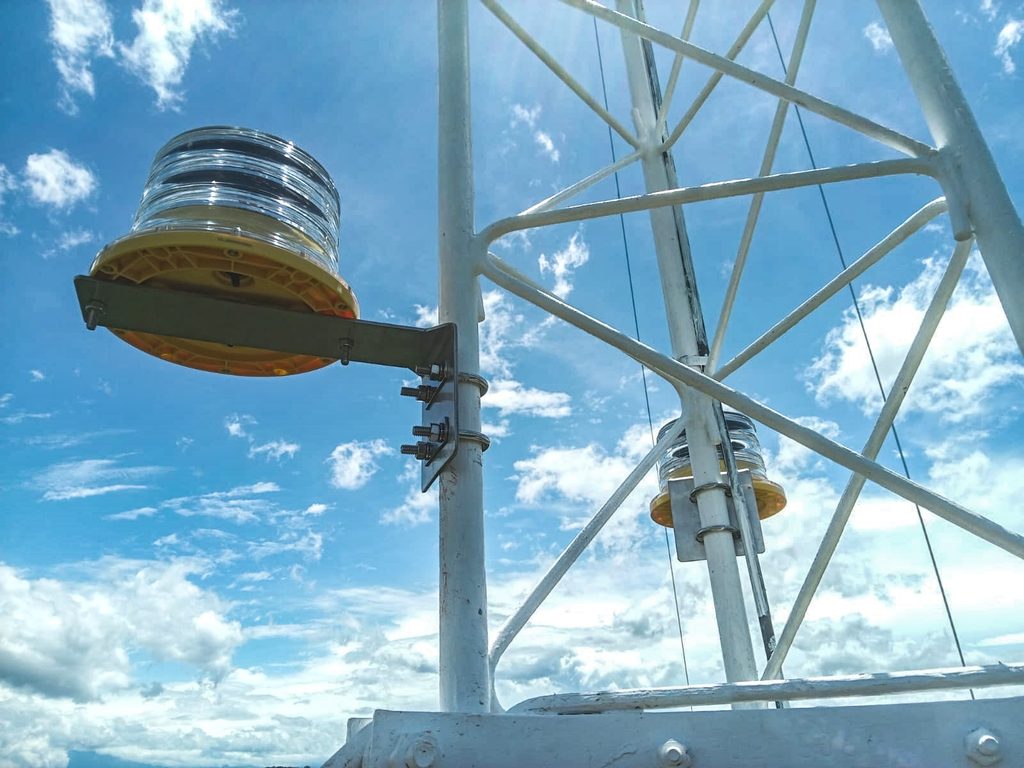
3. Practical Installation on Tower Structures
The project equipment comes with dedicated stainless steel mounting brackets that can be fixed directly to the communication tower’s lattice structure.
A suitable mounting arrangement helps simplify installation and makes subsequent removal or maintenance more convenient. Because aviation obstruction lights are typically installed at elevated positions, bracket compatibility, mounting location, access for inspection, and safe working procedures should all be considered before installation.
Project Results: Less Cabling & Lower Maintenance Requirements
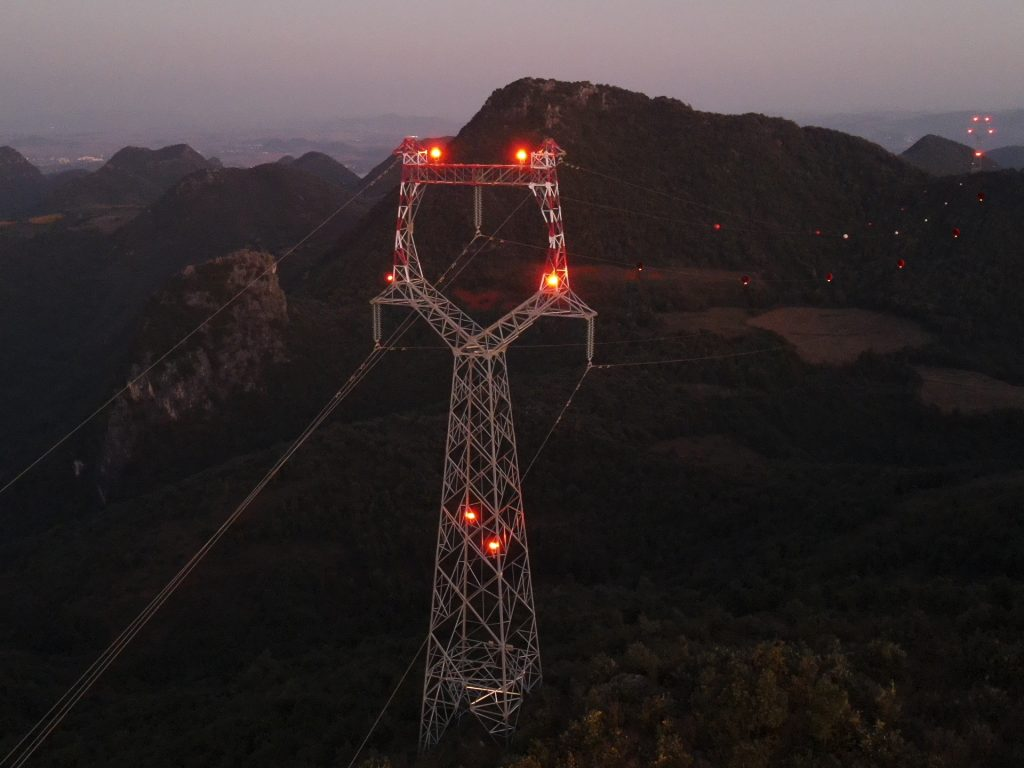
The installation of single-head and dual-head Solar Obstruction Lights was completed successfully at the remote communication tower in Costa Rica. The project addressed the challenges of limited external power availability and the difficulty of installing a conventional cable-based power supply.
Compared with a solution requiring additional power cables and electrical infrastructure, the solar-powered system reduced the amount of cabling and associated electrical work. This helped control overall installation costs and simplify on-site construction.
The dual-head configuration also provided additional operational protection through its primary-and-backup arrangement. Combined with integrated solar power, outdoor protective housing, and practical mounting brackets, the system helped reduce the maintenance burden associated with remote tower installations.
For sites like this one, the value of solar power lies not only in using renewable energy but also in making obstruction light installation more flexible when a stable grid connection is unavailable.
Where Else Can Solar Lights for Communication Tower Applications Be Used?
The Costa Rica project offers a practical reference for other elevated structures in remote locations. Where grid access is limited and conventional cable installation is difficult, Solar Lights for Communication Tower applications can be evaluated according to the structure’s height, aviation warning requirements, and local sunlight conditions.
Potential applications include:
- Remote communication towers: Suitable for evaluating solar-powered warning systems at sites surrounded by farmland, forests, or other areas with limited electrical infrastructure.
- Transmission towers: Solar aviation lights may be considered according to tower height, applicable aviation safety requirements, and available sunlight.
- Observation towers and other elevated structures: Independent solar power may help reduce external cabling where the installation meets the relevant aviation safety requirements.
The required light intensity, flashing characteristics, and installation configuration may vary between projects. The appropriate equipment should therefore be selected according to the applicable aviation regulations and product specifications, rather than relying on the structure type alone.

Conclusion
The communication tower project in Costa Rica demonstrates how solar obstruction lights can be used in remote outdoor environments where a stable external power supply is unavailable.
To address the challenges of conventional power cabling and long-term outdoor operation, the project combined YFFY single-head and dual-head Solar Aviation Obstruction Lights. The solution reduced the need for external electrical infrastructure while providing an additional layer of operational protection through the dual-head configuration.
For communication towers, transmission towers, and similar elevated structures in Latin America and other remote regions, this project provides a practical reference for evaluating solar-powered aviation warning systems.
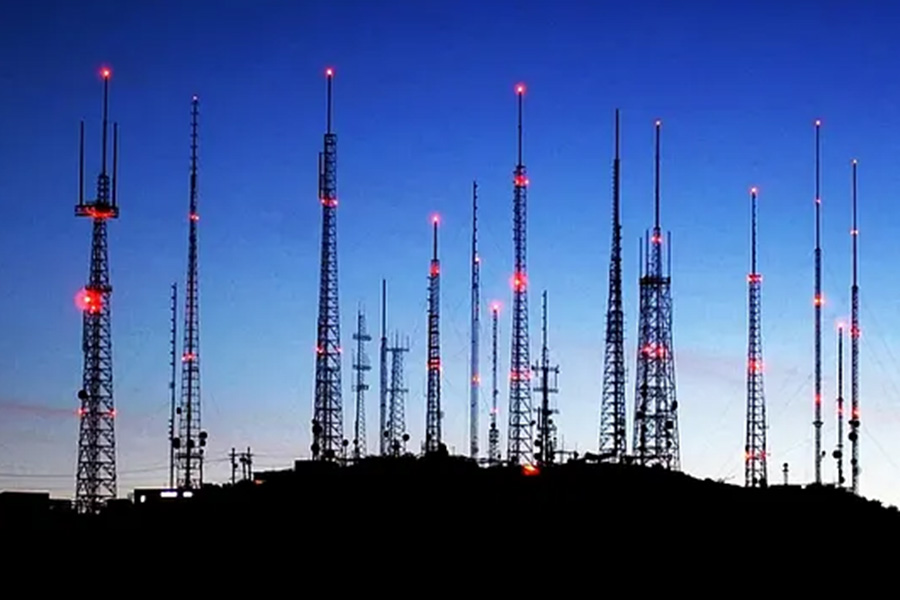
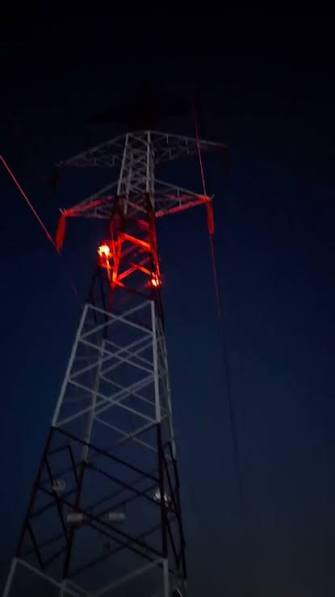
Reference Examples for Aviation Obstruction Light Applications
Frequently Asked Questions
1. Why Are Solar Obstruction Lights Suitable for Remote Communication Towers?
Solar obstruction warning wights can operate without a conventional external power connection, making them suitable for communication towers located far from the electrical grid. They can reduce cable installation, simplify on-site construction, and limit dependence on external power infrastructure. Suitability depends on the required lighting performance, local sunlight conditions, and battery capacity.
2. What Should Be Considered When Selecting Solar Aviation Lights for a Communication Tower?
Key factors include tower height, applicable aviation safety regulations, required light intensity and flashing characteristics, solar panel capacity, battery autonomy, environmental protection, and maintenance access. Local sunlight conditions and the expected duration of cloudy or rainy weather should also be considered to ensure adequate power availability.
3. What Is the Difference Between Single-Head and Dual-Head Solar Aviation Obstruction Lights?
A single-head light uses one light head to provide the required warning signal. A dual-head configuration can provide additional operational protection when designed with a primary-and-backup arrangement. In the Costa Rica project, the two light heads were configured so that one could continue operating if the other failed. The appropriate configuration depends on the product design and project requirements.
4. Can Solar Warning Lights Operate During Consecutive Rainy Days?
Yes, provided the solar power system has sufficient battery capacity and stored energy for the expected period without adequate sunlight. However, operating autonomy varies by model, power consumption, battery capacity, solar panel performance, and local weather conditions. For tropical or rainy locations, these factors should be assessed before selecting the equipment.
5. How Are Solar Obstruction Warning Lights Installed on Communication Towers?
Installation depends on the tower structure and the selected product. In this project, dedicated stainless steel brackets were used to secure the solar lights directly to the tower’s lattice structure. The mounting position, bracket compatibility, required visibility, maintenance access, and applicable installation safety requirements should be checked before work begins.
6. Do Solar Aviation Obstruction Lights Require Regular Maintenance?
Yes. Although solar-powered systems can reduce maintenance associated with external power cables, periodic inspections are still necessary. Checks may include the solar panel surface, battery condition, light operation, mounting brackets, and housing integrity. Inspection frequency should follow the manufacturer’s instructions and applicable aviation safety requirements.
7. Can the Same Solar Obstruction Light Be Used on Communication Towers and Transmission Towers?
Not necessarily. Both applications may benefit from independent solar power, but the required light intensity, flashing characteristics, installation height, and regulatory requirements can differ. Each project should be assessed individually to confirm that the selected Communication Tower Light or transmission tower obstruction light meets the applicable requirements.