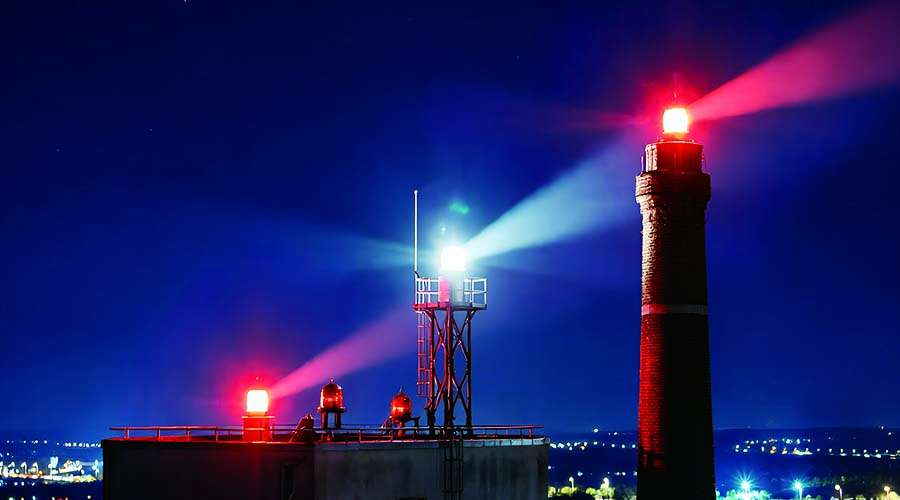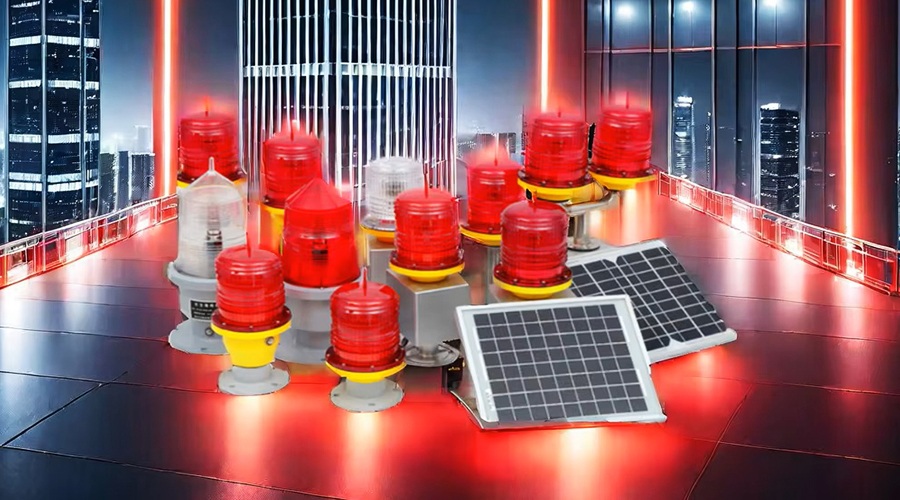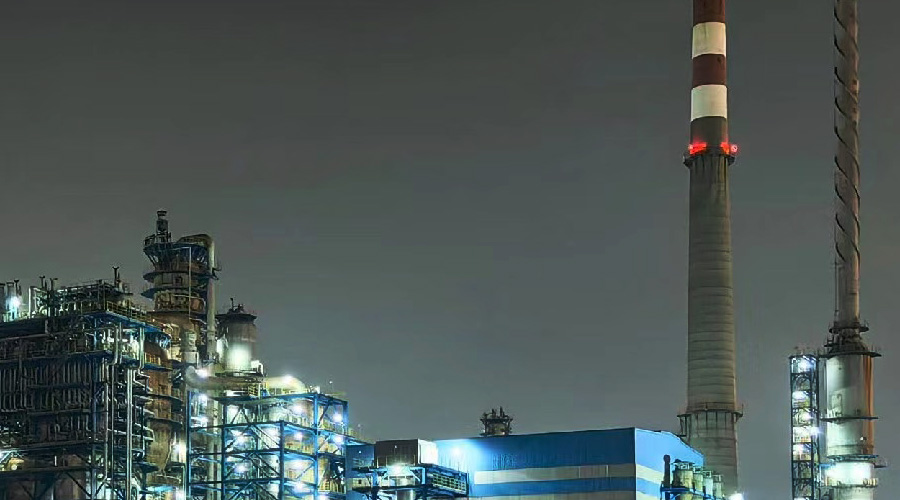
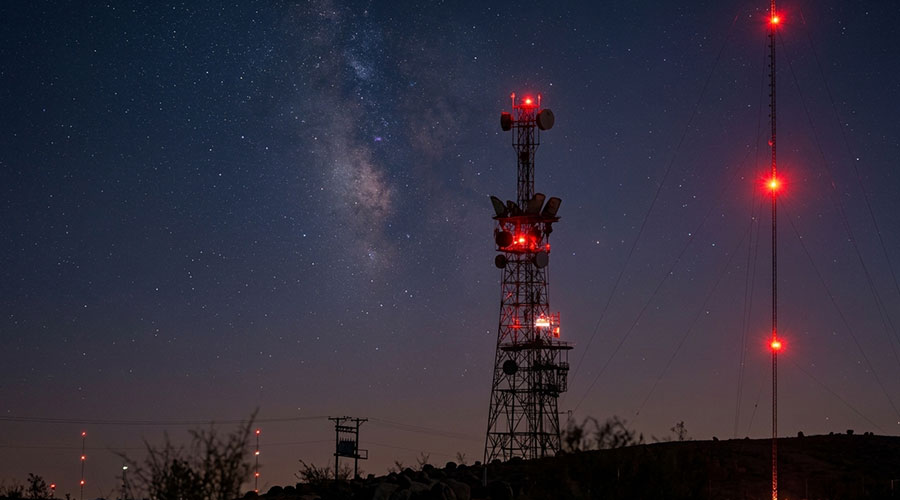
Communication towers are essential infrastructure for modern wireless networks, including mobile communication, broadcasting, microwave transmission, and emergency communication systems. Due to their height and location, many communication towers may become potential obstacles for low-flying aircraft, especially during nighttime or poor visibility conditions. Installing suitable tower obstruction lights helps improve tower visibility and supports aviation safety.
However, choosing the right obstruction light is not simply about selecting the brightest option. The correct lighting solution depends on multiple factors, including tower height, installation environment, power availability, maintenance requirements, and applicable aviation regulations.
This guide explains how to select suitable telecom tower lights, including low, medium, and high intensity options, as well as solar and AC-powered solutions.
Why Do Communication Towers Need Obstruction Lights?
Communication towers are often installed in locations with wide coverage requirements, such as rural areas, mountains, coastal regions, and open land.
Because of their height and structure, these towers may be difficult for aircraft to identify from a distance. Aviation obstruction lights provide visual marking to help pilots recognize potential obstacles and improve flight safety. Common applications include:
- 4G and 5G communication towers
- Radio and broadcasting towers
- Microwave transmission towers
- Telecom monopoles
- Lattice towers
- Emergency communication towers
- Remote monitoring towers
The required type of tower obstruction lights depends on the tower height, location, surrounding environment, and local aviation requirements.


How To Select The Right Obstruction Light For Your Communication Tower Project?
Selecting the correct obstruction light requires evaluating several important factors:
- Tower height
- Required light intensity
- Power supply conditions
- Installation environment
- Maintenance accessibility
- Synchronization and monitoring requirements
A reliable lighting system should match the actual project conditions rather than simply choosing the highest-intensity product.
1. Select The Light Type According To Tower Height
Tower height is one of the most important factors when selecting telecom tower lights. The following table provides a general reference for selecting different types of aviation obstruction lights:
| Tower Height | Recommended Lighting Consideration | Typical Applications |
|---|---|---|
| Below 60m | Low intensity lights are commonly considered | Small communication towers, rooftop antenna structures |
| 60–150m | Low or medium intensity lights depending on project requirements | Standard telecom towers, rural communication towers |
| 150–213m | Medium intensity lights are commonly considered | Tall communication towers, broadcasting towers |
| Above 213 m | Medium or high intensity systems may be required | Very tall towers and special aviation obstacles |
Note: Actual requirements may vary depending on local aviation regulations, tower location, surrounding conditions, and project specifications.
a). Low Intensity Lights
Low intensity lights are generally suitable for lower-height structures where basic nighttime visibility marking is required. Typical applications include:
- Small telecom towers
- Short communication masts
- Rooftop communication structures
For towers where only nighttime marking is required, low intensity obstruction lights can provide an economical and efficient solution.
b). Medium Intensity Lights
Medium intensity obstruction lights are commonly used for taller structures where higher visibility is required. Typical applications include:
- Communication towers
- Radio towers
- Broadcasting structures
- Large industrial structures
Medium intensity systems provide a balance between visibility, energy efficiency, and maintenance requirements.
c). High Intensity Lights
High intensity lights are designed for very tall structures or projects requiring enhanced daytime visibility. They are typically considered for:
- Extremely tall towers
- Large aviation obstacles
- Special infrastructure projects
Because high intensity systems provide stronger light output, they should only be selected when required by applicable aviation regulations or project specifications.
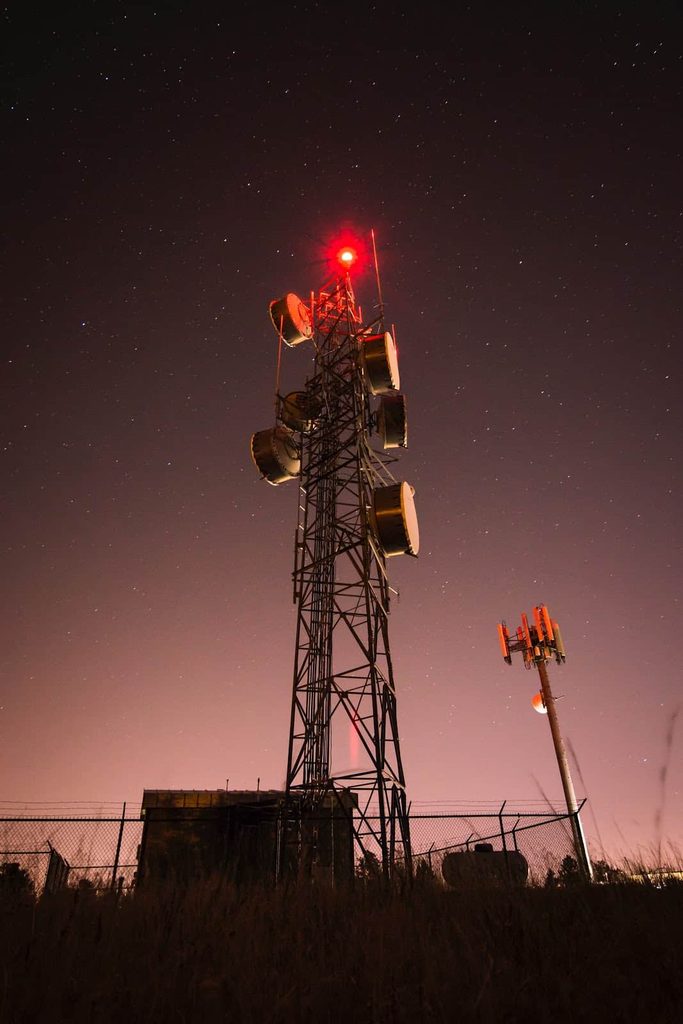
2. Choose Between AC Powered And Solar Powered Obstruction Lights
The power supply method is another important consideration when selecting tower obstruction lights.
a). When To Choose AC Powered Obstruction Lights?
AC-powered systems are suitable when stable electrical power is available. Recommended applications:
- Urban communication towers
- Telecom sites with existing electrical infrastructure
- Industrial facilities
- Permanent tower installations
Advantages:
- Stable power supply
- No battery replacement planning
- Suitable for continuous operation
However, AC-powered systems may require additional cable installation, especially when the tower is located far from existing power sources.
b). When To Choose Solar Obstruction Lights For Towers?
Solar obstruction lights for towers are commonly used for remote or off-grid communication sites. Recommended applications:
- Mountain communication towers
- Rural telecom towers
- Remote monitoring stations
- Areas without reliable grid power
Advantages:
- No external power cable required
- Easier installation
- Lower infrastructure cost
- Suitable for difficult-to-access locations
When selecting solar-powered systems, consider:
- Solar panel capacity
- Battery capacity
- Local sunlight conditions
- Continuous operation during cloudy periods
- Operating temperature range
- Maintenance requirements
A properly designed solar system can provide reliable operation for remote communication towers while reducing installation complexity.

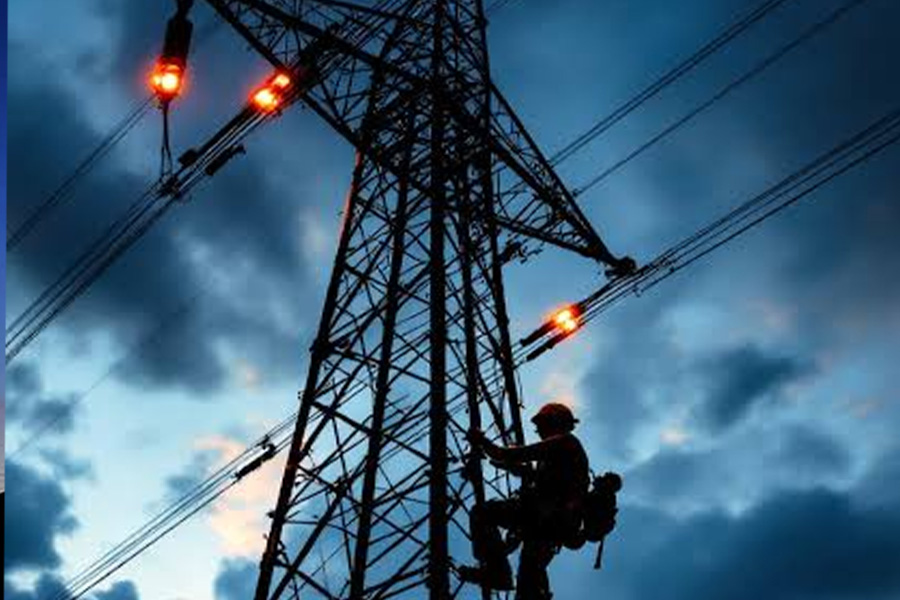
3. Choose Single Or Dual Obstruction Lights According To Reliability Requirements
The number of light heads is another important factor for tower lighting systems.
a). Single Obstruction Lights
Single-head systems are commonly used for:
- Standard tower projects
- Locations with easier maintenance access
- Applications where one lighting unit meets the project requirements
They provide a simple and cost-effective lighting solution.
b). Dual Obstruction Lights
Dual-head obstruction lights provide additional reliability by using two lighting units in one system. They are often considered for:
- Critical communication infrastructure
- Remote towers
- Towers where maintenance access is difficult
Advantages include:
- Additional operational backup
- Reduced impact from individual light failure
- Improved system reliability
For important communication networks, dual systems can help maintain continuous aviation marking performance.
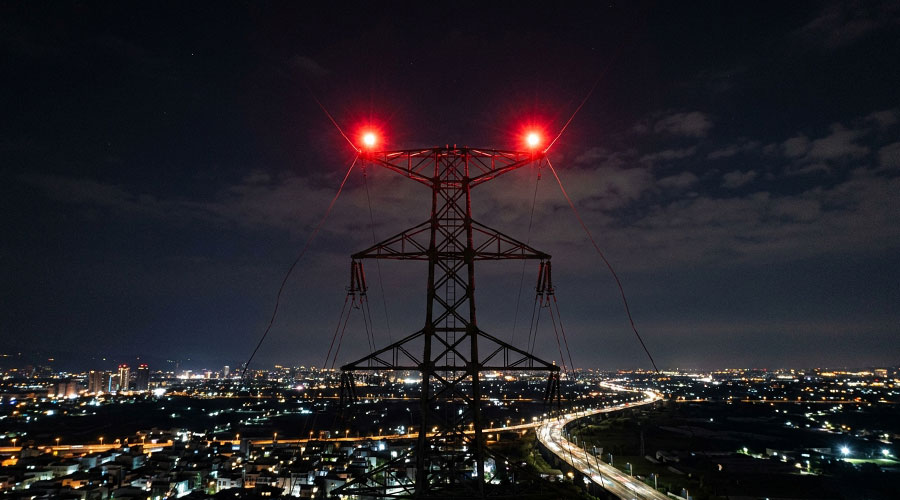
4. Consider Synchronization And Monitoring Requirements
Large communication towers may require multiple lights installed at different levels. In these cases, synchronization can improve system management.
a). GPS Synchronization
GPS synchronization allows multiple aviation obstruction lights to flash at the same time. Benefits include:
- Consistent flashing patterns
- Easier system management
- Improved coordination between multiple lighting levels
b). Remote Monitoring
For remote towers, monitoring functions can help operators identify issues without frequent site visits. Common monitoring features include:
- Light failure alarms
- Battery status monitoring
- System operation feedback
These functions are especially valuable for towers located in mountains, remote areas, or difficult environments.
Selection Checklist Before Purchasing Tower Obstruction Lights
Before requesting a quotation, prepare the following information:
| Required Information | Details |
|---|---|
| Tower height | Total structure height |
| Tower type | Lattice tower, monopole, guyed tower, etc. |
| Installation location | Urban, rural, mountain, offshore, etc. |
| Power supply | AC available or off-grid |
| Light requirement | Low, medium, or high intensity |
| Configuration | Single or dual light |
| Flashing requirement | Required flash pattern |
| Synchronization | GPS or other synchronization needs |
| Monitoring | Remote monitoring requirements |
| Regulations | Applicable aviation requirements |
Providing accurate project information helps suppliers recommend the correct aviation obstacle light solution.
YFFY Telecom Tower Lighting Solutions
YFFY provides different telecom tower lights solutions for communication and aviation safety applications, including:
- Low intensity obstruction lights
- Medium intensity obstruction lights
- High intensity obstruction lights
- Solar-powered obstruction lights
- AC-powered obstruction lights
- Single and dual configurations
For remote communication towers without convenient grid power, solar obstruction lights for towers can provide an independent lighting solution. For large or critical tower projects, synchronized and monitored lighting systems can also be considered.
Conclusion
Choosing the right tower obstruction lights requires a complete evaluation of tower height, lighting intensity, power supply, installation environment, and maintenance requirements. For communication towers:
- Lower structures may commonly use low intensity lights.
- Taller towers may require medium intensity solutions.
- Very tall structures may require high intensity systems.
- Remote locations often benefit from solar-powered solutions.
- Critical infrastructure may require dual lights and monitoring functions.
By selecting the right lighting system at the beginning of the project, tower owners and contractors can improve reliability, reduce maintenance challenges, and ensure better aviation visibility.
Frequently Asked Questions
1. What Type Of Obstruction Light Is Used For Communication Towers?
The required obstruction light depends on tower height, location, and applicable aviation requirements. Common options include low intensity lights, medium intensity lights, and high intensity lights.
2. Can Solar Obstruction Lights Be Used For Remote Communication Towers?
Yes. Solar obstruction lights for towers are commonly used in remote locations where AC power is unavailable or difficult to install.
3. How Do I Choose Between Low And Medium Intensity Lights?
The choice depends mainly on tower height, aviation requirements, and project specifications. Low intensity lights are commonly used for lower structures, while medium intensity lights are often selected for taller towers requiring stronger visibility.
4. When Should I Use Dual Obstruction Lights?
Dual obstruction lights are recommended for critical towers, remote installations, or projects where additional reliability and backup lighting performance are required.
5. Do Communication Tower Lights Need GPS Synchronization?
GPS synchronization is useful when multiple obstruction lights are installed on the same tower or across multiple structures. It helps maintain consistent flashing patterns and simplifies system management.
6. Should I Choose Solar Or AC Powered Tower Obstruction Lights?
AC-powered lights are suitable when stable electricity is available. Solar obstruction lights are often preferred for remote or off-grid communication towers where cable installation is difficult.
7. What Information Is Needed Before Selecting Telecom Tower Lights?
Important information includes tower height, tower type, installation location, available power supply, required light intensity, configuration, synchronization requirements, and local aviation regulations.