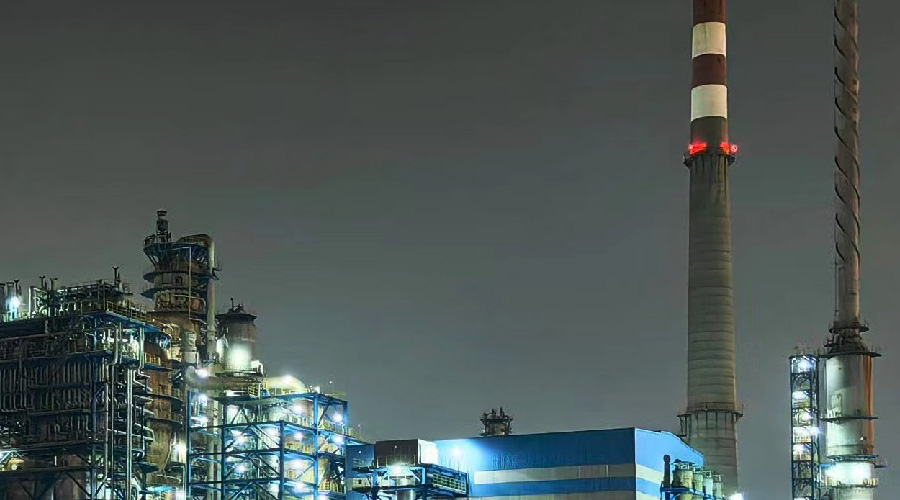
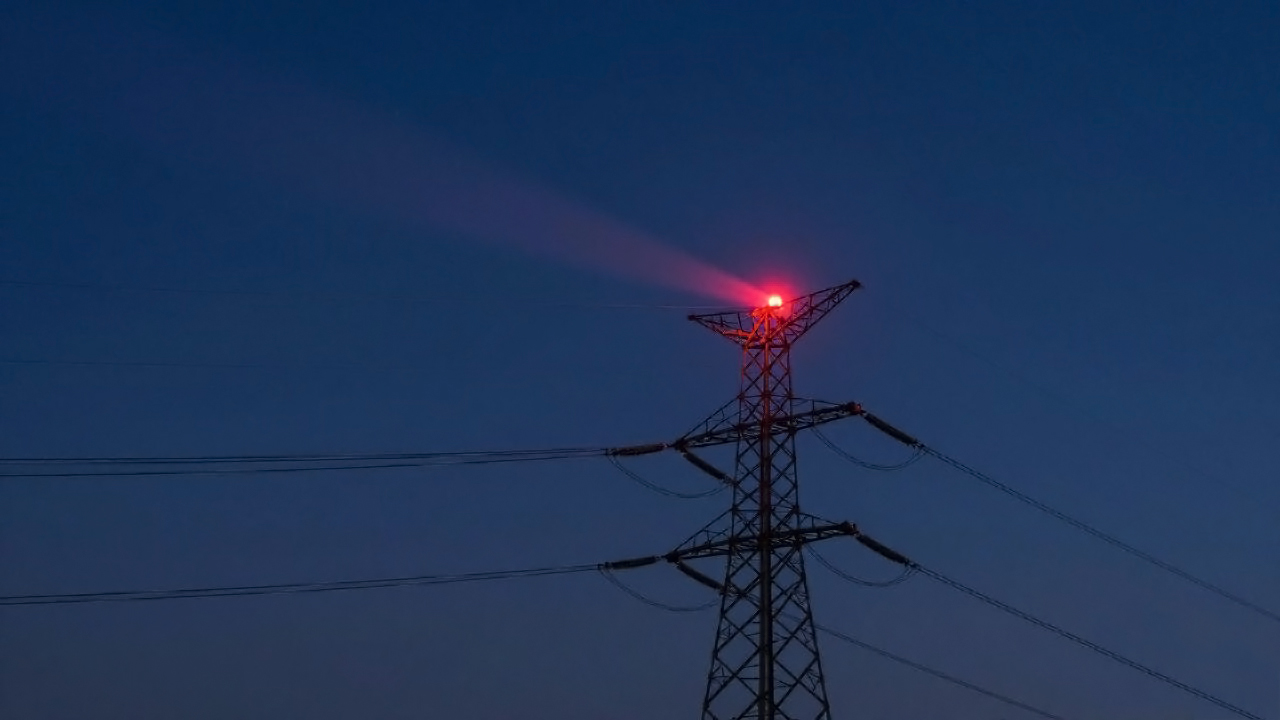
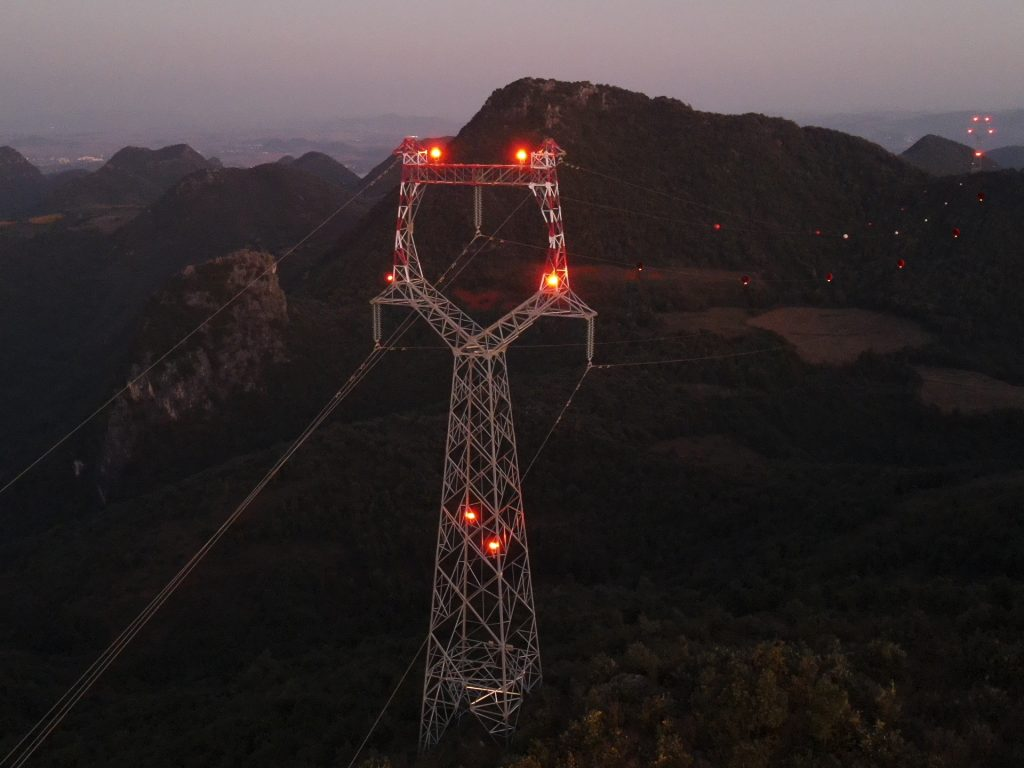
Transmission towers carry high-voltage power lines across cities, mountains, valleys, and open land. Because these structures can extend high above the ground, they may pose a risk to aircraft, especially when located near airports, flight paths, or areas used for low-level flying. Transmission tower obstruction lights help pilots identify tall structures and improve their visibility at night or in reduced visibility conditions.
Choosing the right aviation obstacle lights involves more than selecting a lamp with sufficient brightness. Tower height, location, installation position, power supply, and local aviation requirements all need to be considered. This guide explains how to select and install aviation obstruction lights for transmission towers and what to consider when planning a reliable lighting system.
Ⅰ.Why Do Transmission Towers Need Obstruction Lights?
Transmission towers are often built in open areas where their height and surrounding terrain can make them potential hazards to air navigation. Their steel lattice structures may also be difficult to distinguish from the background under certain lighting and weather conditions.
Obstruction lights help make these structures more visible to pilots, particularly during nighttime operations. The need for lighting depends on several factors:
- Tower height: Taller structures may require more extensive obstruction marking and lighting.
- Location: Towers near airports, heliports, flight routes, or areas with low-level aircraft operations may require special consideration.
- Surrounding terrain: Mountains, valleys, and other structures can affect how easily a tower can be seen.
- Overhead power lines: The wires themselves may also require marking or other visibility measures in certain locations.
Not every transmission tower automatically requires the same lighting configuration. The project design should follow the applicable aviation authority’s requirements and any relevant aeronautical assessment.
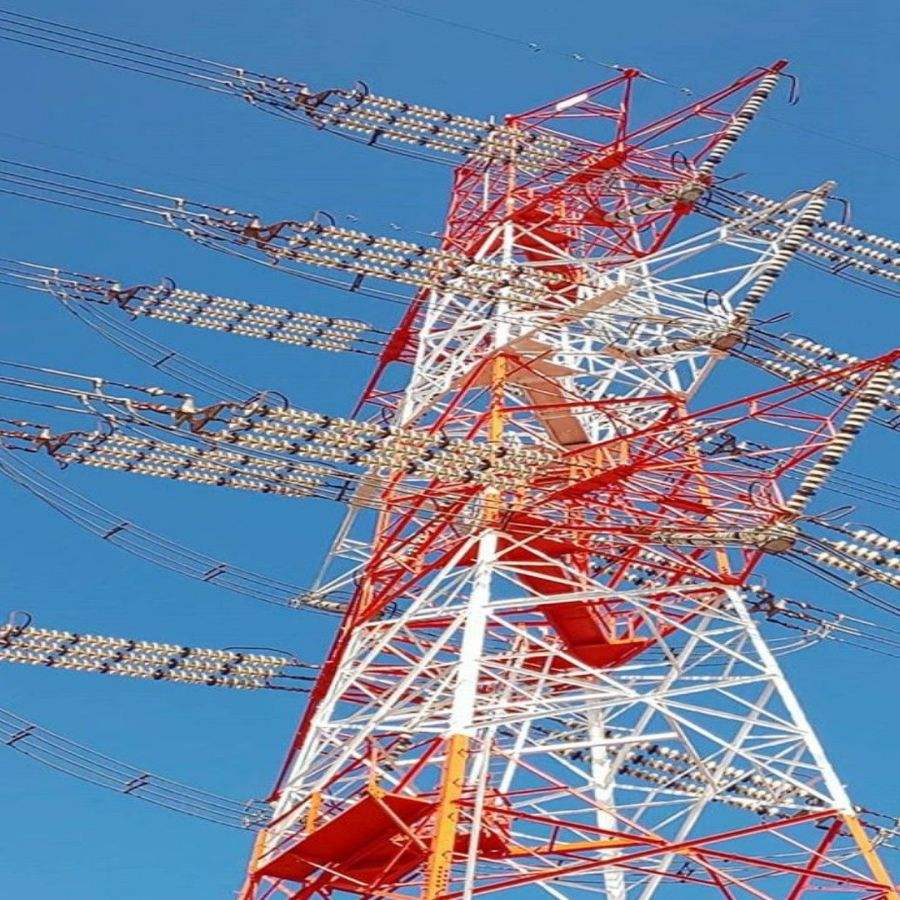
Ⅱ. How to Choose Obstruction Lights for Transmission Towers
Selecting suitable transmission tower obstruction lights starts with understanding the project’s requirements. The following factors are particularly important.
1. Consider Tower Height and Lighting Requirements
Tower height is an important starting point, but it should not be used as the only factor when choosing obstruction lights.
Depending on the applicable standards and project assessment, a tower may require low / medium or high-intensity obstruction lights, or a combination of different types.
| Lighting Type | Typical Application Consideration |
|---|---|
| Low-intensity obstruction lights | May be suitable for certain lower structures or specific lighting arrangements where permitted |
| Medium-intensity obstruction lights | May be specified for taller structures or projects requiring greater daytime and nighttime visibility |
| High-intensity obstruction lights | May be required for certain tall structures or overhead-line crossings when specified by the applicable aviation requirements |
These are general descriptions, not a universal tower-height selection chart. The actual lighting type, intensity, color, flashing pattern, and number of lights must be confirmed against the applicable regulations and approved project design.
For example, a transmission tower in a remote mountain area may have different requirements from a tower of similar height located close to an airport. The location and aviation risk can change the required lighting arrangement.
2. Determine the Required Number & Installation Levels
The number of obstruction lights depends on the tower design and the required lighting configuration.
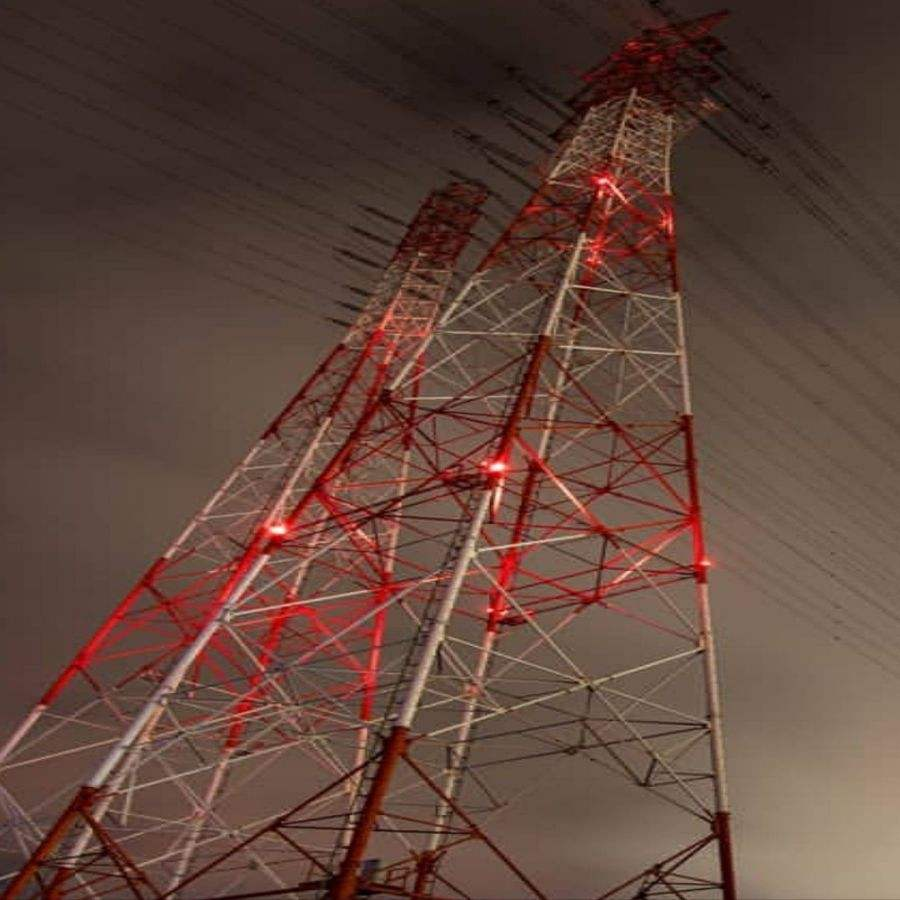
For some projects, lighting near the top of the tower may be sufficient. Other projects may require lights at multiple levels to make the structure recognizable from different directions. When planning the installation, consider:
- The highest point of the tower.
- Whether additional lighting levels are required.
- Whether steel members, crossarms, or other structures block the lights.
- Whether the lights remain visible from the required viewing directions.
- Whether the supporting structure can accommodate the mounting brackets and equipment.
The purpose is not simply to illuminate the tower. The lighting arrangement must help pilots recognize the relevant structure and its extent.
3. Choose the Appropriate Light Type and Flashing Mode
Obstruction lights are available in different light intensities, colors, and operating modes.
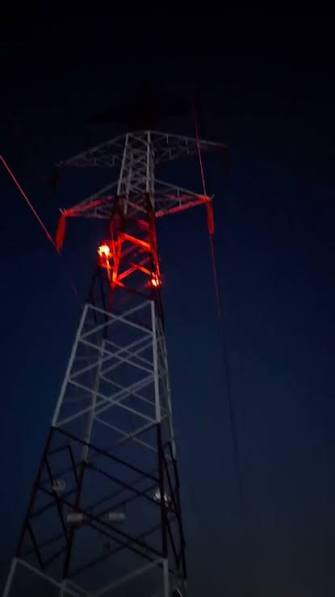
Red obstruction lights are commonly used for nighttime obstacle marking. Depending on the applicable requirements, white obstruction lights or systems combining different lighting types may also be specified. Before selecting a product, confirm the following:
- Required light intensity and color.
- Steady-burning or flashing operation.
- Required flash rate and synchronization, if applicable.
- Daytime, nighttime, or day-and-night operation.
- Environmental and electrical protection requirements.
A product should be selected according to the project’s lighting specification rather than appearance or nominal brightness alone.
Ⅲ.Where Should Obstruction Lights Be Installed on Transmission Towers?
Correct installation is essential for effective obstruction marking. Even a suitable tower light may not perform as intended if its position is blocked by the tower structure.
1. Tower Top
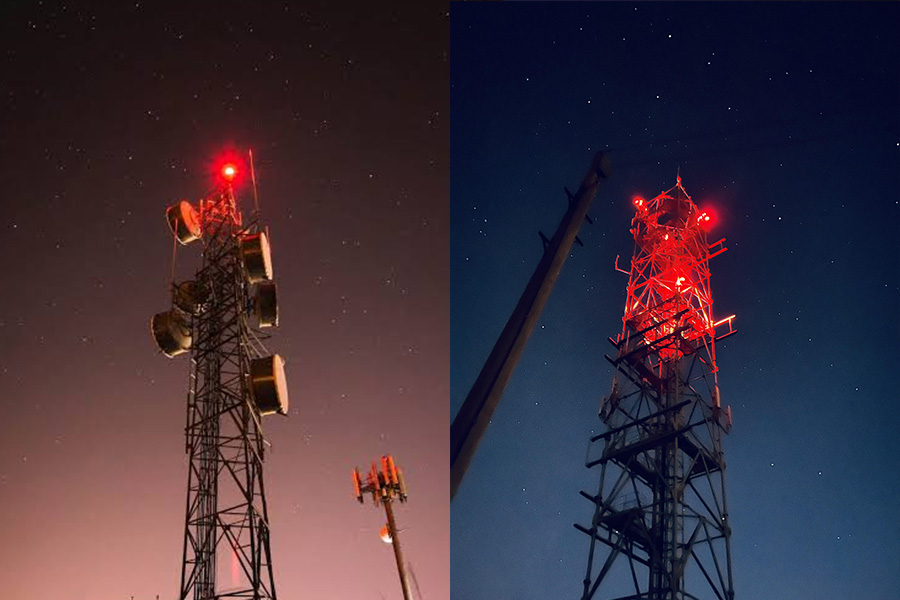
The highest part of the tower is a key location to consider because it helps identify the structure’s upper limit.
The lighting arrangement should follow the approved design and applicable requirements for the tower. Mounting brackets should also provide secure support and allow access for inspection and maintenance.
2. Intermediate Levels
For some taller towers or specialized lighting systems, additional lights may be required below the top.
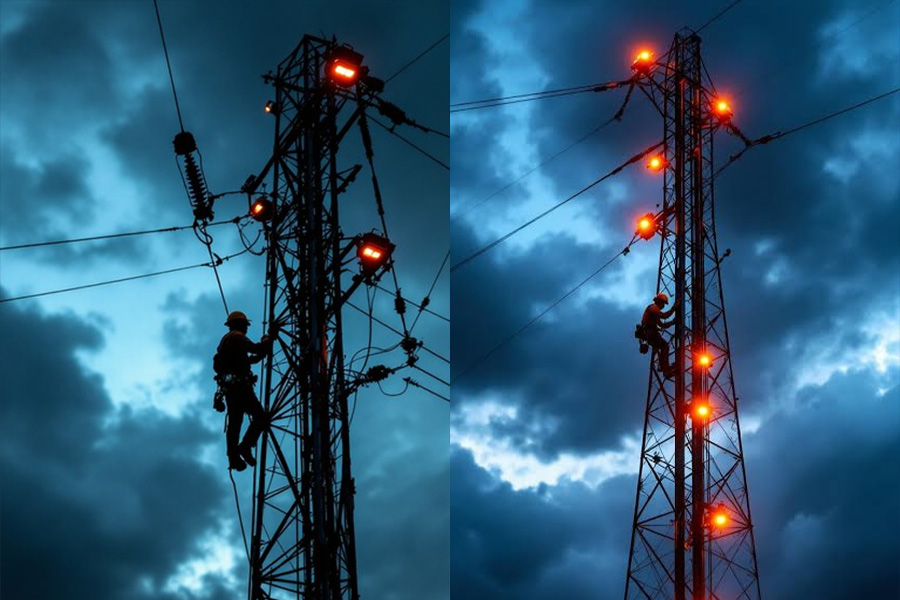
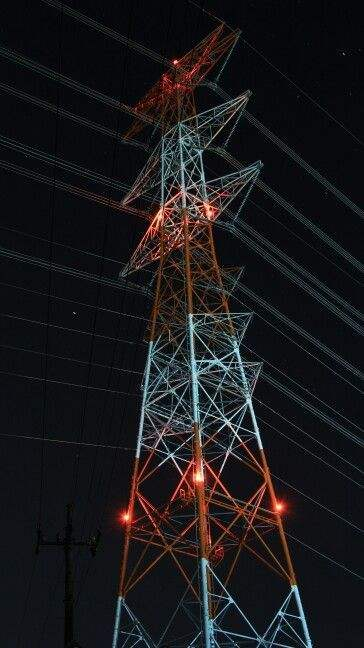
The exact number and position of these lights depend on the required configuration. For example, certain high-intensity systems used on towers supporting overhead wires may require lighting at the tower top, near the lowest point of the wire span, and at an intermediate level.
These arrangements are specific to the applicable requirements and should not be applied automatically to every transmission tower.
3. Visibility From Different Directions
A tower’s steel lattice structure can block a light when viewed from certain angles. Crossarms, platforms, and nearby structures may also create visual obstructions.
During installation planning, check that the required lights are visible from the relevant directions. Additional lights or adjusted mounting positions may be necessary where shielding occurs.
For towers supporting long overhead spans, the project team should also assess whether the conductors require separate marking or lighting measures.
Ⅳ. Solar vs. AC-Powered Transmission Tower Obstruction Lights
The power supply is another important consideration, particularly for transmission towers located far from substations, access roads, or maintenance facilities.
Both solar-powered and AC-powered obstruction lights can be considered, depending on the site conditions and project specifications.
| Factor | Solar-Powered Obstruction Lights | AC-Powered Obstruction Lights |
|---|---|---|
| Power source | Solar panels and batteries | AC electrical supply |
| Installation | Can reduce the need for external power cables | Requires a suitable power supply and electrical installation |
| Remote locations | Useful where grid power is difficult to access | Suitable where a reliable supply is available |
| Weather considerations | Requires sufficient solar charging and suitable battery capacity | Depends on supply reliability and the specified backup arrangements |
| Maintenance | Battery condition and solar panel performance need checking | Electrical connections, supply equipment, and backup systems may require inspection |
1. When Should You Consider Solar Aviation Obstruction Lights?
Solar-powered obstruction lights can be a practical option for remote transmission towers where bringing in a separate power supply would increase installation costs or complexity.
They integrate solar panels, rechargeable batteries, and lighting equipment into a power system designed for autonomous operation. Before selecting a solar model, evaluate:
- Local sunlight conditions throughout the year.
- Required operating hours and flashing pattern.
- Battery autonomy during prolonged cloudy or rainy periods.
- Ambient temperature and environmental conditions.
- Solar panel positioning and potential shading.
For sites with limited sunlight or demanding operating requirements, verify that the complete system can provide the required performance throughout the year.
2. When Are AC-Powered Obstruction Lights More Suitable?
AC-powered aviation lights may be preferable when a reliable electrical supply is available and the project requires a specific lighting system or centralized power arrangement. They can also be appropriate where the lighting specification calls for equipment that is not available in a suitable solar configuration.
The final choice should account for the entire installation, including cabling, electrical protection, backup power where required, and maintenance access.
Ⅴ. Key Factors for Reliable Installation and Long-Term Operation
Transmission towers are exposed to demanding outdoor conditions. Selecting a suitable obstruction light is only part of the process; the equipment must also remain reliable throughout its service life.
1. Weather and Environmental Protection
Transmission towers may experience strong winds, heavy rain, snow, high temperatures, low temperatures, and lightning exposure.
When evaluating obstruction lights, check the specified operating temperature range, ingress protection rating, mechanical durability, and suitability for the installation environment.
The mounting arrangement should also be suitable for the tower’s structural conditions and expected wind loading.
2. Electrical Protection and Power Reliability
For AC-powered systems, electrical protection, cable routing, and grounding arrangements should follow the applicable electrical standards and project design.
For solar-powered systems, battery capacity, charging performance, and energy management are important to maintaining operation during periods of limited sunlight.
Where backup power, monitoring, or synchronized flashing is required, these functions should be included in the system design rather than treated as optional additions.
3. Maintenance & Inspection
Obstruction lights need periodic inspection to help ensure that they remain operational and visible. A maintenance plan should cover:
- Checking whether the lights operate correctly.
- Inspecting mounting brackets and electrical connections.
- Cleaning solar panels where applicable.
- Checking battery condition and charging performance.
- Replacing failed components according to the manufacturer’s instructions.
For towers in remote locations, equipment durability and ease of maintenance are especially important because inspection visits may require additional time and resources.
Ⅵ. How to Select the Right Transmission Tower Obstruction Lights
Before purchasing obstruction lights for a transmission tower project, prepare the basic project information and confirm the required technical specifications.
The following checklist can help simplify the selection process.
| Selection Factor | Information to Confirm |
|---|---|
| Tower height | Total height above ground level |
| Installation location | Country, terrain, and proximity to airports or flight routes |
| Lighting requirements | Required intensity, color, operating mode, and lighting levels |
| Power supply | Solar, AC, or another specified arrangement |
| Operating environment | Temperature range, rainfall, wind, and other site conditions |
| Control requirements | Standalone operation, synchronization, monitoring, or backup power |
| Installation and maintenance | Mounting method, access, and inspection requirements |
Providing this information to the supplier helps narrow down suitable models and reduces the risk of selecting equipment that does not meet the project requirements.
Frequently Asked Questions
1. Do All Transmission Towers Need Obstruction Lights?
No. Whether a tower requires obstruction lighting depends on the applicable aviation regulations, tower location, height, and relevant project assessments. Towers supporting overhead lines may also require additional visibility measures in certain situations.
2. Which Obstruction Lights Are Suitable for Transmission Towers?
Low-, medium-, or high-intensity aviation bstruction lights may be suitable for different projects. The correct choice depends on the required lighting configuration, tower characteristics, and applicable aviation standards. There is no single light type that is suitable for every transmission tower.
3. Are Solar Obstruction Lights Suitable for Remote Transmission Towers?
Yes. Solar-powered obstruction lights can be suitable for remote towers where access to external power is limited. The solar panel, battery capacity, and operating performance should be evaluated against local sunlight conditions and the project’s lighting requirements.
4. Can Solar and AC-Powered Obstruction Lights Be Used on the Same Transmission Line?
Potentially, yes. Different towers along a transmission line may have different power supply conditions. However, each installation must meet its own requirements, and any system-wide synchronization or control requirements must be considered when selecting the equipment.
5. Do the Overhead Power Lines Also Need to Be Marked?
In some locations, yes. Depending on the span, terrain, nearby aviation activity, and applicable requirements, the conductors may need separate marking measures. Lighting the supporting towers doesn’t automatically mean that the wires themselves are adequately marked.
Conclusion
Choosing the right transmission tower obstruction lights requires careful consideration of tower height, location, lighting configuration, power supply, and environmental conditions.
Solar-powered solutions can be useful for remote installations, while AC-powered systems may be suitable where a reliable electrical supply is available. In either case, the final lighting arrangement should follow the applicable aviation requirements and approved project specifications.
For transmission tower projects, selecting suitable equipment at the design stage can help improve visibility, simplify installation, and support reliable long-term operation.
If you are planning an obstruction lighting project for power transmission towers, prepare the tower height, installation location, required lighting specifications, and power supply details before selecting a suitable solution.