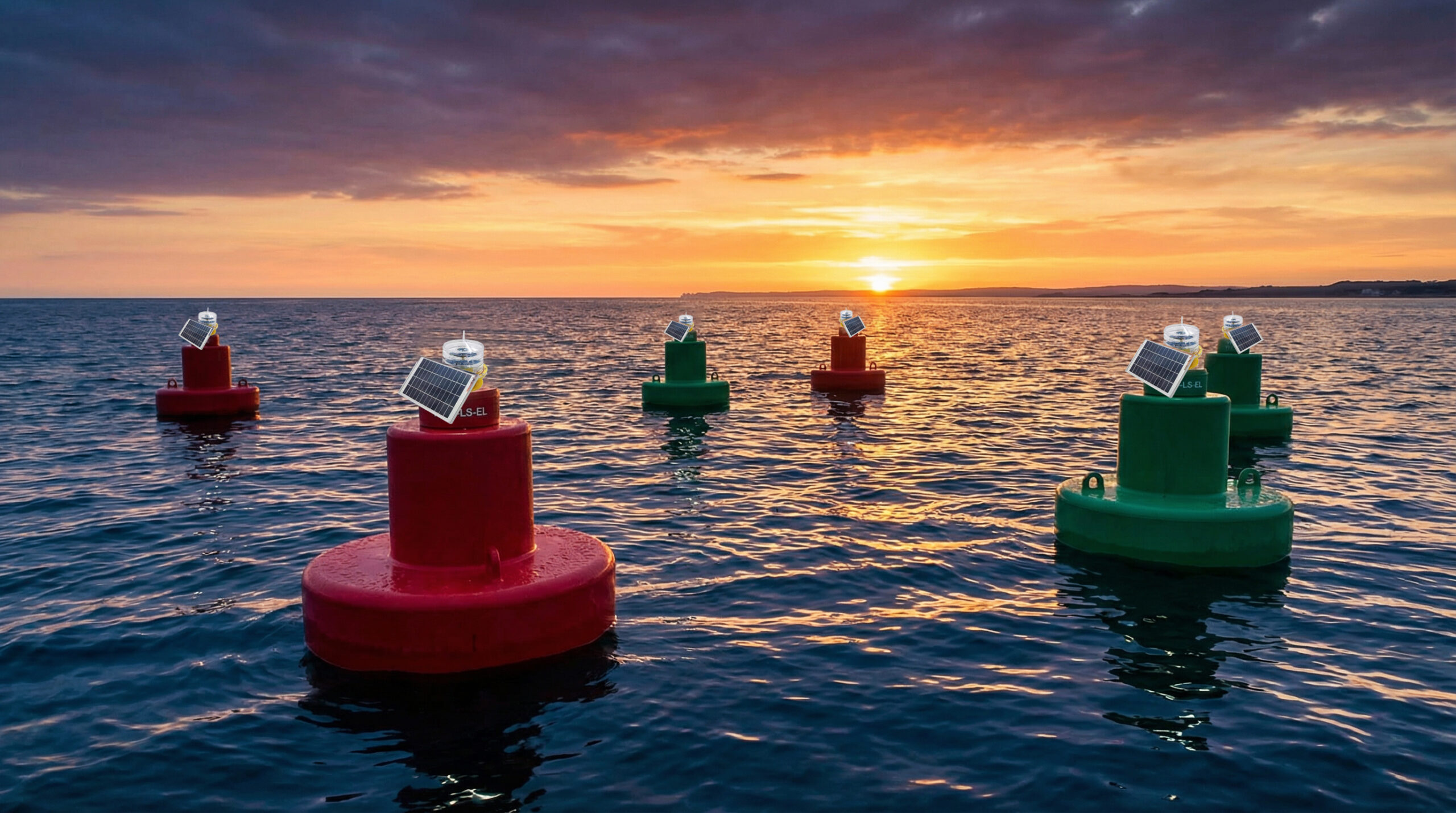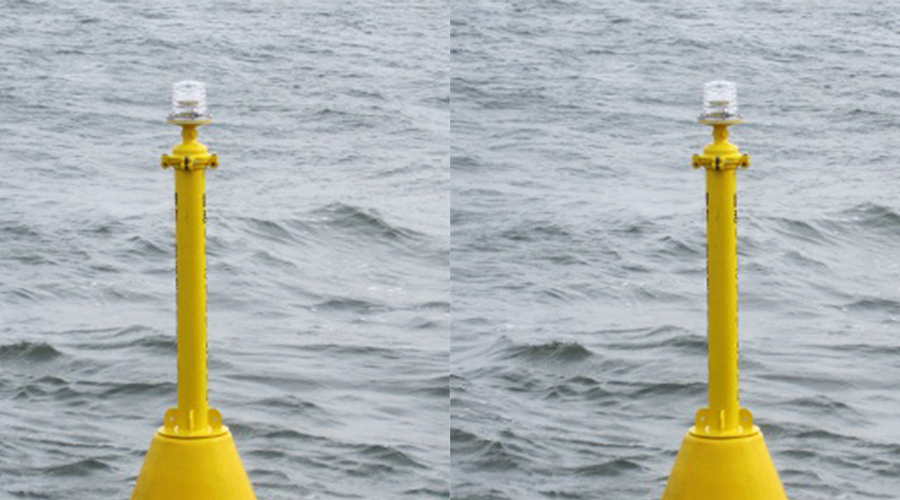
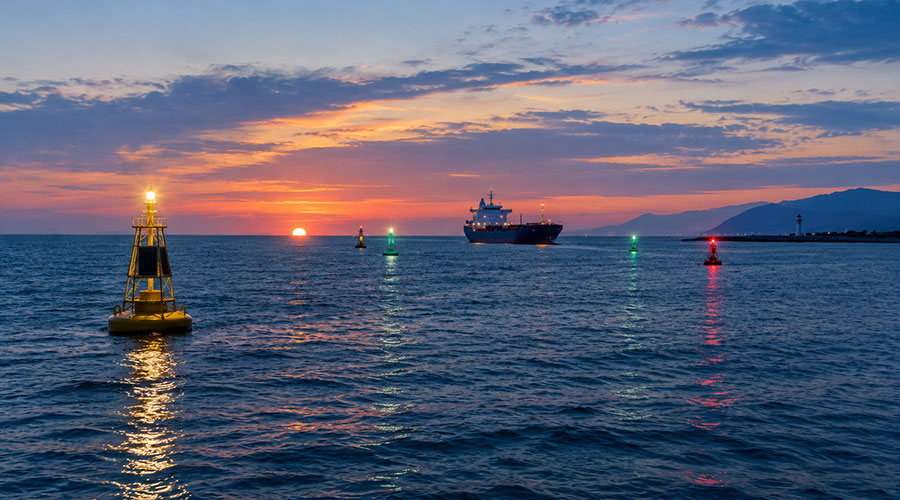
Solar marine lights are widely used on buoys, channel markers, offshore structures, and other aids to navigation where access to a continuous external power supply may be limited. By using solar energy and rechargeable batteries, these lights can operate independently and help reduce the need for frequent on-site maintenance.
However, reliable operation in remote marine environments depends on more than solar power alone. Battery capacity, sunlight availability, energy consumption, weather resistance, and maintenance planning all affect long-term performance.
This article explains the key factors to consider when selecting and maintaining solar marine navigation lights for remote navigation applications.
1. Why Are Solar Marine Lights Suitable for Remote Areas?
Installing and maintaining lighting equipment in remote marine locations can be challenging. Buoys may be far from shore, offshore structures may be difficult to access, and connecting equipment to a grid power supply may require additional cables and installation work. Solar marine lantern offer several practical advantages:
- Independent power supply: Integrated solar panels and rechargeable batteries reduce dependence on external electricity.
- Simplified installation: Self-contained solar marine lanterns can reduce the need for external wiring and separate power equipment.
- Lower routine maintenance requirements: Efficient LED light sources and automatic operation help reduce regular servicing needs.
- Flexible installation: They can be used on suitable buoys, channel markers, and other marine navigation structures.
These advantages make solar marine navigation lights a practical option for many remote applications. However, the system must be properly selected for the local climate, operating schedule, and required light output.
2. Choose the Right Solar Panel and Battery Capacity
The solar panel and battery are two of the most important components in a solar-powered marine lighting system.
The solar panel collects energy during daylight, while the rechargeable battery stores energy for nighttime operation and periods of limited sunlight.
1. Solar Panel Performance
Solar panel performance depends on several factors:
- Average daily sunlight and seasonal variations
- Panel orientation and installation angle
- Shading from nearby equipment or structures
- Dust, salt deposits, and other surface contamination
For locations with frequent cloudy weather or limited winter sunlight, the solar charging system should be evaluated against the area’s expected solar conditions rather than average annual sunlight alone.
2. Battery Capacity
Battery capacity determines how much energy can be stored for operation when solar charging is insufficient.
When selecting solar buoy lights, consider the required operating hours, light output, flashing pattern, and expected number of consecutive days with limited sunlight.
A larger battery doesn’t automatically guarantee reliable operation. The battery, solar panel, and lighting load must be properly matched to provide sufficient energy throughout the year.
3. Evaluate Battery Autonomy During Cloudy Weather
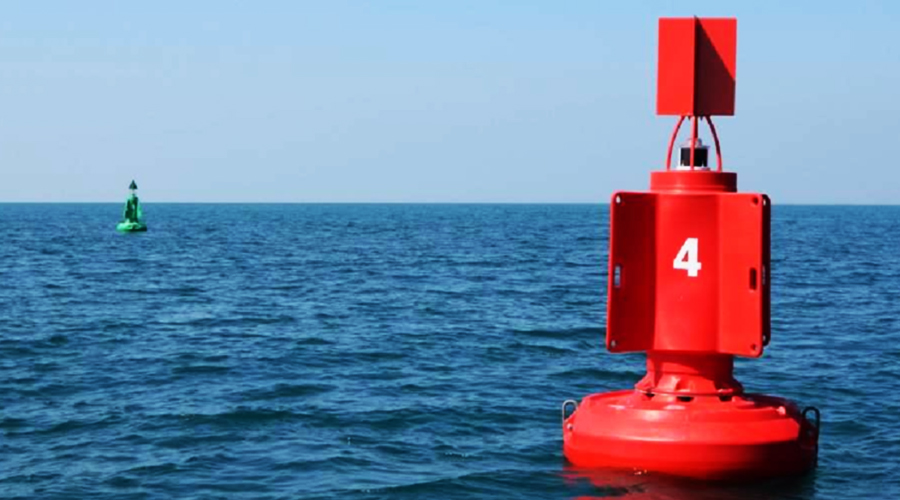
Battery autonomy refers to how long a solar marine lantern can operate without sufficient solar charging.
This is particularly important for offshore buoys and remote aids to navigation, where maintenance visits may be delayed by rough seas, strong winds, or limited vessel availability. Before purchasing solar marine lights, check:
- Rated autonomy: How many days can the marine light operate after a full charge under the specified conditions?
- Daily operating time: How many hours must the navigation light operate each night?
- Flash characteristics: Does the required flashing pattern affect energy consumption?
- Local weather: How frequently do prolonged cloudy or rainy periods occur?
- Battery aging: Will the system maintain sufficient capacity as the battery ages?
Always compare autonomy figures under consistent test conditions. Actual performance can vary with sunlight, temperature, battery condition, and operating settings.
For critical navigation applications, the system should be sized for the expected worst-case seasonal conditions, not just normal sunny weather.
4. Reduce Energy Consumption Without Compromising Visibility
Energy efficiency is essential when solar marine lights must operate continuously in locations with limited sunlight.
LED technology helps reduce power consumption while providing visible signals for marine navigation and hazard marking. However, energy savings should not come at the expense of the required visibility or signaling characteristics. Consider the following factors when choosing a marine navigation light:
1. Appropriate Visible Range
Select a light with a visible range suitable for the application, waterway conditions, and project requirements. A light designed for a small channel marker may not be suitable for a major shipping channel.
2. Correct Flashing Characteristics
Flashing lights may use less energy than continuous lighting in some operating configurations, but actual consumption depends on the light output, flash duration, and operating frequency.
The selected light must provide the required color and flashing characteristics for its intended navigation function.
3. Automatic Day/Night Operation
A built-in photocell can automatically switch the light on at dusk and off at dawn. This helps avoid unnecessary daytime operation and supports consistent daily use.
The photocell should be installed where it can detect ambient light correctly, away from direct artificial light that could interfere with switching.
5. Check Environmental Protection for Marine Conditions
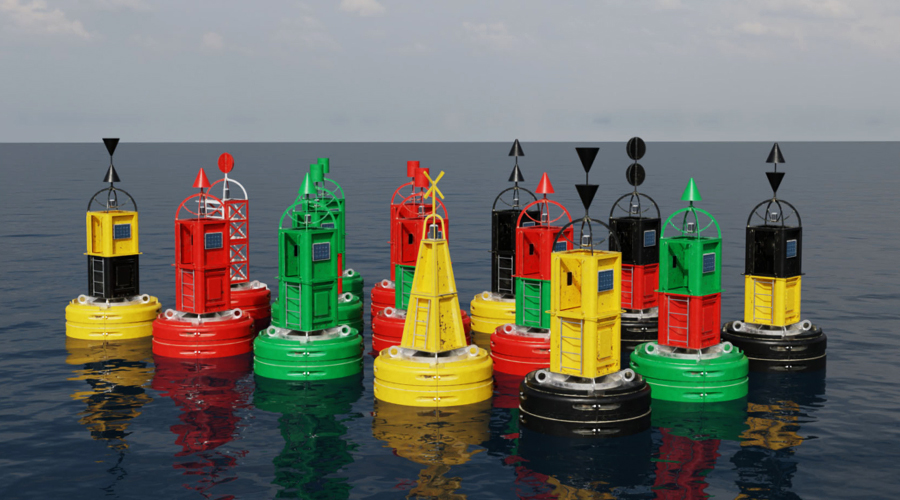
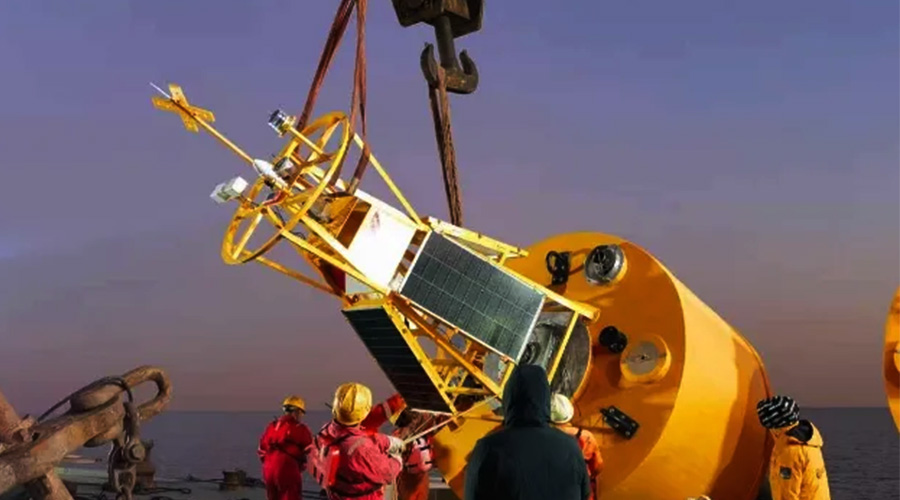
Marine equipment is exposed to moisture, salt, wind, sunlight, and temperature changes. These conditions can affect both the physical structure and electrical performance of a solar marine lantern. When evaluating solar marine lights, check the following:
- Ingress protection: Confirm that the protection rating is appropriate for the installation and expected exposure to water.
- Corrosion resistance: Review the housing material, fasteners, and exposed metal components for suitability in salt-laden environments.
- Temperature range: Make sure the equipment can operate within the expected local temperature range.
- UV resistance: Lens and housing materials should be suitable for prolonged outdoor exposure.
- Mounting stability: The mounting base and fasteners should withstand vibration, wind, and the movement of floating structures where applicable.
An IP rating alone does not guarantee suitability for every marine environment. For installations involving frequent wave impact or temporary submersion, confirm the required protection level with the manufacturer.
6. Plan Maintenance for Remote Navigation Aids
Solar-powered lighting can reduce routine servicing, but it does not eliminate maintenance entirely.
For remote aids to navigation, preventive maintenance is especially important because equipment faults may remain unnoticed until the next inspection.
A practical maintenance plan should include:
| Component | What to Check |
|---|---|
| Solar panel | Remove salt deposits, dirt, and other obstructions |
| Battery | Check charging performance, condition, and replacement requirements |
| LED light source | Confirm normal operation and visible output |
| Photocell | Verify automatic day/night switching |
| Housing and lens | Inspect for damage, moisture, and deterioration |
| Mounting hardware | Check fasteners, corrosion, and structural stability |
The inspection frequency should reflect the local environment, equipment specifications, and importance of the navigation aid.
Where equipment is difficult to access, remote monitoring may also help operators identify battery or lighting faults earlier, provided the system supports this function.
7. Confirm the Requirements for Each Marine Application
Not every marine lighting application requires the same equipment. The appropriate solar marine lantern depends on the purpose of the aid, its location, and the applicable project requirements.
Common applications include:
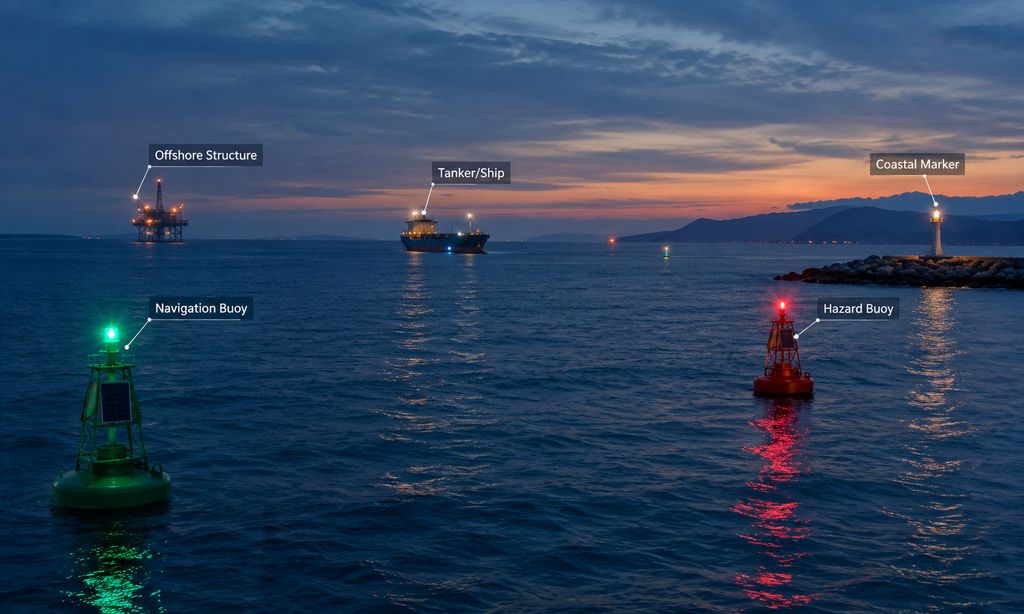
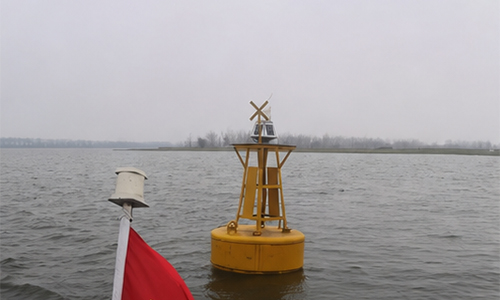
- Navigation buoys: Mark channels, navigation routes, and designated areas.
- Hazard buoys: Identify underwater hazards, restricted areas, and other potential dangers.
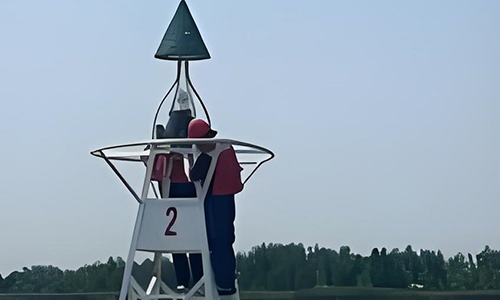
- Coastal and shoreline markers: Provide visual references for vessels operating near the coast.
- Port and harbor facilities: Mark selected structures, entrances, and navigation-related areas.
- Offshore structures: Provide visual marking where required by the project.
- Other marine aids to navigation: Support visual identification of marine routes and designated locations.
Before ordering, confirm the required light color, visible range, flashing characteristics, operating autonomy, mounting arrangement, and environmental protection.
For navigation-related installations, the selected equipment should also meet the applicable requirements of the relevant maritime authority and project specification. IALA guidance can provide a useful reference for the design and maintenance of aids to navigation, but the exact requirements depend on the application and local rules.
8. Choosing a Solar Marine Lantern for Remote Applications
When comparing solar marine lanterns, buyers should evaluate the complete operating requirements rather than focusing on a single specification.
A practical selection checklist includes:
- Required visible range and light output
- Available solar charging and battery capacity
- Expected autonomy during periods of limited sunlight
- Light color and flashing mode
- Housing materials and ingress protection
- Operating temperature range
- Mounting dimensions and installation requirements
- Battery replacement and maintenance arrangements
For smaller buoys and navigation markers, a compact, self-contained lantern may simplify installation and reduce the need for separate power equipment.
Example: YFFY-150T-N1 Compact LED Solar Marine Lights
The YFFY-150T-N1 is a compact solar-powered LED marine lantern designed for marine signaling, navigation, and structural marking applications. Its main features include:
- Integrated solar power and rechargeable battery
- Approximate visible range of 2–3 nautical miles
- Automatic day/night operation
- Red, green, yellow, white, and blue light options
- Steady or flashing operation
- IP65 protection rating
- Operating temperature range of -40°C to +60°C
These features make it an option to consider for suitable buoys, shoreline markers, and other marine or outdoor marking applications. The required visibility, autonomy, and installation conditions should be checked against the actual project specifications before selection.
Conclusion
Reliable solar marine lights depend on the right combination of solar charging capacity, battery autonomy, energy-efficient lighting, environmental protection, and appropriate maintenance planning.
For remote buoys and other aids to navigation, evaluating these factors before purchase can help reduce unexpected downtime and unnecessary maintenance visits.
By matching the lantern to the local environment and project requirements, operators can build a more reliable lighting solution for remote marine applications.
Frequently Asked Questions
1. How Long Can Solar Marine Lights Operate Without Sunlight?
Operating time depends on battery capacity, solar charging conditions, light output, flashing pattern, and battery condition. Check the manufacturer’s rated autonomy and confirm that it suits the expected local weather conditions.
2. Are Solar Marine Lanterns Suitable For Remote Buoys?
Yes. Self-contained solar marine lanterns can be suitable for remote buoys because they reduce dependence on external power supplies and simplify installation. The lantern must still meet the required visibility, autonomy, and environmental protection specifications.
3. What Affects The Reliability Of Solar Buoy Lights?
The main factors include sunlight availability, battery condition, solar panel cleanliness, energy consumption, environmental exposure, and maintenance. Correct system sizing is essential for reliable operation during prolonged cloudy periods.
4. What Should Buyers Check Before Purchasing Solar Marine Navigation Lights?
Buyers should confirm the visible range, light color, flashing characteristics, battery autonomy, environmental protection, operating temperature, mounting dimensions, and compliance with applicable project requirements.
5. Do Solar Marine Lights Require Regular Maintenance?
Yes. Although solar marine lanterns can reduce routine servicing, the solar panel, battery, lens, housing, photocell, and mounting hardware should be inspected periodically. The maintenance schedule should reflect the installation environment and manufacturer recommendations.