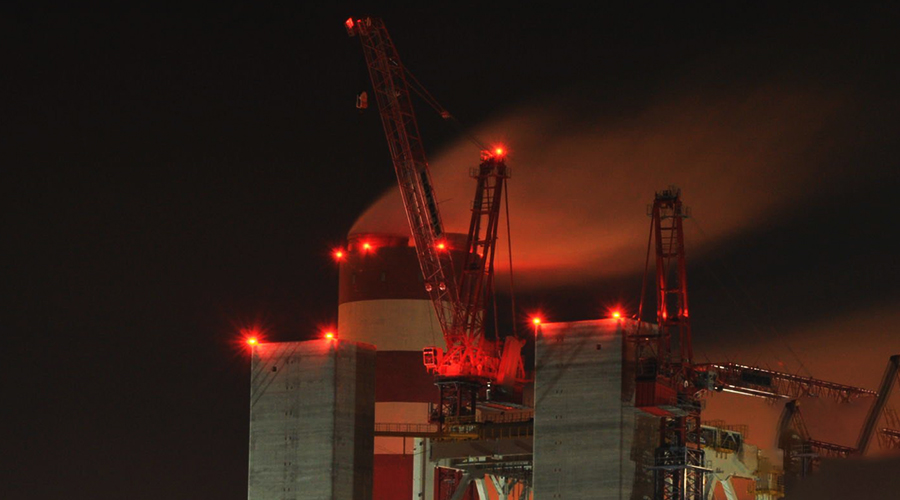
Low-intensity Obstruction Lights What is the Applicable Altitude?
Low-intensity obstruction lights are used to mark obstacles below 150 m, suitable for various low-rise buildings, towers, bridges, chimneys, and other scenarios

Low-intensity obstruction lights are used to mark obstacles below 150 m, suitable for various low-rise buildings, towers, bridges, chimneys, and other scenarios
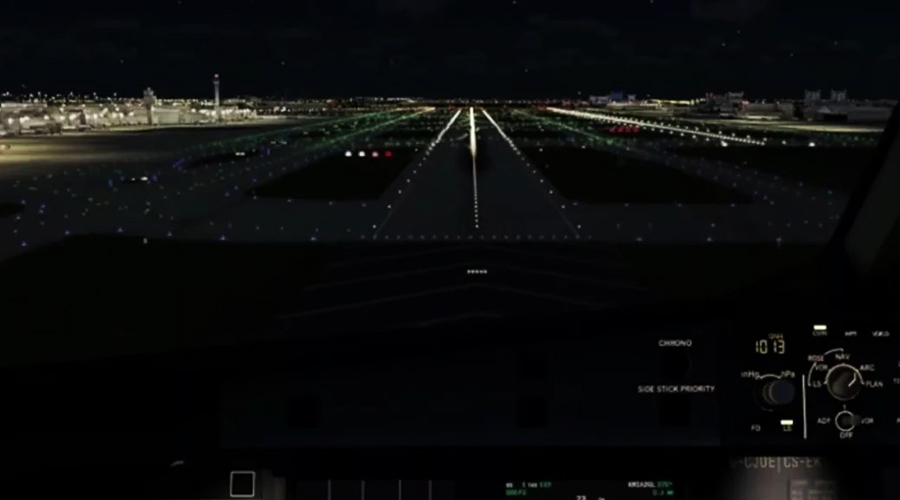
PAPI Light (Professional Precision Approach Path Indicator System) – Guides aircraft and other flying vehicles to their safe return home.
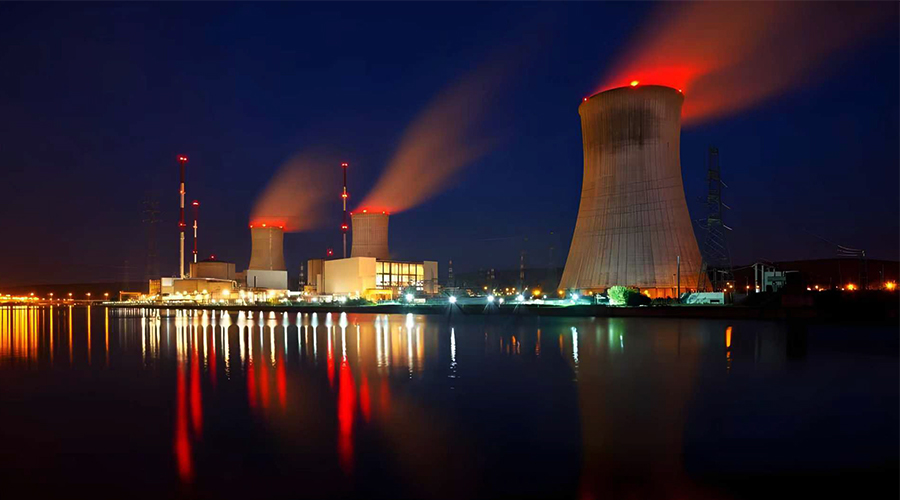
Chimney Obstruction Lights Solutions – Solar Aviation Obstruction Lights & AC Obstruction Warning Lights offer solutions for various applications and needs.
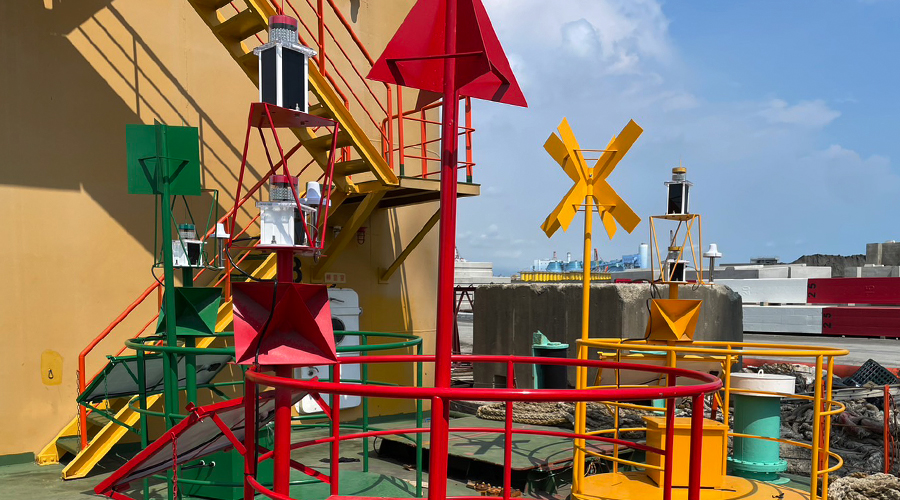
Solar marine lights are highly efficient and energy-saving, making them the preferred lighting solution for buoys, ships, offshores and various navigation aids.
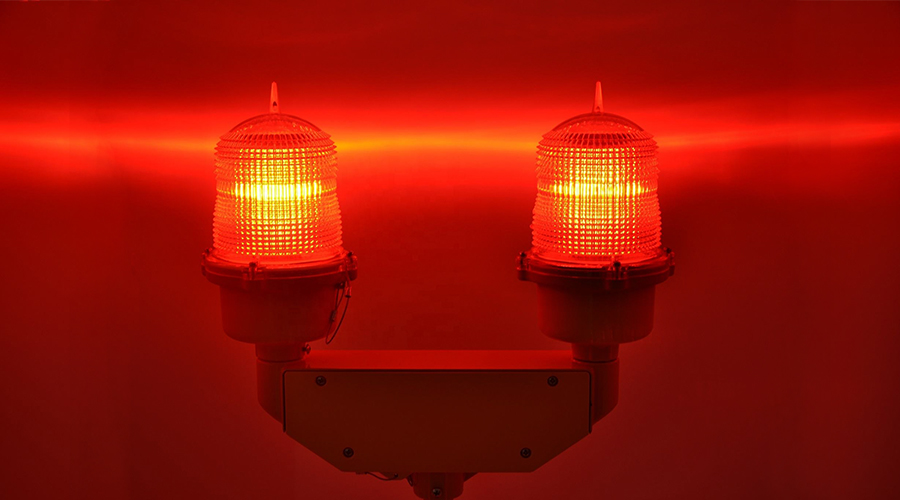
The dual-head obstruction lights is designed specifically for high-altitude obstacles, contributing to aviation safety in five major application areas.
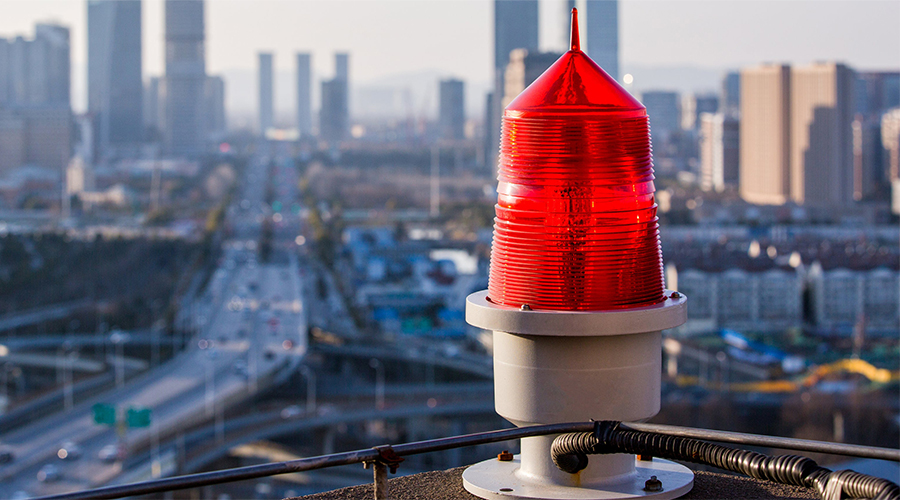
Aircraft Warning Lights are special lights installed on tall buildings, structures, or obstacles to warn pilots of the presence of potential obstacles.
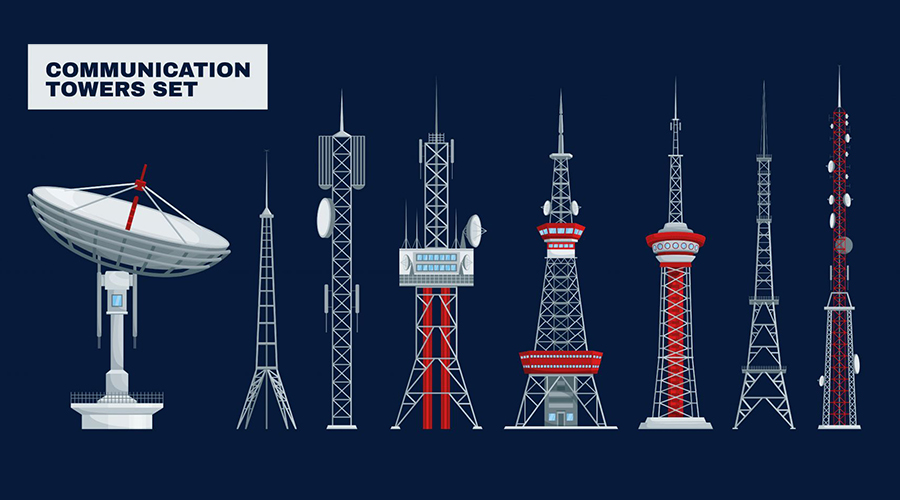
The solar warning lights for tower is energy-saving, environmentally friendly, easy to install, and saves manpower and material resources, good for aviation.
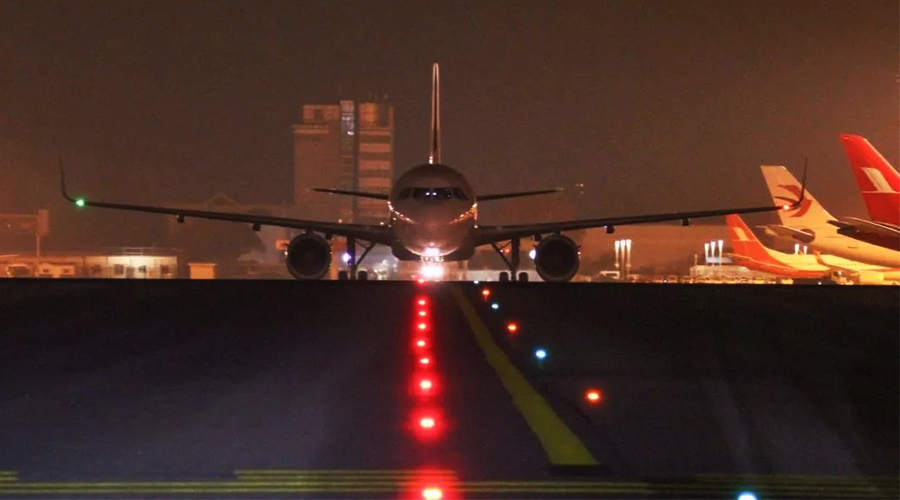
Airport emergency lighting can also be used in hospitals and shopping malls to provide temporary lighting during power outages or other emergencies and safety.
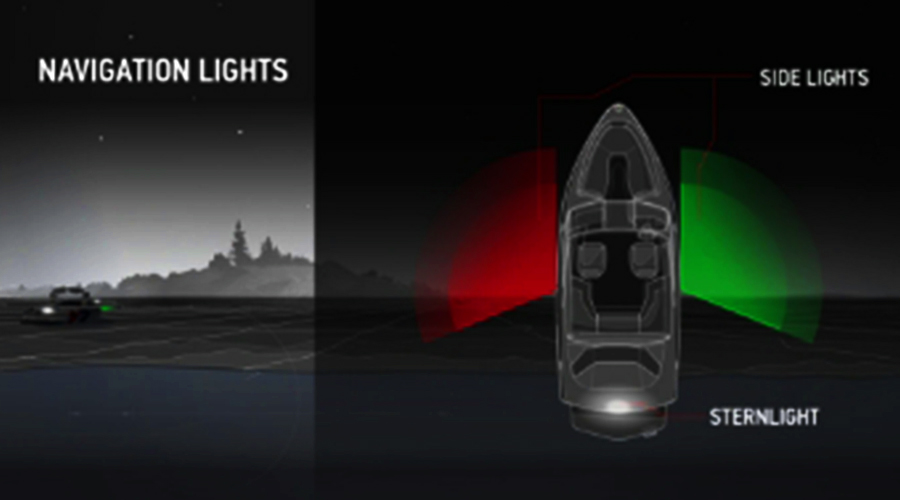
Ship navigation lights are used to indicate the ship’s bearing. They include port side lights, starboard side lights, and mast lights and are safe and