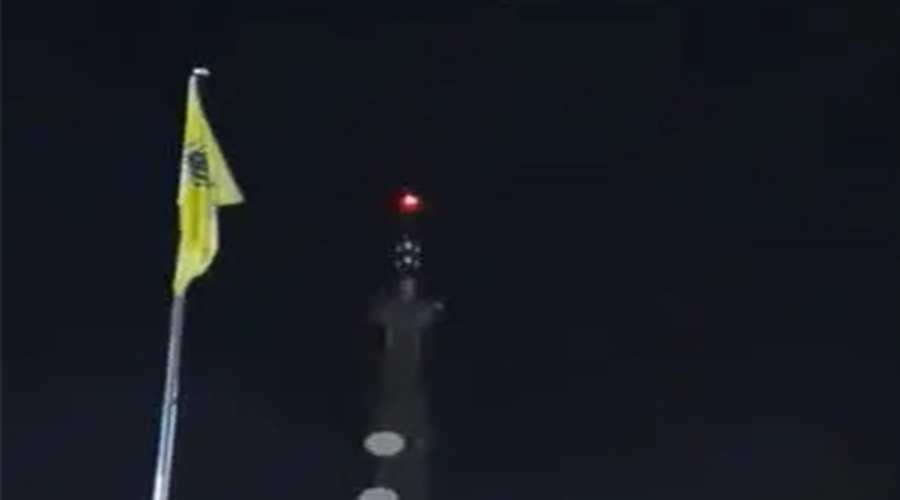
Low-intensity Lights: The Installation Requirements
The low-intensity lights installation needs to comply with certain standards and is usually installed on the top of buildings below 45m for warning purposes.

The low-intensity lights installation needs to comply with certain standards and is usually installed on the top of buildings below 45m for warning purposes.
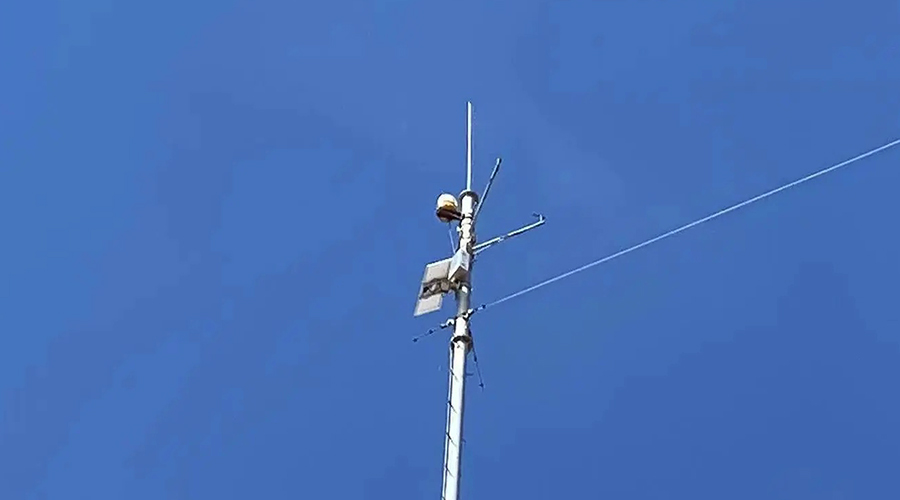
Solar obstacle lights are installed on buildings, towers, wind turbines and other structures that may pose potential dangers to aircraft to ensure flight safety
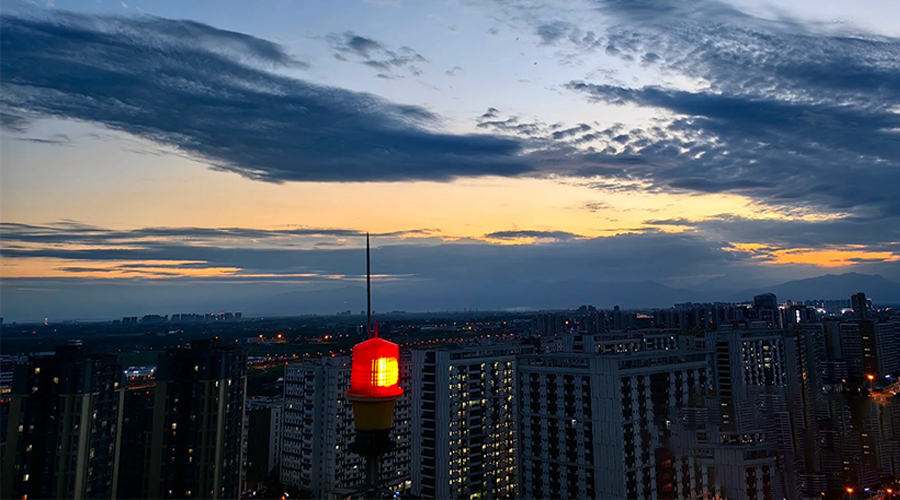
Aviation obstruction lighting has 3 types. What are the basis and characteristics of the color selection? Let us understand several aspects in this article.
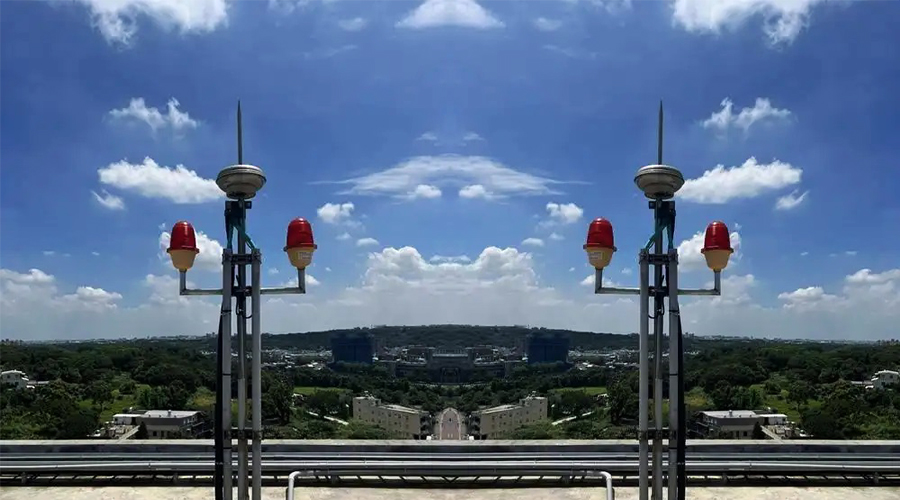
Type B Aviation Obstruction Warning Light was successfully installed in Malaysia, helping pilots to further avoid the hidden dangers of high-rise buildings.
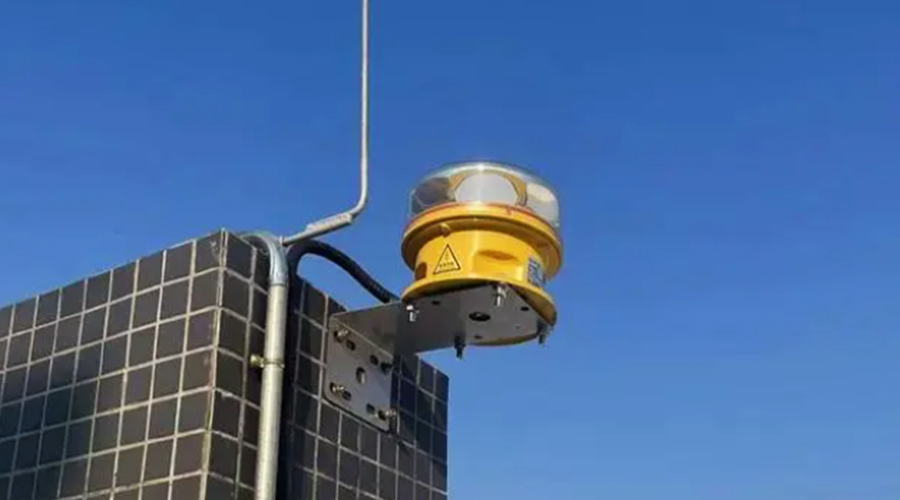
Solar low-intensity obstacle lights require choosing a suitable installation location to ensure that they can serve as a warning for high-altitude obstacles.
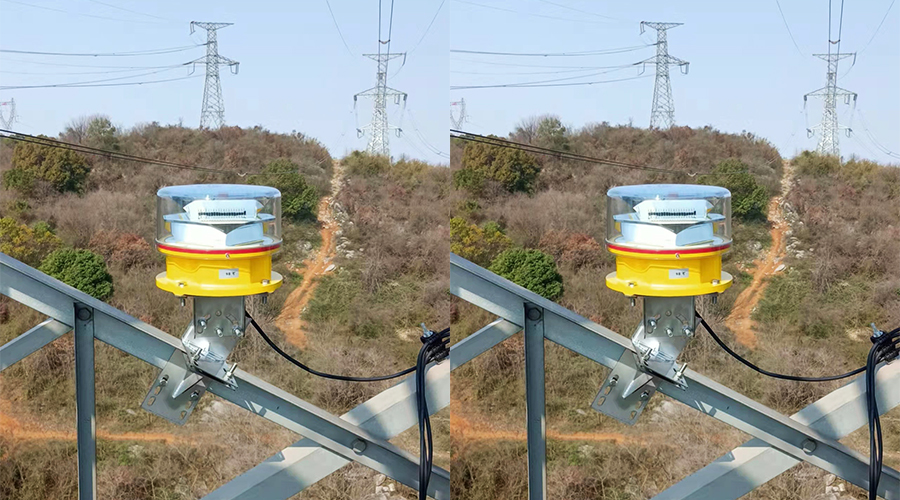
Solar obstacle warning light mainly used in aviation, airports, helipads, highways, road construction, etc. They can improve nighttime safety with good quality.
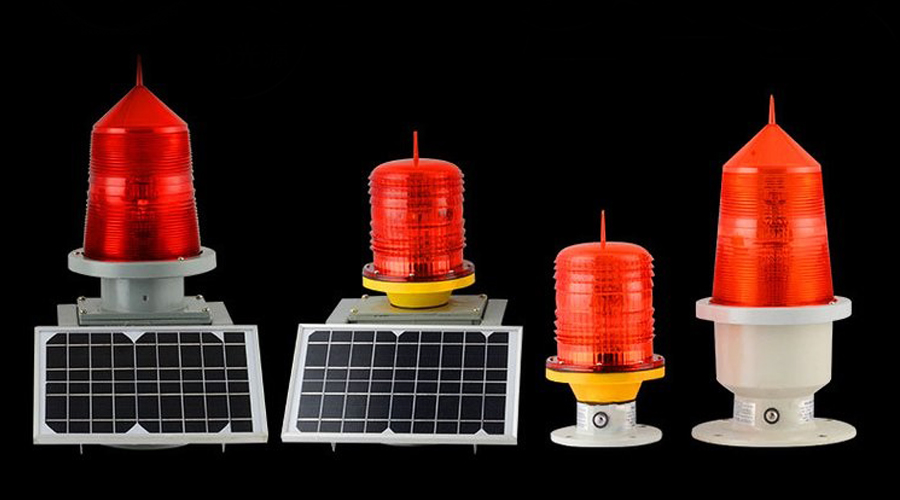
Obstruction light aviation lighting requirements, learn more about the requirements of low-intensity, medium-intensity, and high-intensity obstacle lights.
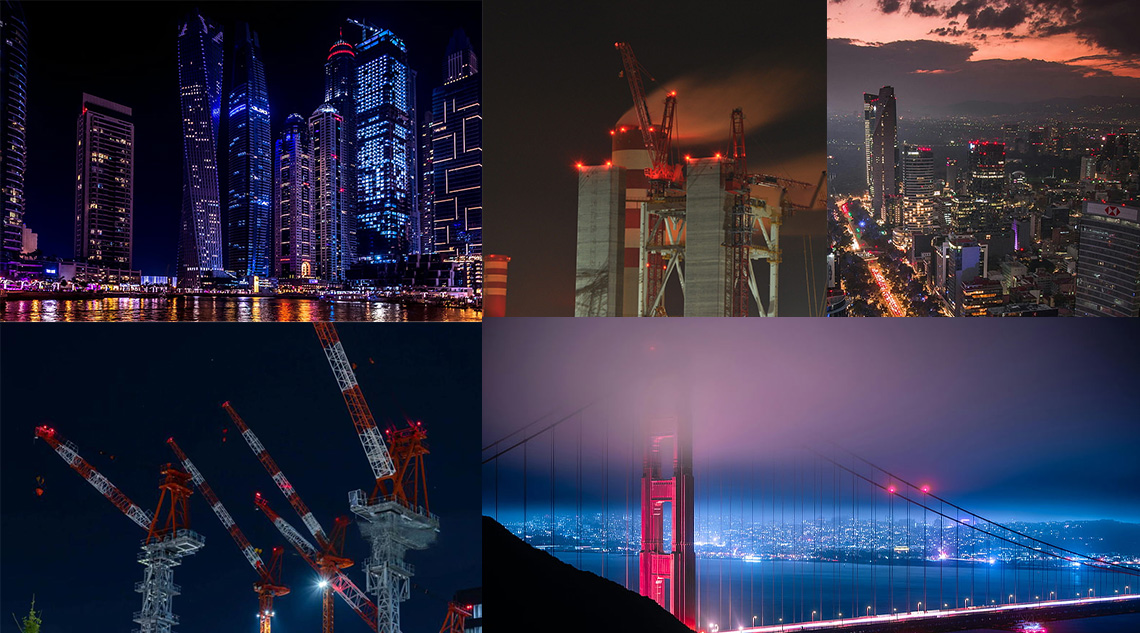
ICAO guidelines for aviation light is installation standard for obstacle lighting, which is mainly used to warn the existence of obstacles to aircraft operator.
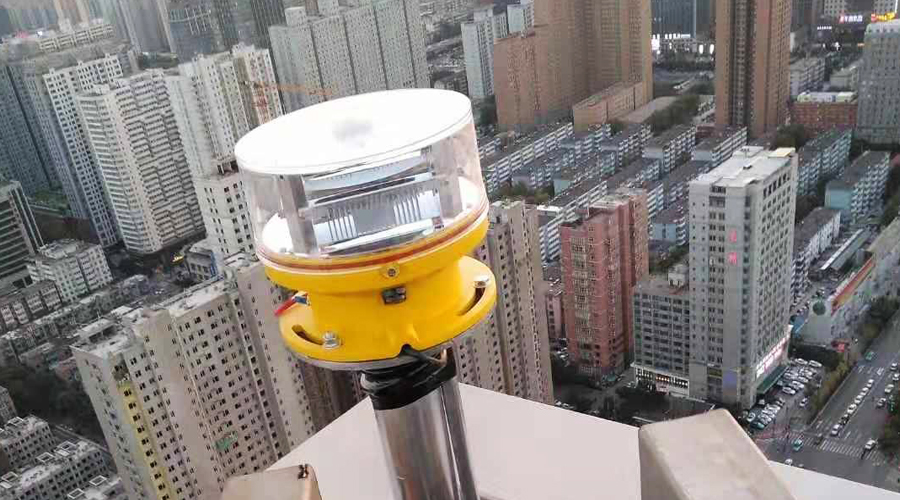
Aviation lighting requirements include many, article mainly describes the installation & technical specifications of aviation obstruction lights for obstacles.