
Building & High-Rise Warning Lights Solution
ICAO & FAA-compliant LED aviation obstruction lights for skyscrapers, high-rise residential and commercial towers, landmark buildings, and rooftop structures — protecting low-flying aircraft while preserving city skyline aesthetics and meeting municipal lighting codes.
ICAO Annex 14 Certified · FAA AC 70/7460-1L Compliant · ISO 9001 Manufacturer · Dual-Lamp Backup for Rooftop Access · 50,000+ Hours LED Lifespan · 2-Year Warranty
Building & High-Rise Warning Lights Solution
Building & High-Rise Warning Lights are a mandatory safety requirement for skyscrapers, high-rise residential and commercial towers, hotels, hospitals, government buildings, and any structure that exceeds regulatory height thresholds near flight paths, helicopter corridors, or urban airspace. As cities build taller and denser, these obstruction lights are what allow pilots to identify rooftop hazards at night, in fog, and in low-visibility weather — often the very first line of defense against a mid-air collision over a populated city.
Unlike towers or turbines in open terrain, high-rise buildings bring a unique set of constraints that developers and architects must navigate simultaneously: rooftop space is shared with HVAC units, antennas, and lightning protection systems; maintenance access is expensive and restricted on occupied buildings; municipal lighting and dark-sky ordinances increasingly regulate visual impact in urban areas; and for landmark or architecturally significant buildings, the lighting must be discreet enough not to compromise the building’s visual identity while still meeting full aviation compliance.
YFFY Lights supplies complete building and high-rise obstruction lighting systems — from single low-intensity rooftop beacons to fully layered multi-level lighting for supertall towers — engineered for reliable, low-maintenance operation on occupied structures where every rooftop service call carries real cost.
Which Building Obstruction Warning Light Do You Need? (By Height)
| Building Height | Required Light Type (ICAO/FAA) | Color / Mode | Typical Configuration |
| Below 45m | Often exempt, or Low Intensity | Red steady | Single beacon at highest point (if required) |
| 45m – 105m | Low Intensity Type A/B | Red flashing or steady | Rooftop-mounted, evenly distributed if wide footprint |
| 105m – 150m | Medium Intensity Type B | White (day) / Red (night), auto-switching | Medium-intensity at top + low-intensity mid-layer for wide structures |
| Above 150m | High Intensity Type A | White flashing, unidirectional beam | Top-layer high-intensity + mid-layer medium/low-intensity, all top-layer units synchronized |
| Very tall / supertall towers | Multi-layer configuration | Combined intensities by layer | Middle layers evenly spaced per 45m interval; top and middle layers flash in sync |
Note:For obstacles over 45m, aviation authorities generally require the full outline of the structure to remain visible from any direction — this often means mid-level “waist lights” in addition to rooftop lighting on wide or irregularly shaped towers. Exact thresholds vary by country; YFFY Lights’ engineering team provides a free pre-design compliance review.
Building & High-Rise Warning Lights Solution
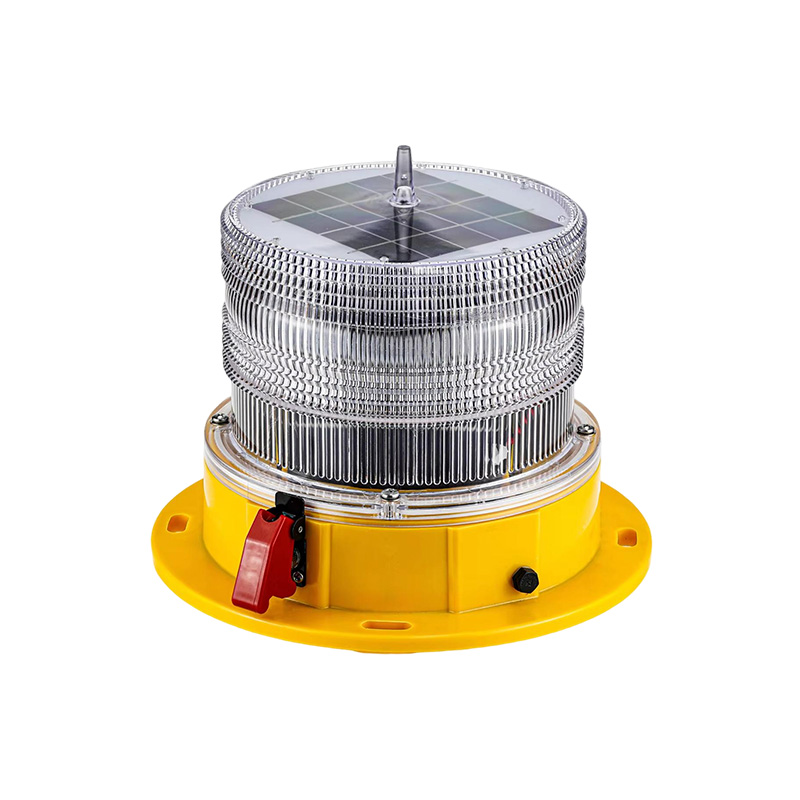
Low Intensity Obstruction Lights (Type A/B) suit low- and mid-rise buildings under 105 meters. These steady-burning or flashing red LED beacons operate automatically via built-in photocell sensors, with weatherproof housings suited to long-term unattended rooftop installation.
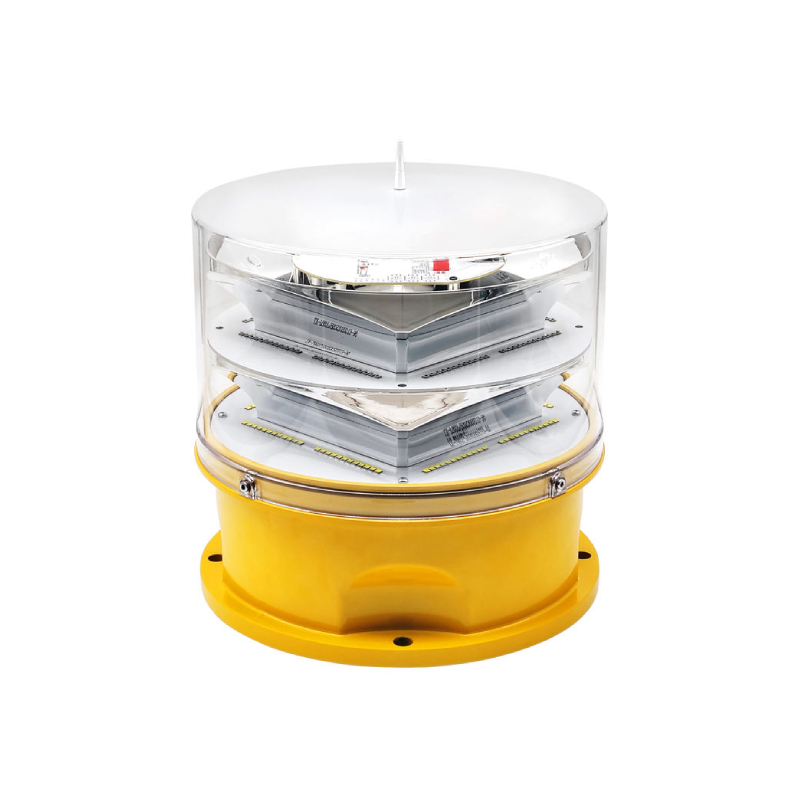
Medium Intensity Obstruction Lights (Type B) are the standard solution for buildings between 105m and 150m, using an automatic “white during the day, red at night” switching mode based on ambient light. Built with CREE high-efficiency LED chips and lightning-protected circuitry, these lights integrate cleanly with a building’s existing rooftop electrical infrastructure.
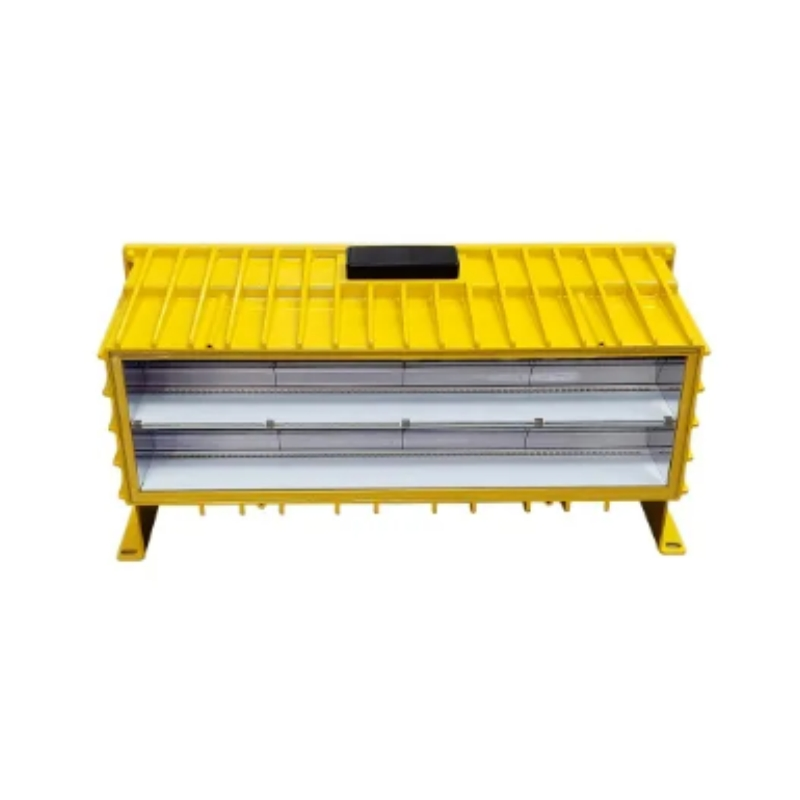
High Intensity Obstruction Lights (Type A) are required for buildings exceeding 150 meters — unidirectional white flashing beacons with 90° or 120° beam spread, combined across multiple units to achieve full 360° coverage at the rooftop level. All Type A units on the same structure must flash in perfect synchronization, a core requirement our controllers are designed to guarantee.

For occupied high-rise buildings, high-altitude maintenance is one of the largest hidden costs of obstruction lighting — scaffolding, rope access, or crane time to replace a single failed rooftop lamp can cost far more than the fixture itself. YFFY’s dual-lamp units with automatic backup switching keep the structure compliant even if one lamp fails, reducing emergency maintenance calls and extending the interval between scheduled rooftop access.

For rooftop zones without convenient electrical access, or buildings prioritizing energy efficiency certifications (LEED, BREEAM), solar-powered obstruction lights provide fully autonomous operation with no additional wiring runs across the roof structure — a common request from architects managing complex rooftop layouts.
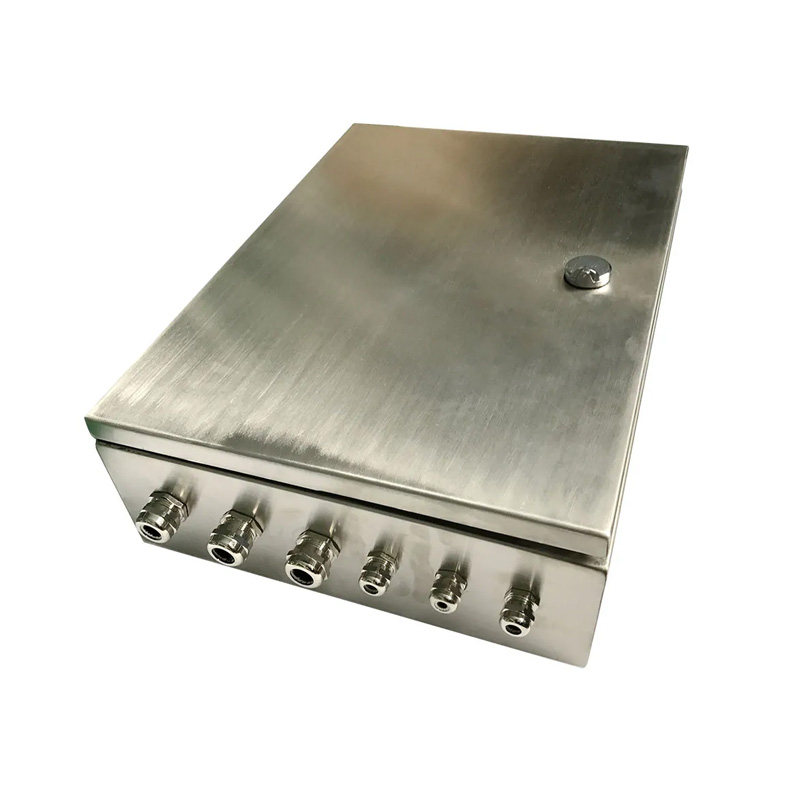
Multi-Layer Synchronized Lighting Systems
Very tall or architecturally complex towers require multi-level obstruction lighting — evenly distributed mid-layer lights combined with top-layer high-intensity beacons, all synchronized to flash together. YFFY’s GPS-based synchronization controllers coordinate lighting across every layer and every building face, ensuring full compliance on the most demanding supertall projects.
Why Developers, Architects & Facility Managers Choose YFFY Lights ?
- Factory-Direct Manufacturing — Own R&D and production facility, eliminating trading-company markups on large tower and multi-building projects.
- Full Compliance Documentation — ICAO Annex 14 and FAA AC 70/7460-1L compliant products, with photometric test reports and ISO 9001 certification for building permit and tender submittals.
- Built for Occupied-Building Reliability — Dual-lamp automatic backup systems reduce the frequency of costly high-altitude maintenance access on occupied structures.
- Engineered for Long-Term Outdoor Exposure — Anti-UV PC lampshades, IP65+ waterproof ratings, and lightning-protected circuitry designed for years of unattended rooftop operation.
- 50,000+ Hour LED Lifespan — Minimizes replacement frequency and total cost of ownership across a building’s operational life.
- Skyline-Conscious Design Options — Solar-powered and low-profile fixture options support architectural and energy-efficiency priorities without compromising compliance.
- Global Project Experience — Supplied building and high-rise obstruction lighting for commercial towers, residential high-rises, hotels, and landmark structures across 80+ countries.
- 12-Hour Response, 1–3 Year Warranty — Dedicated project engineers, free replacement for non-human damage during warranty, 24-hour after-sales support.
How We Deliver Your Building Obstruction Lighting Project
- Free Compliance Consultation — Share your building height, footprint, and location; our engineers confirm the required light type, layer configuration, and synchronization approach within 12 hours.
- Custom Quotation & Datasheets — Receive factory pricing, technical drawings, and compliance certificates for building permits, MEP submittals, or tender documentation.
- Production & Quality Inspection — Pre-production parts inspection, appearance/function testing before shipment, and instant tracking updates.
- Global Shipping & Installation Support — Products shipped worldwide with installation guides and technical support during rooftop commissioning.
- After-Sales & Maintenance — 24-hour support, 1–3 year warranty, and maintenance manuals designed to minimize rooftop access requirements on occupied buildings.
Chimney Lighting Compliance Standards
ICAO Annex 14
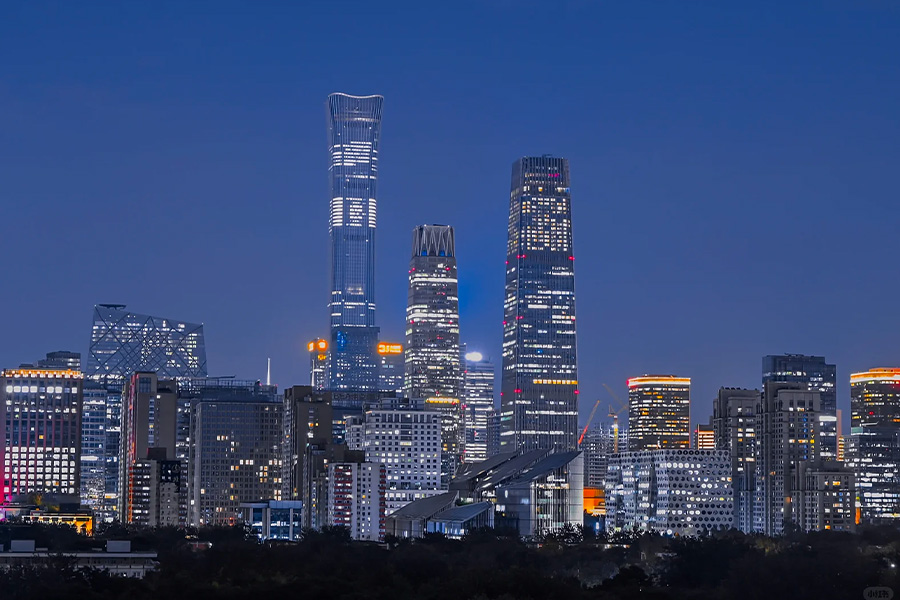
ICAO Annex 14 — Aerodromes sets the global baseline for obstacle marking and lighting, referenced by most national aviation authorities when regulating high-rise building lighting near flight paths, helicopter corridors, and urban airspace.
FAA AC 70/7460-1L
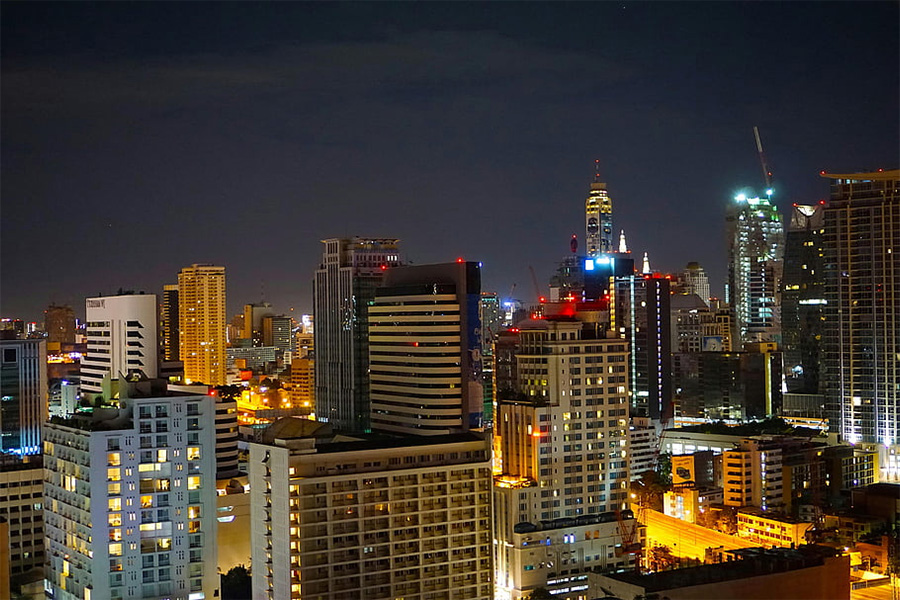
In the United States, the FAA Advisory Circular 70/7460-1L defines specific obstruction light types for buildings subject to FAA determination — L-810 (red, low intensity), L-864 (red, medium intensity), and L-865 (white, medium/high intensity) — based on building height and proximity to airports.
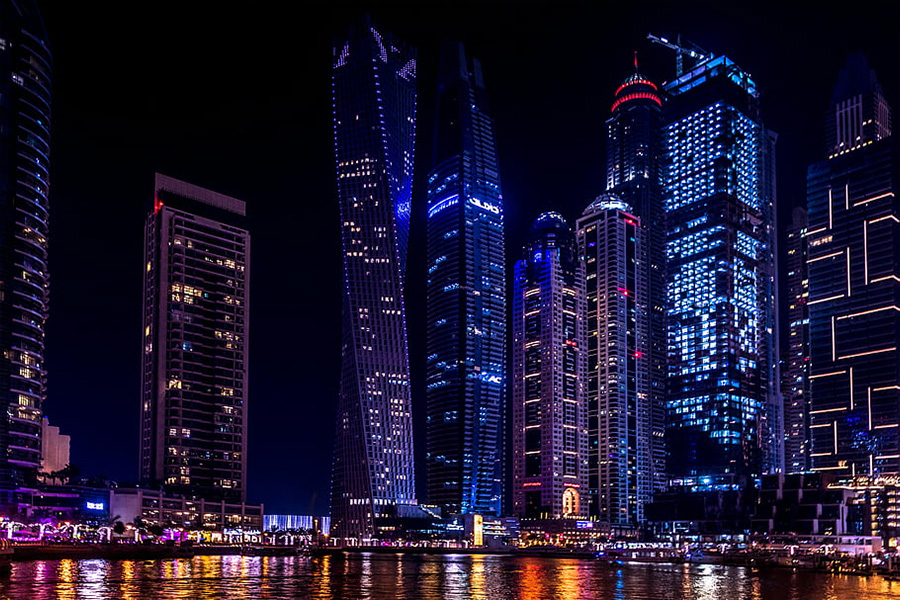
Beyond national aviation authority requirements, many cities enforce local dark-sky ordinances, light-pollution limits, and rooftop equipment permitting rules that affect how obstruction lights can be installed and operated on buildings — particularly for landmark towers in dense urban centers. YFFY Lights supports project teams with country-specific and city-level compliance guidance on request.
Engineering Resources
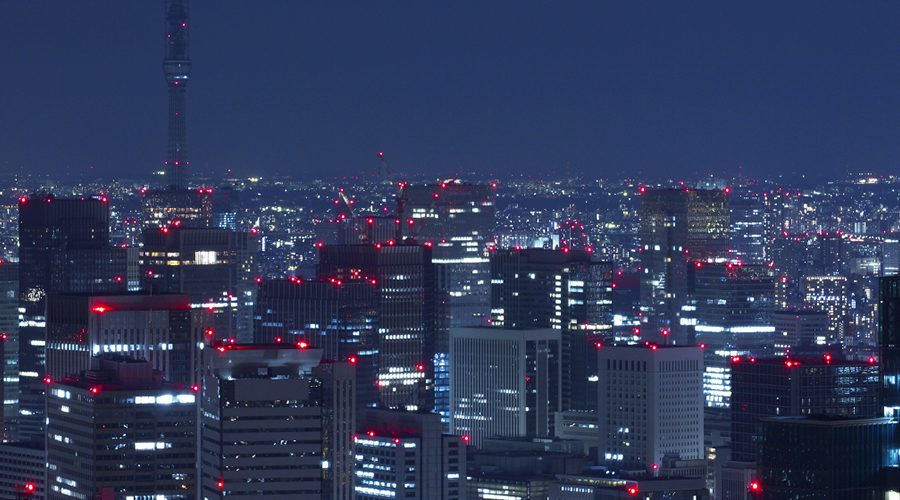
Building obstruction lights, also known as aviation obstruction lights, are special lights mounted on buildings or other obstructions to warn aircraft at night or in low visibility.
They are commonly installed on structures such as high-rise buildings, bridges, chimneys, and transmission towers to ensure flight safety. Obstruction warning lights are typically red, white, or yellow, and the type and brightness of the lights vary depending on the height and environmental conditions.
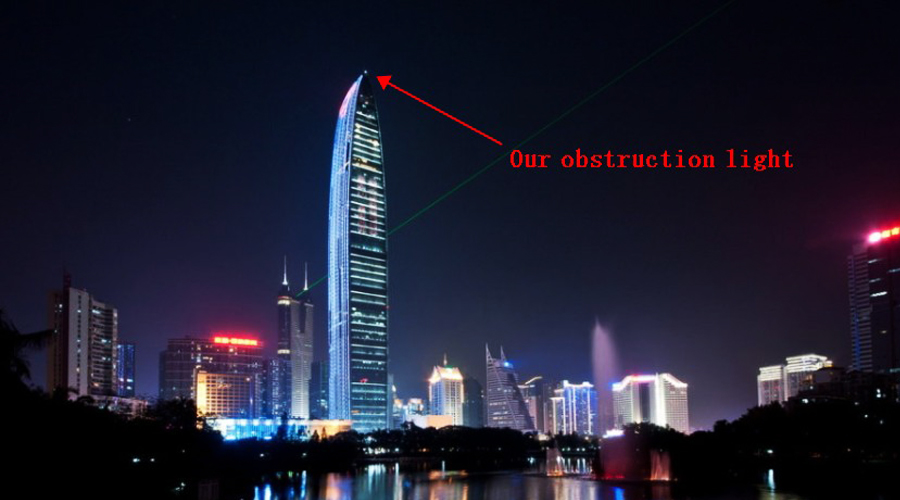
High intensity obstacle lights the setting is mainly reflected in high light intensity, high installation height and brighter light source. They are different from ordinary aviation obstruction lights.
Next, we will take you to learn more about high-intensity aviation lights.
Setting Requirements of High Intensity Obstacle Lights
a) When the height of the obstacle (whether it is an artificial obstacle or a natural obstacle) exceeds 150 meters, a high-intensity high-altitude obstruction light needs to be installed.
Applications
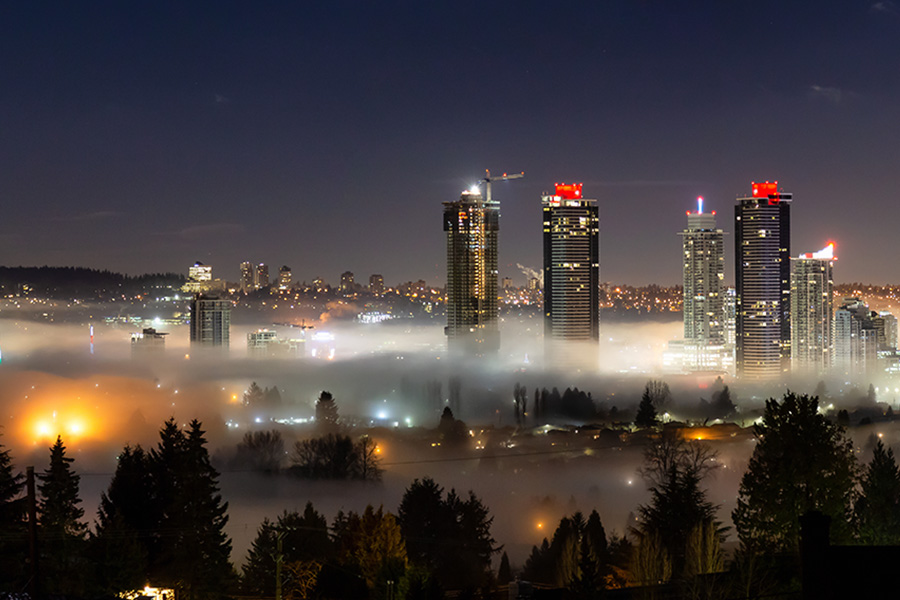
Commercial Skyscrapers & Office Towers

High-Rise Residential & Mixed-Use Buildings
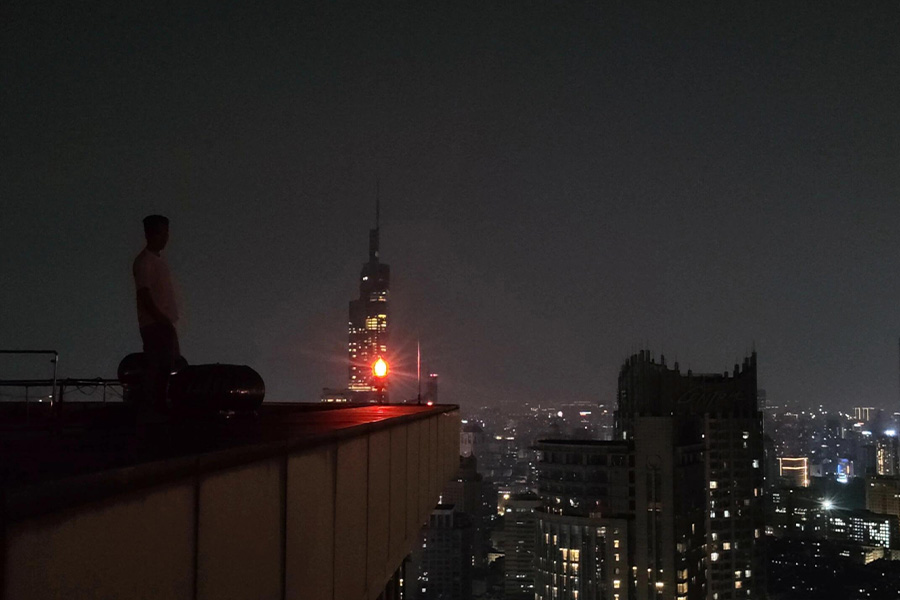
Hotels & Hospitality Towers
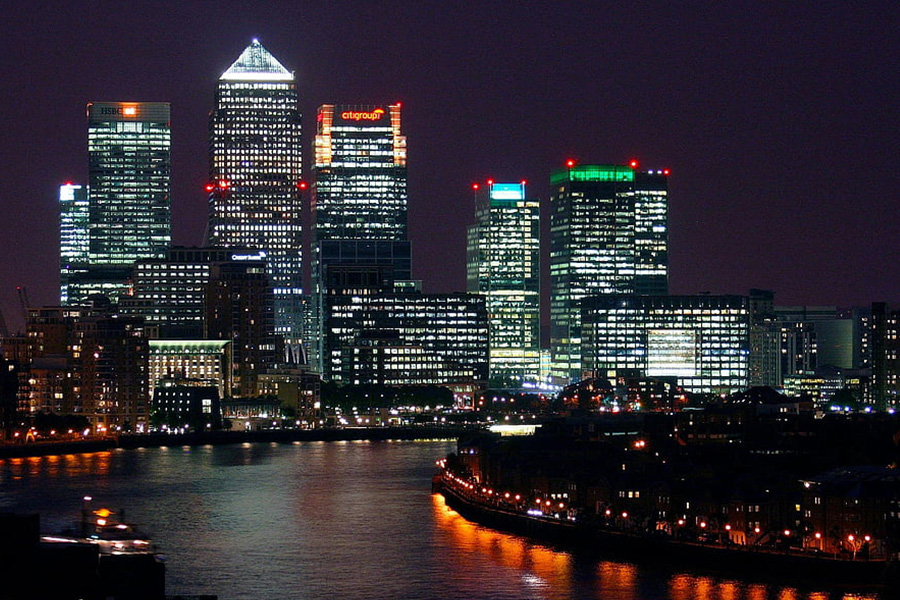
Government & Landmark Buildings
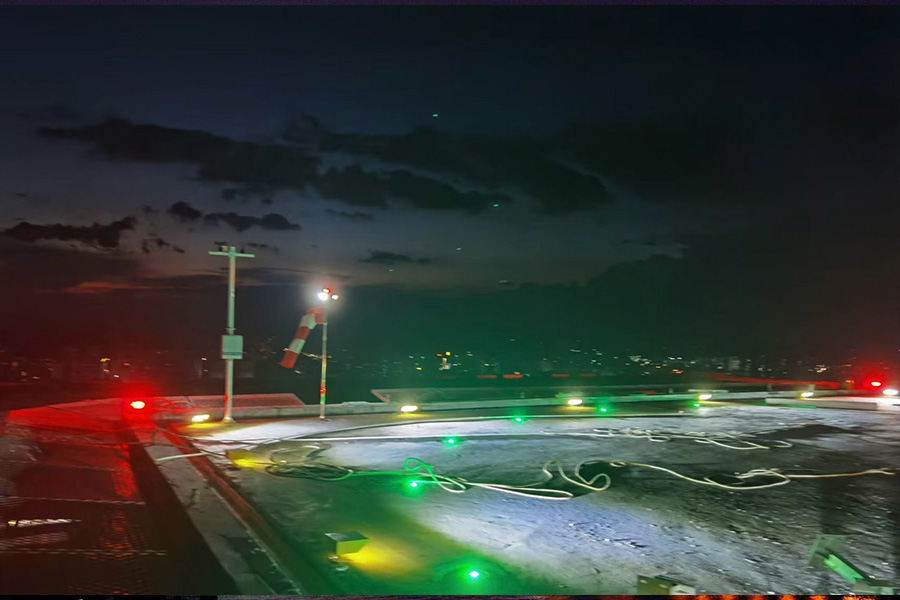
Hospitals with Rooftop Helipads

Industrial & Warehouse High-Point Structures
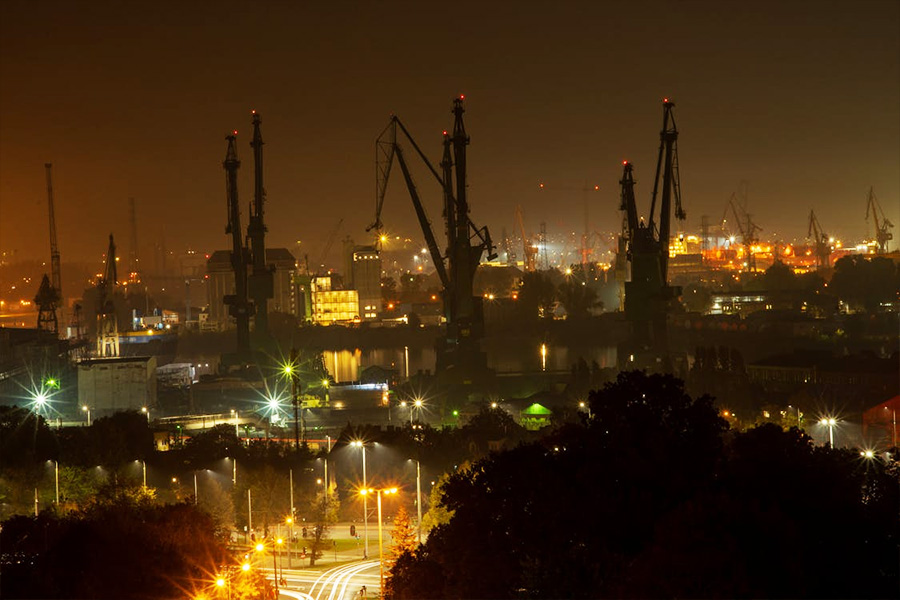
Rooftop Equipment (Cranes, Antennas, Water Tanks) Requiring Marking

Building Obstacle Lights
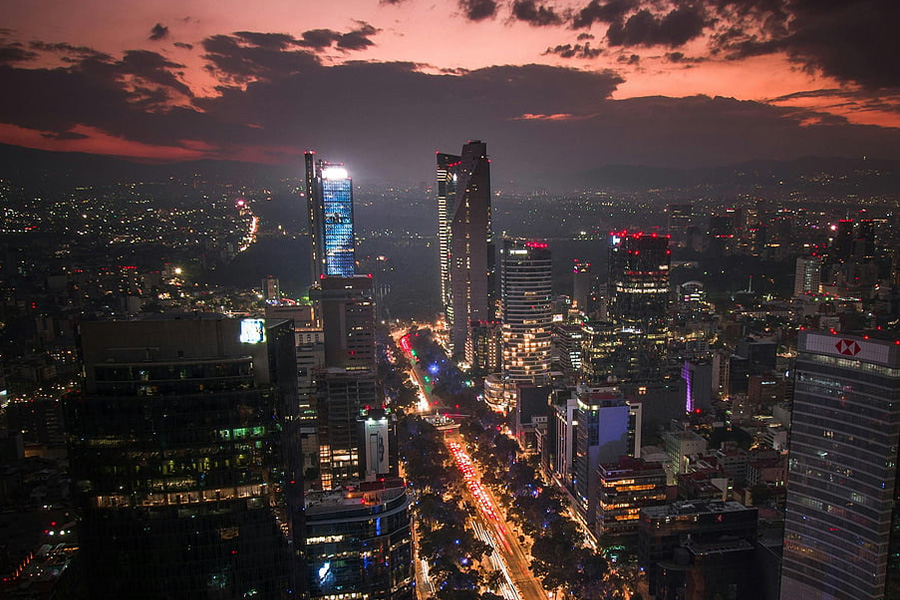
high-rise aviation warning light
Frequently Asked Questions
Most jurisdictions require obstruction lighting for structures exceeding 45 meters (150 feet), though exact thresholds and additional requirements (such as proximity to airports or helicopter routes) vary by country. Confirm with your local civil aviation authority — our engineers can pre-check this during design.
Yes. Aviation authorities generally require the full outline of a structure to remain visible from any direction. Wide, tiered, or irregularly shaped buildings typically need multiple evenly distributed rooftop lights, and for very tall structures, additional mid-level “waist lights” synchronized with the top-layer beacon.
A dual-lamp fixture houses two independent LED modules in a single unit — if one fails, the second maintains compliance automatically. This is strongly recommended for occupied high-rise buildings, where rooftop access for emergency repairs is costly, disruptive, and often requires special permits or equipment.
Yes. Obstruction lights should be installed with surge-protected circuitry compatible with the building’s existing lightning protection network, since rooftop fixtures are among the most lightning-exposed components on any structure.
Properly selected and positioned obstruction lights are designed to meet aviation safety requirements while minimizing visual impact — using appropriate intensity levels, automatic day/night switching, and, where relevant, solar-powered or lower-profile fixture options. Always confirm compliance with municipal dark-sky or lighting-pollution ordinances alongside aviation authority requirements.
Yes. YFFY Lights provides ICAO/FAA compliance documentation, photometric test reports, and ISO 9001 certification to support building permit applications, MEP contractor submittals, and developer procurement requirements.