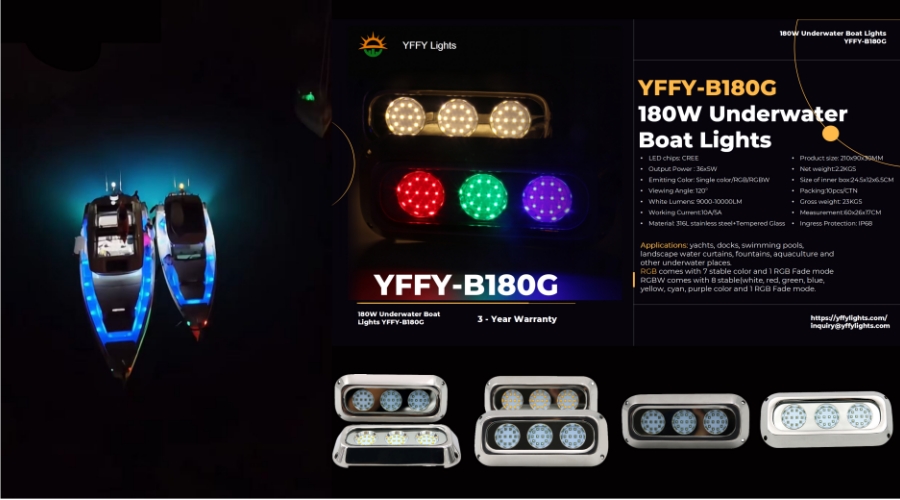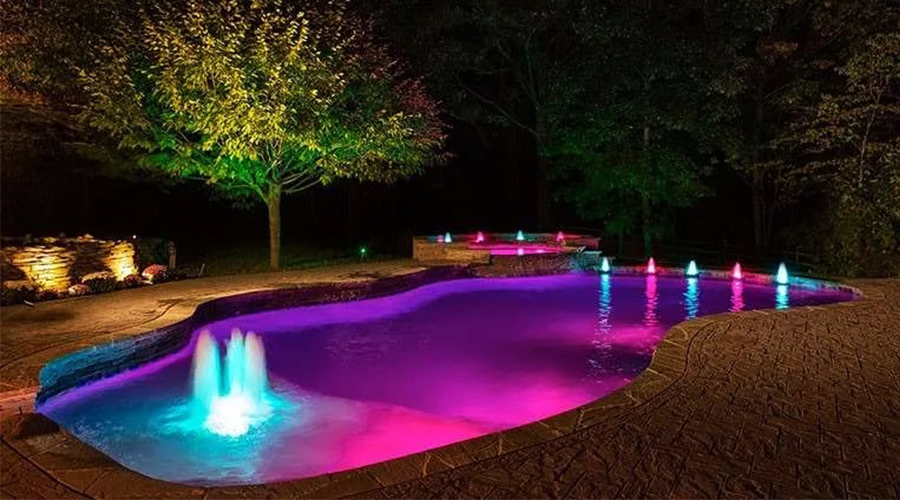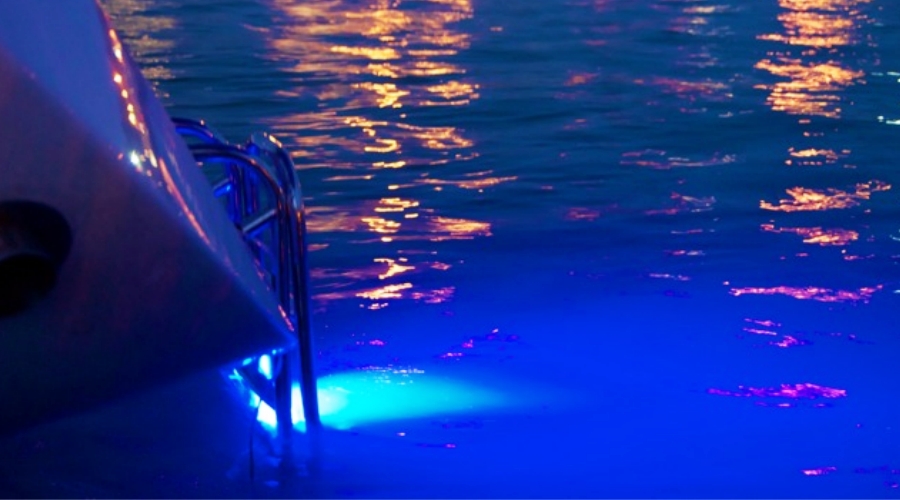
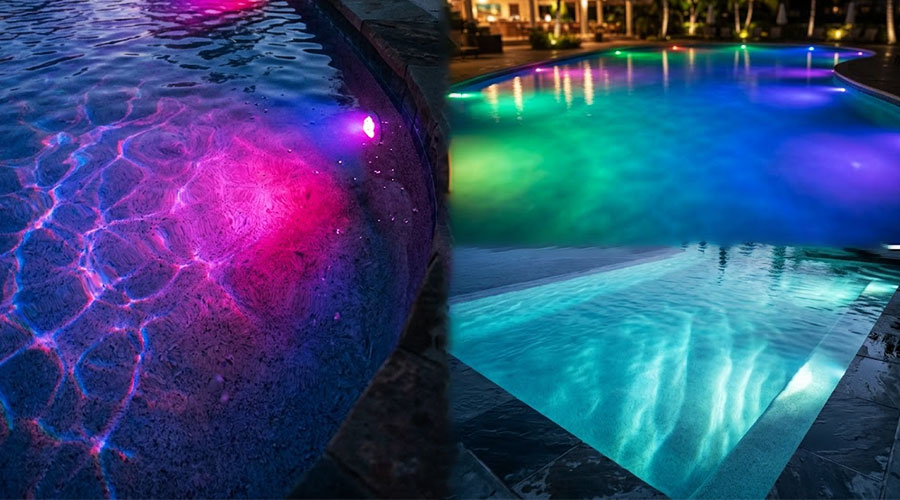
In modern pool construction and landscape upgrades, lighting design not only ensures night swimming safety but also serves as the core element for enhancing ambient atmosphere. Among various lighting options, the LED underwater pool light has become the market’s mainstream choice thanks to its high brightness, energy efficiency, and vibrant color variations. This article provides an in-depth look at the technical advantages, standard installation procedures, and key maintenance details of the surface mounted pool light.
1. Major Types of Swimming Pool Lights: A Comparative Overview
When categorized by installation method, commercially available swimming pool underwater lights mainly fall into three primary categories:
- Surface Mounted Pool Light
- Features: Features a sleek, thin body mounted directly onto the pool wall surface, requiring only a single cable outlet behind it.
- Advantages: Simple installation process. Compared to recessed pool lights that require cutting large cavities in the wall, it eliminates the need for pre-embedded large housings, significantly reducing the risk of damaging the pool’s waterproofing layer. It serves as a highly cost-effective and easy-to-maintain solution for both new pool builds and retrofitting existing pool lamps.
- Recessed / Niche Pool Light
- Features: Requires pre-embedding a large plastic or stainless steel niche inside the wall during the civil engineering stage, where the underwater light fixture fits flush inside.
- Advantages: Sits nearly completely flush with the wall for a seamless look; however, installation complexity is high, and waterproofing requirements are exceptionally strict.
- Plug-in / No-Niche Light
- Features: Utilizes standard 1.5-inch or 2-inch pipe fittings or return inlets for direct plug-in mounting.
- Advantages: Mainly used for smaller SPA tubs, hydrotherapy pools, or localized accent lighting.
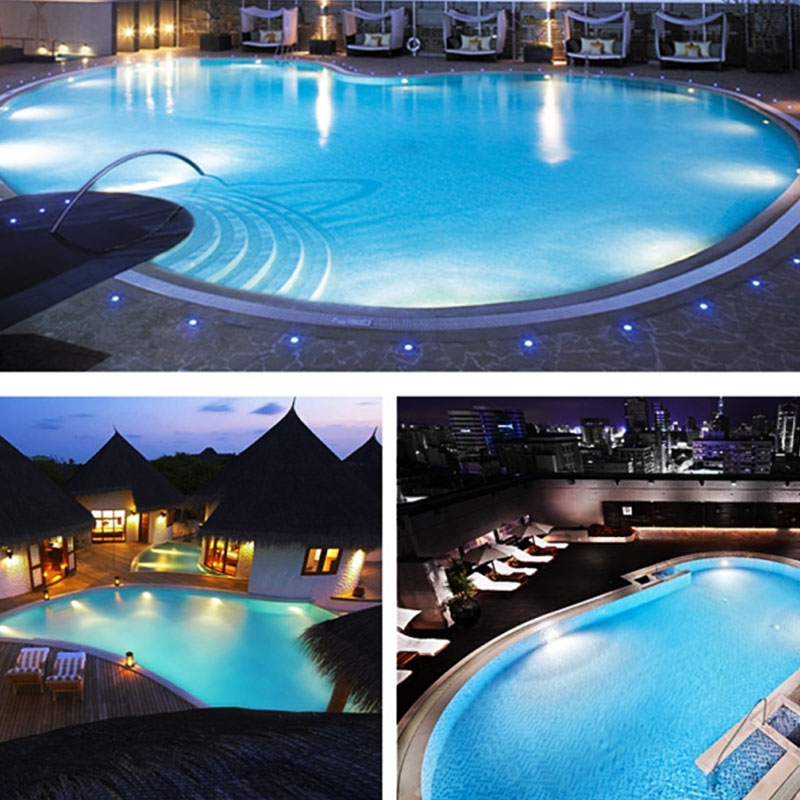
2. Standard Guidelines & Step-by-Step Installation Process for Surface Mounted Pool Light
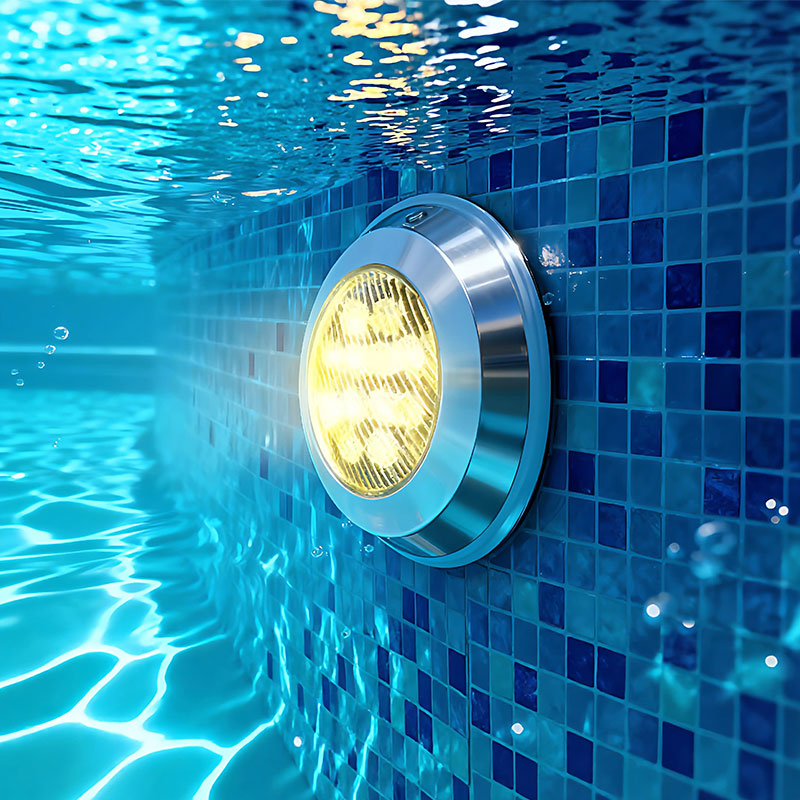
A typical surface mounted pool light features a compact design protruding slightly from the pool wall. Instead of embedding large housings in concrete, this type of LED underwater pool light mounts directly onto the wall surface via a dedicated bracket or mounting plate.
The standard installation procedure for a surface mounted pool light is as follows:
Step 1: Preliminary Pre-embedding (Conduits and Cable Routes)
- Pre-embed Conduit: During the pool civil engineering phase (before pouring concrete), pre-embed a waterproof conduit at designated light locations leading directly to a junction box outside the pool.
- Determine Mounting Height: Position the center of the swimming pool lights roughly 30 to 50 cm (approx. 1 foot) below the waterline. This depth delivers optimal underwater illumination beam spread while allowing poolside access for future maintenance without draining the pool.
Step 2: Mounting Plate and Bracket Fixation
- After pool tiling or mosaic application and waterproofing are complete, place the plastic or stainless steel mounting plate of the surface mounted pool light against the wall at the conduit exit.
- Drill holes into the tiles, insert expansion plugs, and securely lock the bracket to the pool wall using stainless steel screws.
Step 3: Wiring and Waterproof Sealing
- Reserve Extra Cable Length: Thread the waterproof cable attached to the underwater light through the conduit. Crucial: Wind and reserve 1 to 1.5 meters of extra cable inside the light fixture back groove or bracket. This extra slack allows you to detach the pool lamp and lift it onto the deck for maintenance without draining pool water.
- Waterproof Sealing: Apply professional waterproof sealant, silicone, or IP68 cable glands at the conduit outlet and wiring connections to prevent pool water from leaking through the conduit.
Step 4: Securing the Pool Lamp Fixture
- Tuck the reserved cable neatly into the channel behind the light body.
- Snap the main LED underwater pool light body onto the fixed bracket on the pool wall, and lock it tight with side or bottom stainless steel locking screws to prevent displacement from water flow or swimmer impact.
⚠️ Core Safety Requirements for Pool Lights
- Must Use Safe Low Voltage: A low-voltage surface mounted pool light must NEVER connect directly to 220V/110V mains power. Always connect through a transformer delivering AC12V or DC24V safe low voltage. Install the transformer in a dry distribution box set back from the pool perimeter.
- Never Test Dry (No-Water Operation Prohibited): High-power LED underwater pool lights generate substantial heat during operation and rely entirely on surrounding pool water for heat dissipation. Never power on the swimming pool lights for more than a couple of minutes before filling the pool, or the LED chips and casing may overheat, melt, or burn out.
- IP68 Ingress Protection Rating: Ensure both the underwater light fixtures and cable connectors strictly meet the IP68 waterproof rating.
3. Transformer Sizing and Voltage Drop Prevention for Underwater Lighting
When installing a surface mounted pool light system, proper transformer sizing and wiring design are essential to prevent flickering, inconsistent brightness, or premature failure of your pool lights:
1. Transformer Power Matching (20% Power Margin Rule)
Low-voltage transformers experience power loss during startup and continuous operation. The rated power of the transformer must not merely match the total wattage of all pool lamps; it requires a 20% to 25% safety redundancy margin.
- Calculation Formula: Transformer ower = (Wattage of Single Lamp × Number of Lamps) × 1.25
- Example: If installing four 18W LED underwater pool light units (totaling 72W), calculate transformer capacity as: 72W × 1.25 = 90W. Select a transformer rated at 100W or higher.
2. Preventing Voltage Drop on Long Cable Runs
AC12V low-voltage power experiences noticeable voltage attenuation over long distances, which can cause the furthest surface mounted pool light from the transformer to appear dimmer or show color unsynchronization.
- Installation Advice: If cable distance from the transformer to the furthest underwater light exceeds 15 meters, increase the main cable wire gauge (e.g., 2.5 mm² copper cable) or use a center-fed/ring wiring layout to maintain stable terminal voltage across every pool lamp.
To help us provide you with more precise guidance, could you please let us know:
- Is your pool already built and undergoing a retrofit, or is it currently in the civil construction phase?
- Is the pool structure made of concrete with tiles/mosaics, or is it a steel structure with a pool liner?