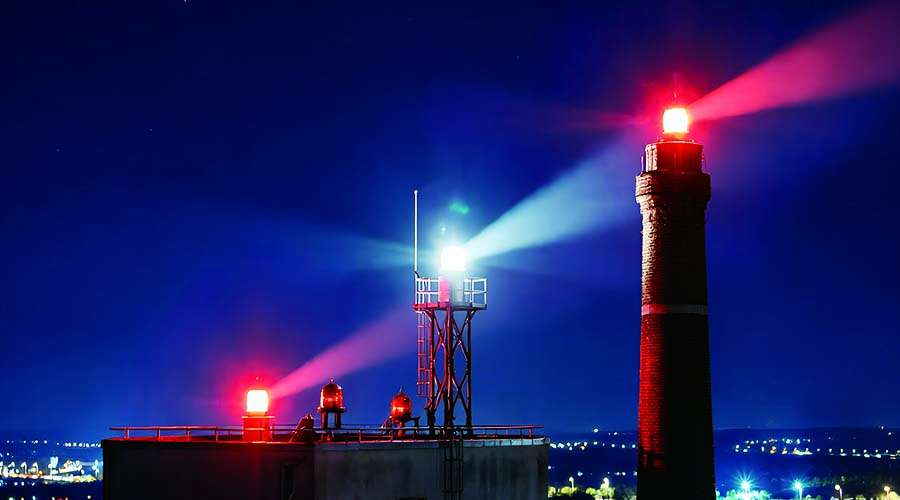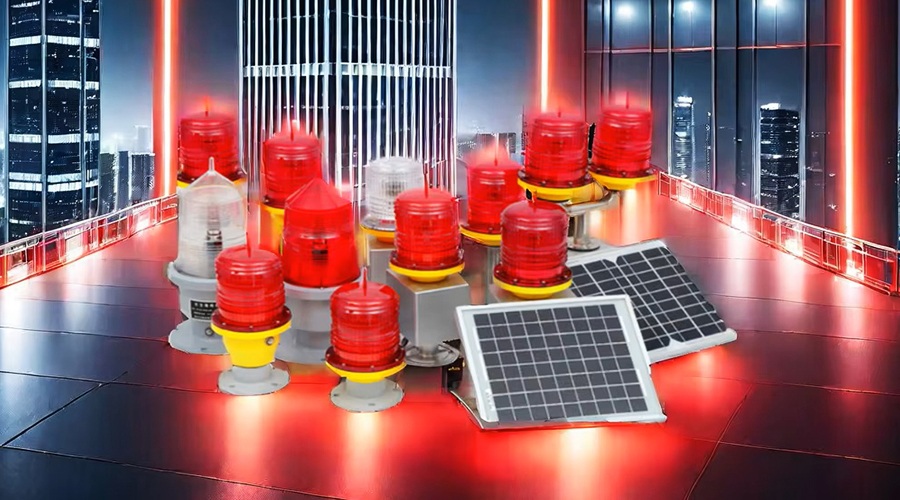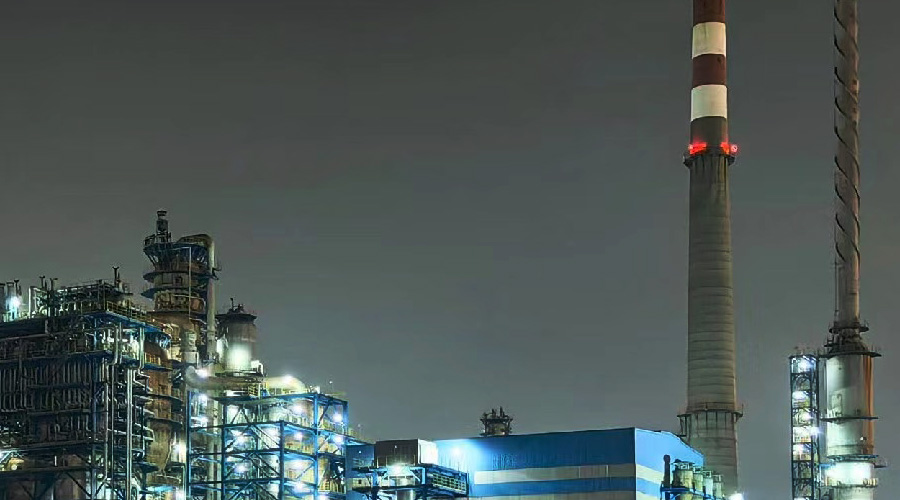
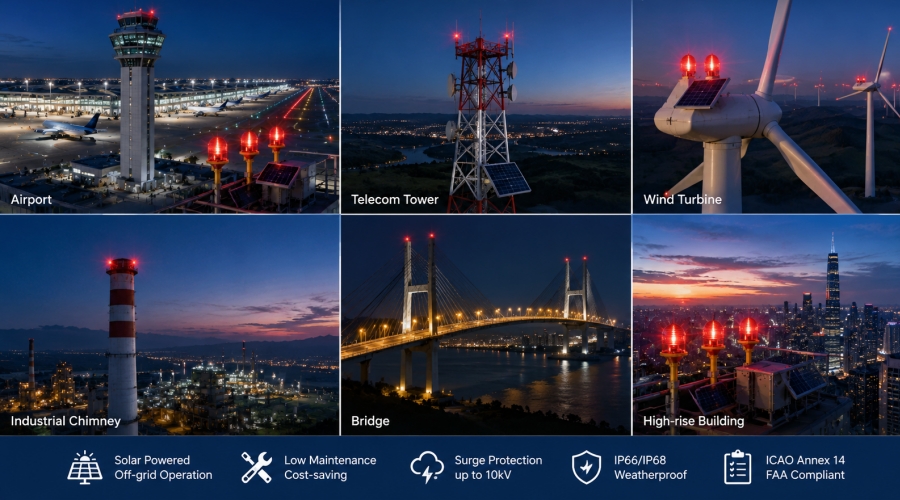
For telecom towers in Texas, high-rise buildings in central London, or wind farms along the Asia-Pacific coastline, Aviation Obstruction Lights are far more than compliance equipment—they are critical safety systems that help ensure aviation visibility and airspace safety.
However, many aviaition lights project owners still underestimate the long-term operational costs associated with these systems.
High-altitude installations typically involve:
- Expensive installation and maintenance labor
- Specialized climbing equipment and safety permits
- Emergency repair and service dispatch costs
When low-quality lighting systems are selected, they often become a recurring maintenance burden over time.
As a result, more infrastructure projects are turning to low-maintenance solar aviation obstruction lights to improve reliability while reducing long-term maintenance requirements.
Hidden Costs of Aviation Obstruction Lights: Purchase Price vs. Total Cost of Ownership (TCO)
One of the most common mistakes in infrastructure procurement is focusing solely on the initial purchase price while overlooking the TCO.
Taking a 100-meter telecommunications tower as an example over a 5–10 year operational period:
| Cost Factor | Conventional Obstruction Lights | Solar LED Aviation Obstruction Lights |
|---|---|---|
| Service Life | 2–5 years (highly environment-dependent) | 5–10 years system lifespan |
| Power Source | Grid-powered, requiring extensive cabling | Solar-powered, off-grid operation |
| Maintenance Cost | High (requires climbing and elevated work) | Low maintenance frequency |
| Operational Risk | Higher risk of power or lamp failure | Lower risk with smart monitoring systems |
👉 Key Takeaway: The true cost of an obstruction lighting system is not the light itself—it is the maintenance and high-altitude servicing.

How Aviation Obstruction Lights Perform in Different Environments?
1. Coastal High-Salt Environments
In regions such as the North Sea, the Caribbean, and Southeast Asian coastlines, salt corrosion is one of the leading causes of equipment failure.
High-quality solar aviation obstruction lights typically feature:
- Marine-grade aluminum alloy housing
- UV-resistant polycarbonate (PC) lenses
- IP66–IP68 waterproof sealing
These features help significantly reduce corrosion-related failures and replacement frequency.
2. Remote Off-Grid Infrastructure (The Advantage of Solar Power)
For remote telecom towers, mountain monitoring stations, and desert wind farms, grid access is often expensive or unavailable.
In these situations, solar aviation obstruction lights provide an ideal solution through:
- Integrated solar power systems
- LiFePO₄ (Lithium Iron Phosphate) battery storage
- Automatic dusk-to-dawn operation
When properly designed, solar obstruction lights can continue operating reliably for 5–20 days during periods of low sunlight.
3. Aviation Obstruction Lights in Thunderstorms and Extreme Weather
In lightning-prone regions, aviation obstacle lights must be equipped with surge protection.
Professional-grade LED aviation lights typically include:
- Surge protection up to 10kV
- Reinforced circuit design
- Optional redundant circuit configurations
These features help improve system reliability during severe weather events.
Why Low-Maintenance Designs Improve ROI
From an operational perspective, solar aviation obstruction lights provide three key benefits:
1. Reduced Maintenance Frequency
Fewer maintenance visits mean lower labor and equipment costs.
2. Improved Compliance Reliability
Stable operation helps reduce the risk of aviation compliance violations.
3. Lower Total Cost of Ownership
The greatest cost savings come from:
- Fewer maintenance interventions
- Reduced downtime risk
- Longer replacement intervals
Solar Aviation Obstruction Lights vs. Traditional Aviation Lights Systems
Solar-powered systems are increasingly being deployed on:
- Telecommunications towers
- Wind turbines
- Bridges
- Industrial chimneys
- Remote monitoring facilities
Their key advantages include:
- Off-grid operation
- Reduced cabling and installation costs
- Faster deployment
- Greater flexibility for infrastructure projects
Compliance Standards
Professional aviation obstruction lights are generally designed in accordance with:
- ICAO Annex 14 (International Civil Aviation Organization)
- FAA Advisory Circulars (such as L-810 and L-864 specifications)
⚠️ Important Note: These are design and compliance standards, not manufacturer certifications issued directly by ICAO or FAA.
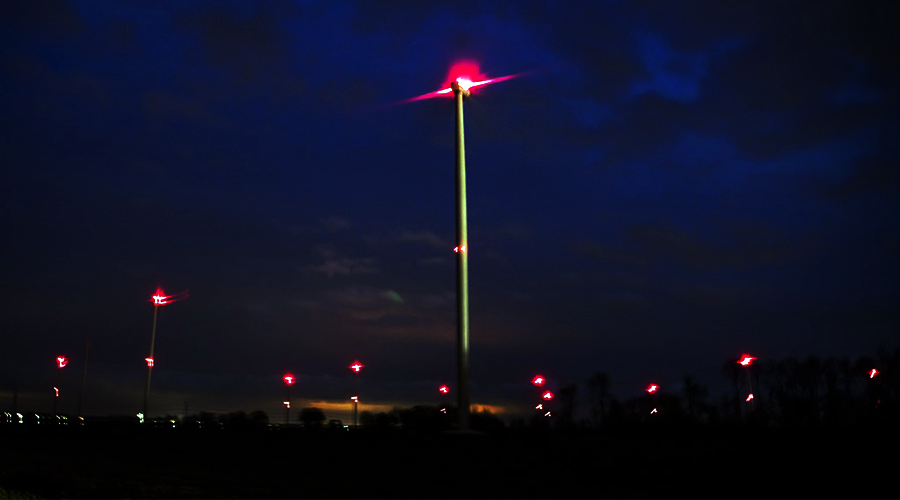
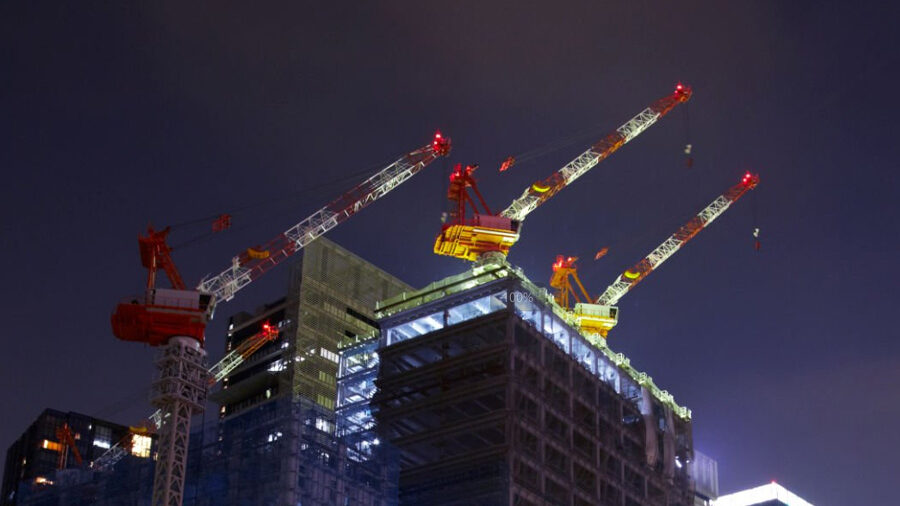
Aviation Obstruction Lights Case Study Demonstration
FAQ
Q1: What Happens If a High-altitude LED Aviation Obstruction Light Fails?
Professional obstruction lighting systems, such as selected models from YFFY, support dual-circuit redundancy or fault alarm functions. These features provide early warning of failures and help prevent dangerous “dark tower” situations.
Q2: Can Solar Aviation Obstruction Lights Operate During Winter or Extended Cloudy Weather?
Yes.
Systems equipped with LiFePO₄ batteries and high-efficiency solar panels can provide several days—or even longer—of autonomous operation when properly configured.
Q3: How Do I Choose Between Low-, Medium-, and High-Intensity Aviation Obstruction Lights?
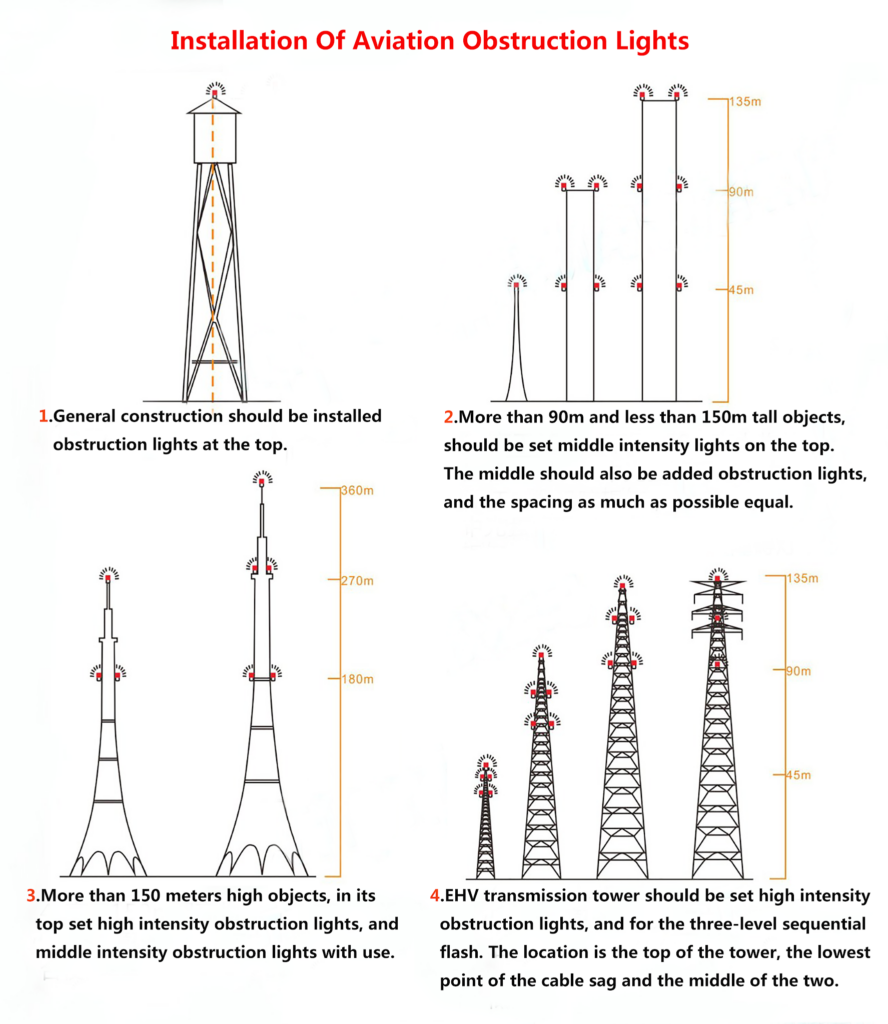
The classification of aircraft warning lights is primarily based on ICAO Annex 14 requirements and typically considers installation height, light intensity, flashing characteristics, and color.
🟢 Low-Intensity Obstruction Lights
- Color: Steady Red
- Typical Structure Height: Up to 45 meters
- Common Applications:
- Small telecommunications towers
- Low-rise buildings
- Industrial chimneys
Features: Simple and economical solutions for marking low-height obstacles.
🟠 Medium-Intensity Obstruction Lights
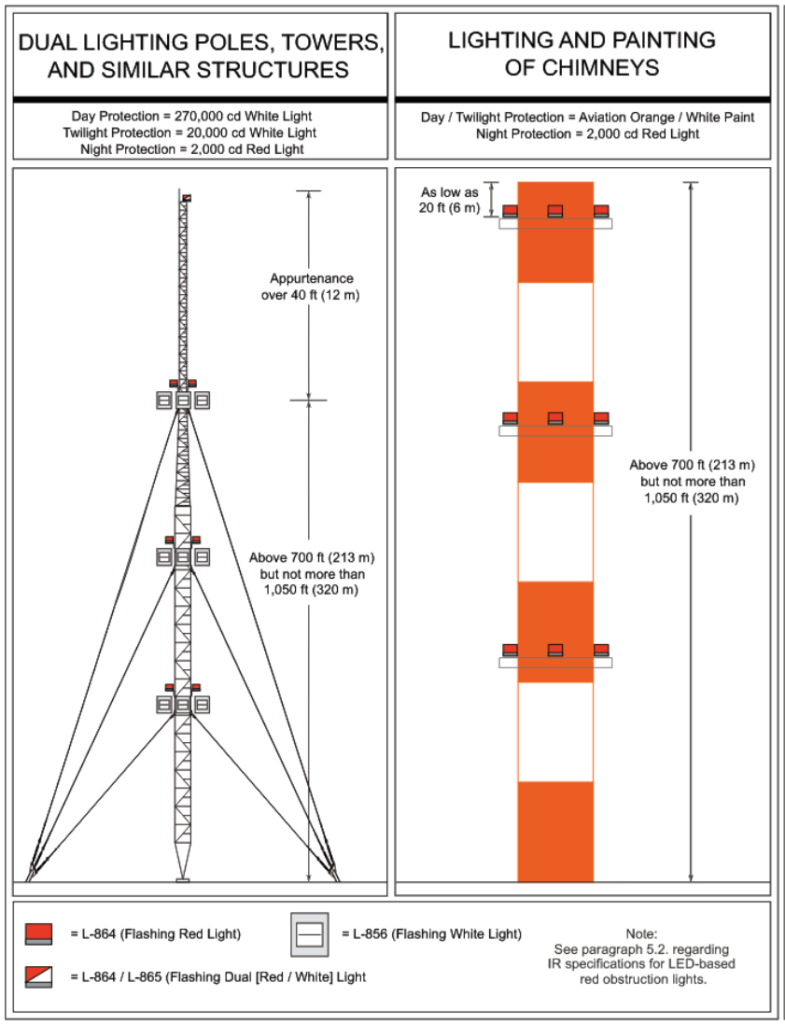
Medium-intensity lights are commonly available in several ICAO categories.
Type A
- Color: White Flashing
- Typical Structure Height: Approximately 45–150 meters
Type B
- Color: Red Flashing
- Typical Structure Height: Approximately 45–150 meters
Type C
- Color: Steady Red
- Primarily used for nighttime marking applications
Features:
- Widely used on high-rise buildings, bridges, chimneys, and telecom towers
- White flashing lights provide enhanced daytime visibility
🔴 High-Intensity Obstruction Lights
- Color: White Flashing
- Typical Structure Height: Above 150 meters
- Common Applications:
- Skyscrapers
- Large wind turbines
- Tall towers and super-tall structures
Features:
- Long-distance visibility
- Automatic intensity adjustment for daytime, twilight, and nighttime conditions
Engineering Note
In practice, aviation lighting selection is determined not only by structure height, but also by:
- Proximity to airport flight paths
- Surrounding terrain and obstructions
- Local FAA or ICAO regulations
- Structure type (tower, building, wind turbine, chimney, etc.)
Therefore, final lighting configurations should always be verified through a professional compliance assessment.
Q4: How Can You Choose the Right Aviation Obstruction Light System to Reduce Long-Term Costs?
When selecting an aviation obstruction lighting system, it is recommended to focus on the following four key factors:
LED Lifespan
- Recommended: ≥ 50,000 hours
Protection Rating
- Minimum: IP66 or IP67
- For coastal and high-salt environments: IP68 is recommended
Housing Material
- Marine-grade aluminum alloy or stainless steel
- SS316 stainless steel is particularly suitable for salt-spray and corrosive environments
Power Supply System
- Low-voltage systems (12V / 24V)
- Standalone solar-powered systems for off-grid applications
👉 These factors directly affect maintenance frequency, operational reliability, and the overall Total Cost of Ownership (TCO) throughout the lifecycle of the project.
Q5: Are Solar Aviation Obstruction Lights Suitable for Large Wind Farm Projects?
Yes, they are. However, the system should be designed according to the scale and requirements of the wind farm.
Solar aviation obstruction warning lights are particularly suitable for:
- Individual wind turbines
- Remote wind turbine clusters
- Off-grid locations without reliable utility power
For large-scale wind farms, the lighting system is often integrated with:
- Centralized monitoring systems
- Synchronized flashing control
- Redundant battery backup designs
These features help ensure consistent lighting performance across the entire wind farm while maintaining aviation safety compliance and operational reliability.
Conclusion
Modern Aviation Obstruction Lights, especially low-maintenance solar-powered systems, have evolved beyond simple compliance equipment. They are now an important tool for reducing long-term infrastructure operating costs.
For contractors, developers, and infrastructure owners, the focus is shifting:
👉 From the lowest purchase price
👉 To the lowest total cost of ownership (TCO)
YFFY specializes in the development and manufacturing of LED obstruction lights, solar aviation obstruction lights, and other obstruction warning systems. If you have an upcoming infrastructure project, feel free to CONTACT YFFY LIGHTS for technical consultation and a complete product catalog.