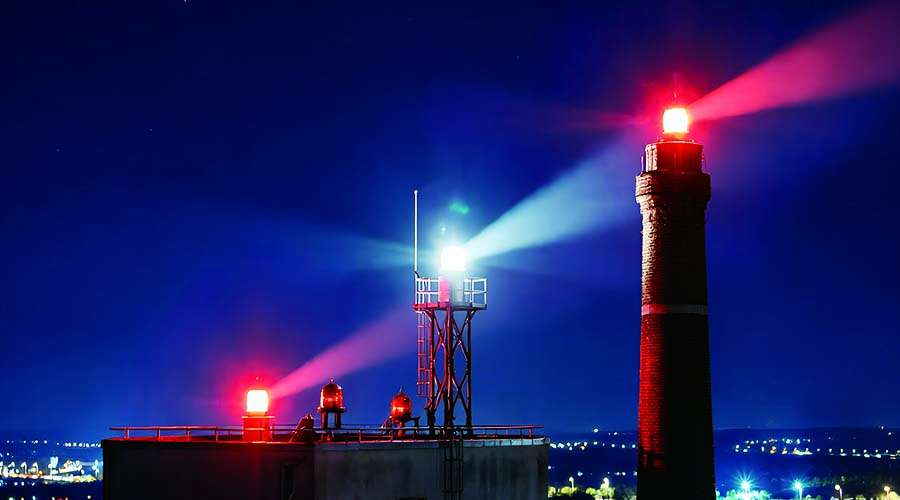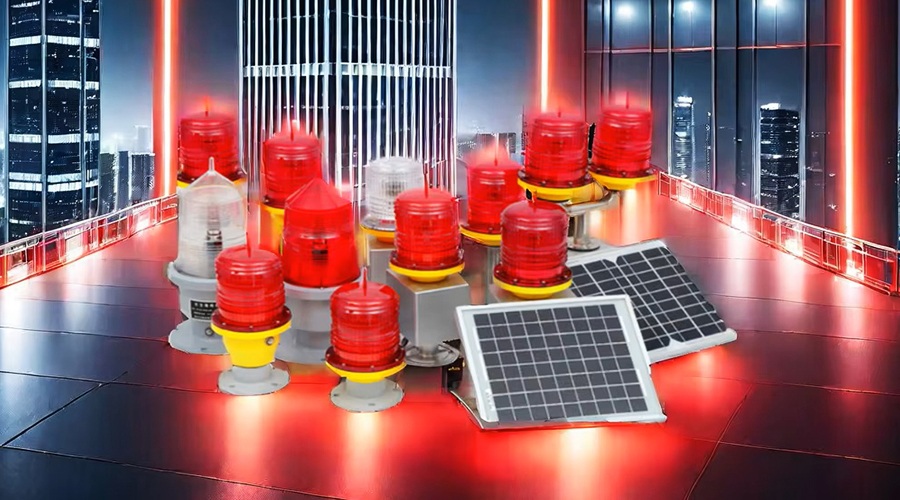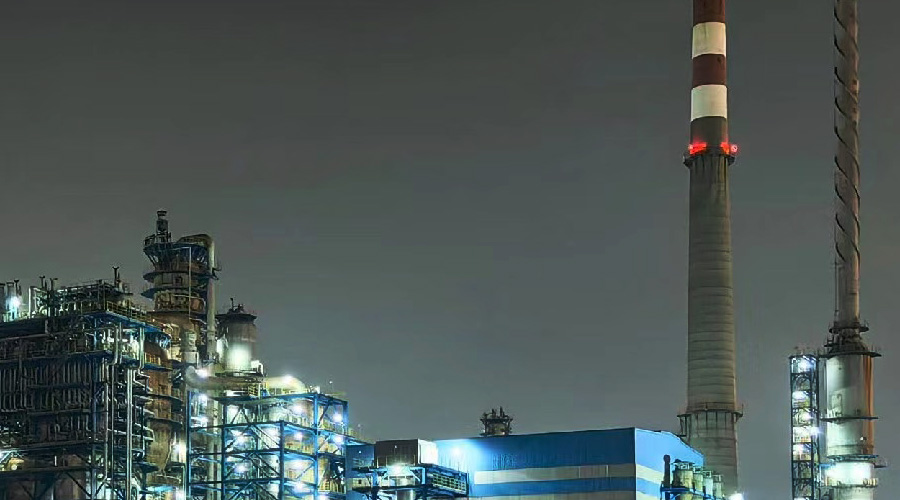
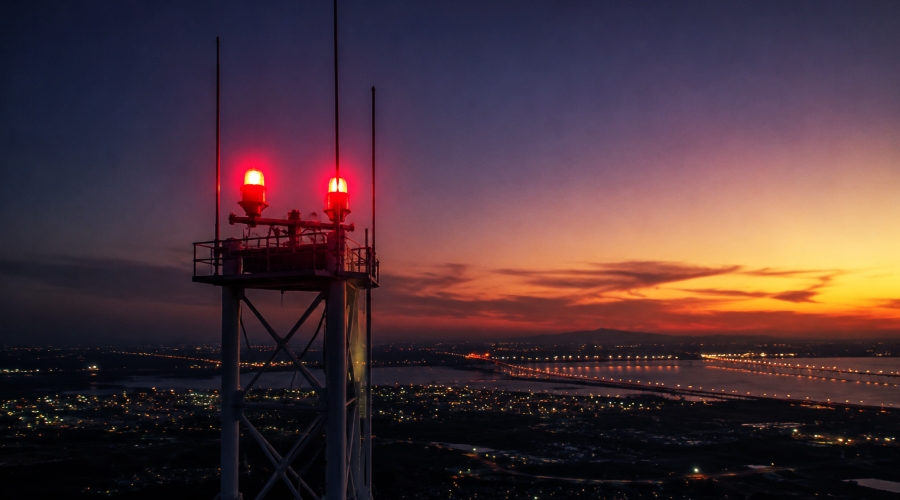
A Double Aviation Obstruction Light is a high-intensity aviation warning light equipped with a primary and backup light source. It is designed to mark tall ground structures and prevent aircraft collisions. When the main light fails, the system automatically switches to the backup light, ensuring continuous 24/7 aviation warning.
With rapid urbanization and industrial expansion, skyscrapers, communication towers, wind turbines, and industrial chimneys are increasingly common. While these structures support economic growth, they also introduce potential risks to low-altitude aviation safety.
According to International Civil Aviation Organization (ICAO) data, properly installed aviation obstruction lights systems can reduce aviation collision risks by over 80%. Among various solutions, double obstruction lights have become a mainstream choice for high-altitude infrastructure due to their built-in redundancy design.
So what exactly is a dual-head aviation obstacle lights, and when is it required? This article explains it based on ICAO standards.
Ⅰ. What Is Double Aviation Obstruction Light?
The dual-head aviation obstruction lights are professional aviation signaling device featuring a dual-lamp structure (main + backup light). Its core design philosophy is zero-interruption safety assurance.
In high-altitude environments, weather conditions can change rapidly. If a single light fails due to lightning, aging, or unexpected faults, the structure may become invisible at night, creating serious aviation hazards.
The system works as follows:
- Normal operation: The service light operates with a photocell, automatically turning on at dusk and off at dawn.
- Failure mode: If the main aviation light fails, the system instantly switches to the standby light, ensuring uninterrupted 24/7 warning coverage.
This automatic redundancy significantly reduces collision risks.
Regulatory Advantage of Double Aviation Obstruction Light
In compliance with ICAO requirements, systems with high-reliability automatic switching may optimize lighting configurations and reduce the need for additional auxiliary marking systems, simplifying engineering complexity and cost.
Ⅱ. When Do You Need a Double Aviation Obstruction Light (ICAO Compliance)?
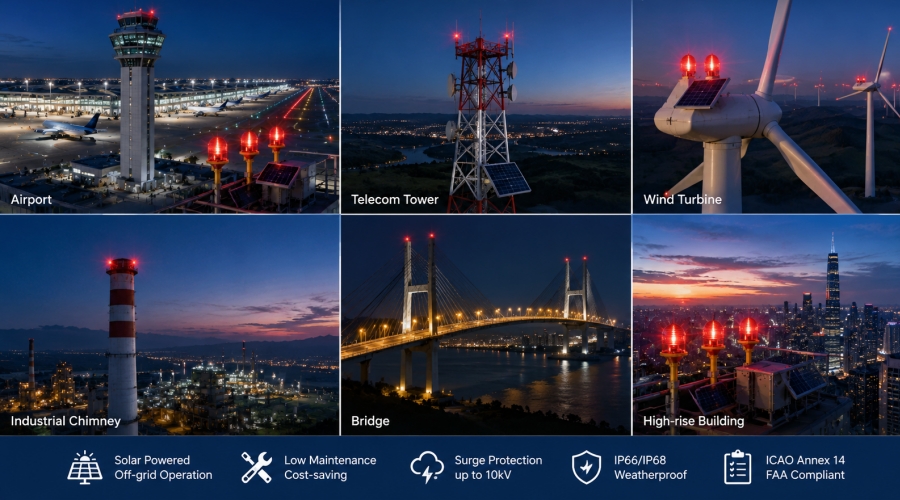
According to ICAO Annex 14 and global aviation authorities, double obstruction lights are strongly recommended or required in the following scenarios:
1. Critical Tall Buildings and Landmark Structures
Including skyscrapers, broadcast towers, bridges, and chimneys—especially structures above 45 meters or located in dense urban areas.
2. Unmanned or Remote Installations
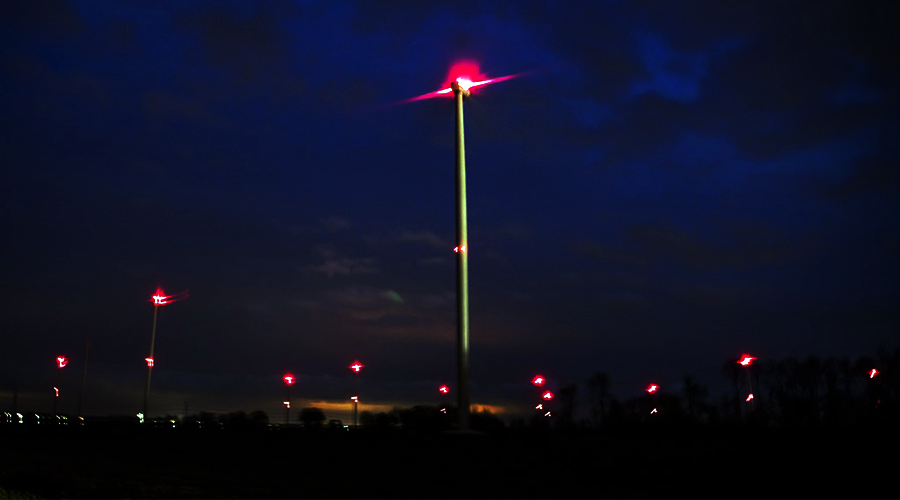
Such as telecom towers, power transmission pylons, and wind turbines. These sites are difficult to access, and the backup system ensures continuous operation even if maintenance is delayed.
3. Night and Low-visibility Environments
Used in low- or medium-intensity red aviation obstruction lighting systems, providing essential safety during fog, heavy rain, or snow conditions.
4. Airport and Low-altitude Flight Corridors
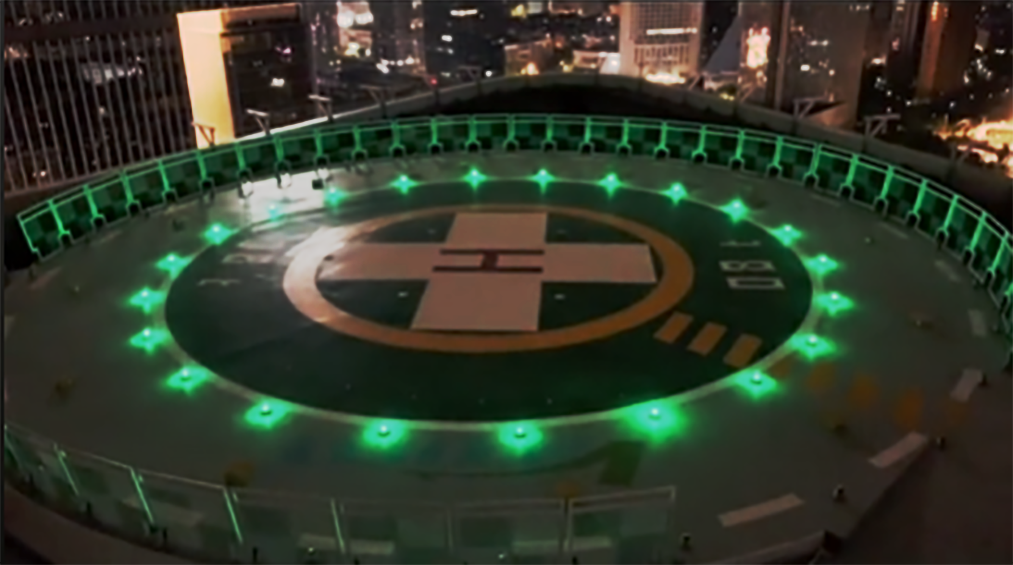
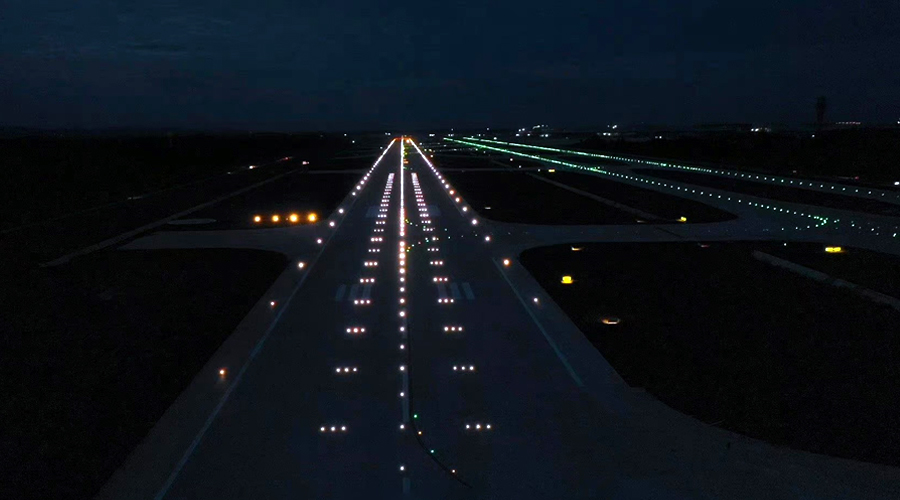
Structures near runways, heliports, or flight paths must maintain 100% operational lighting coverage, making double systems highly recommended.
Ⅲ. Industry-Leading Solution: YFFY-DL10D Double Aviation Obstruction Light
For procurement teams, long-term maintenance cost (OPEX) is a major concern, as high-altitude lighting maintenance requires specialized labor and equipment.
The YFFY-DL10D Double Obstruction Light provides:
- 100,000-hour LED lifespan for long-term, low-maintenance operation
- Smart photocell + automatic switching system, enabling zero-delay failover and remote alarm feedback
- Industrial-grade durability, including UV-resistant PC housing and die-cast aluminum base for harsh environments such as offshore wind farms and coastal regions
Ⅳ. FAQ – Choosing the Right Aviation Obstacle Lights
Q1: How Do I Select Obstruction Lights Based on Height?
- Below 45m: Low-intensity light, red steady or flashing
- 45–150m: Medium intensity light, Type A or B systems
- Above 150m: High-intensity light, white flashing systems
Q2: When Should I Choose Single vs Double Aviation Obstruction Light?
- Single obstruction lights are suitable for urban buildings with easy maintenance access.
- Double aviation lights are recommended for remote, unmanned, or high-risk environments.
Q3: Is Photocell Control Mandatory?
- Yes. Photocell systems are required by aviation regulations to ensure automatic activation based on ambient light conditions (typically 50–500 lux thresholds).
Q4: Special Requirements Near Airports?
- All structures within airport obstacle limitation surfaces must follow strict lighting intensity and glare control standards based on official aerodrome charts.
Q5: How To Ensure Durability in Harsh Environments?
Key requirements include:
- Anti-corrosion materials for coastal/offshore use
- UV-resistant and temperature-resistant housing (-40°C to +55°C)
- Multi-stage surge and lightning protection systems

Aviation obstruction lighting is a highly regulated engineering system requiring precise design based on structure height, location, and air traffic routes.
If you are planning a project, provide the following for a tailored solution:
- Structure height
- Location type (urban, remote, airport vicinity)
- Control or monitoring requirements
And then our sales team will reply you a suit solution and factory offer to you!