Illuminating Indonesia’s New Nickel Export Route: Solar Navigation Lights Solution for Kendari Port
Kendari, located in Southeast Sulawesi, Indonesia, has rapidly evolved from a regional port into a strategic gateway for the country’s booming nickel industry.
With mining giants like Ceria establishing direct shipping routes from the New Kendari Port to Lianyungang, China, in early 2026, nickel-iron products can now be transported seamlessly without transshipment or intermediate stops. This direct route significantly redefines the port’s value in international shipping.
However, increased port throughput and vessel traffic density pose unprecedented challenges to waterway safety and nighttime navigation. In this context, a highly efficient, reliable, and low-maintenance layout for solar marine navigation lights has become critical infrastructure for ensuring maritime safety.
1. Navigational Characteristics of Kendari Fairway
- Main Fairway Depth: 14 – 15.2 meters
- Anchorage Depth: 17.1 – 18.2 meters
- Approach Channel: Water depth narrows rapidly from 200 meters down to 30 – 50 meters
This unique topography—characterized by “deep-water outer seas transitioning to a narrow and shallow approach”—requires high-performance solar marine lights capable of:
- Long-Range Optical Visibility: Providing early guidance as vessels approach from the deep sea.
- Clear Boundary Marking: Clearly defining channel borders in complex near-shore waters.
Furthermore, the port simultaneously serves:
- Nickel ore cargo vessels
- Passenger ferries
- Local fishing boats
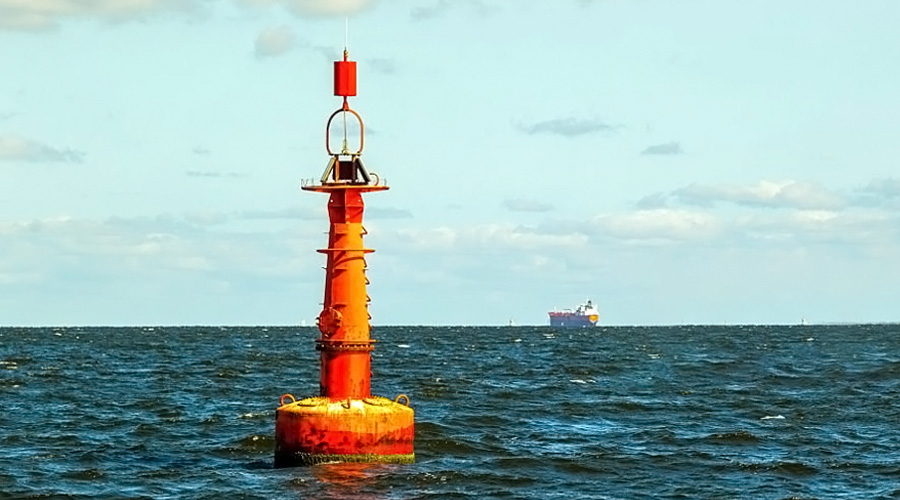
Traffic Challenge: Small vessels and massive cargo ships share the same waters. Therefore, the buoys and shore beacons on both sides of the fairway must feature 360° omnidirectional luminous output, ensuring they can be clearly recognized from any angle.
2. Indonesian Port Expansion Accelerates: Urgent Demand for Solar Navigation Lights
Indonesia is currently undergoing a massive wave of port infrastructure development:
- Tanjung Priok Port (Jakarta): Planning to expand annual throughput from 8.5 million to 15 million TEUs.
- Makassar Port: Being positioned as the nation’s new mega-export hub.
As the core export hub of the Southeast Sulawesi nickel belt, Kendari’s increasing traffic directly drives the demand for advanced solar navigation lights and marine beacon systems. International maritime safety standards (IALA Regulations) have now become the fundamental benchmark for these port upgrades.
💡 Key Takeaway for Global Clients:
Whether you are a port authority, a waterway engineering company, or a mining logistics provider, deploying international-standard solar beacon lights ahead of schedule is crucial. It helps avoid costly delays and liability risks caused by failed waterway certifications or maritime accidents.
3. YFFY Solar Navigation Lights Solution
Solar Marine Lanterns with Visibility 7NM & Remote-Controlled 350 Flash Characters
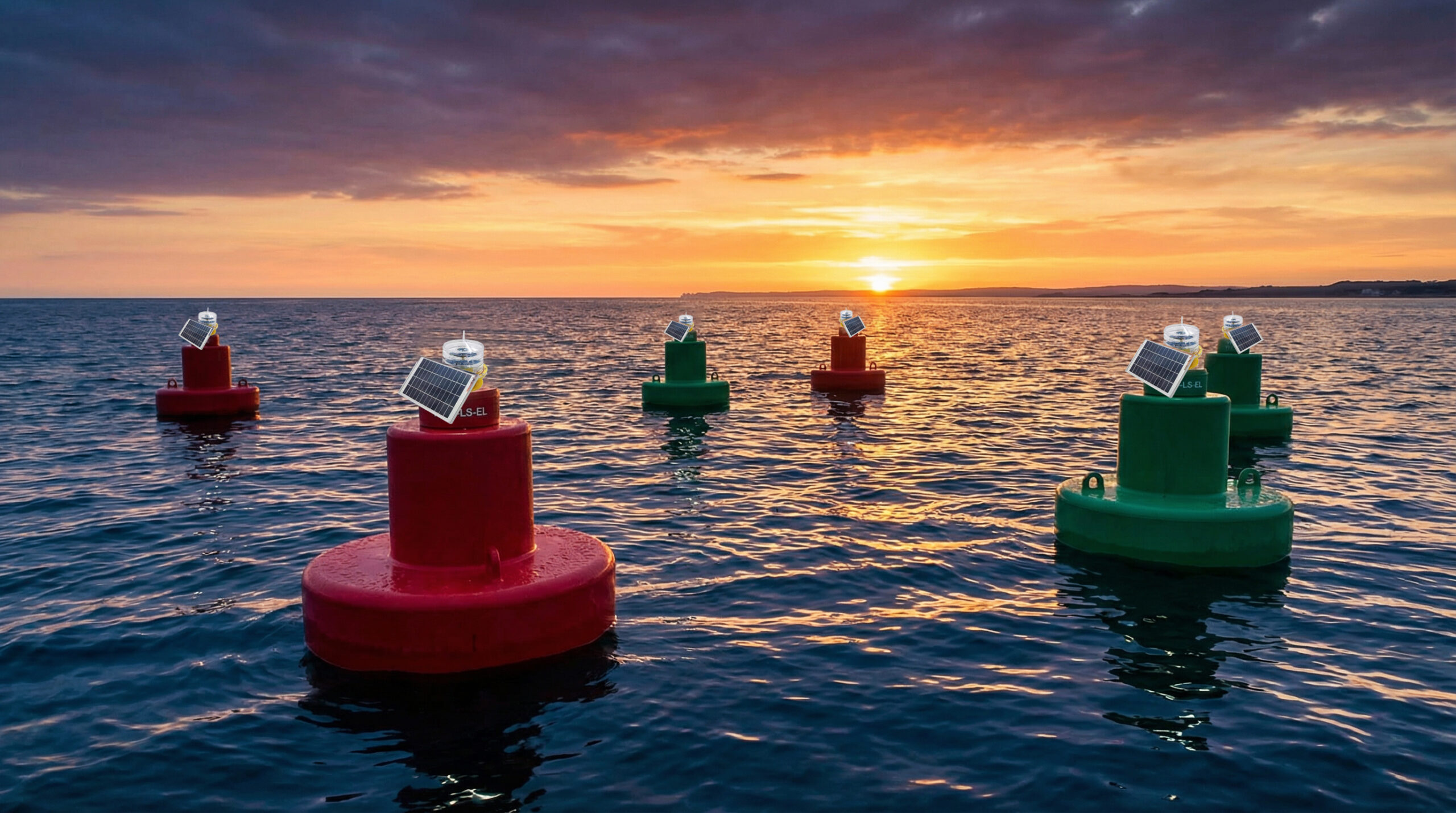
Tailored to the specific waterway conditions of Kendari Port, we have designed a localized, layered layout solution using premium solar marine navigation lights.
🌊 Main Fairway Entrance: High Autonomy & Weather Resistance
- Model: YFFY-LS/S 24AH Solar Navigation Lights
- Optical Visibility: 4 – 6 nautical miles (upgradable to a higher range)
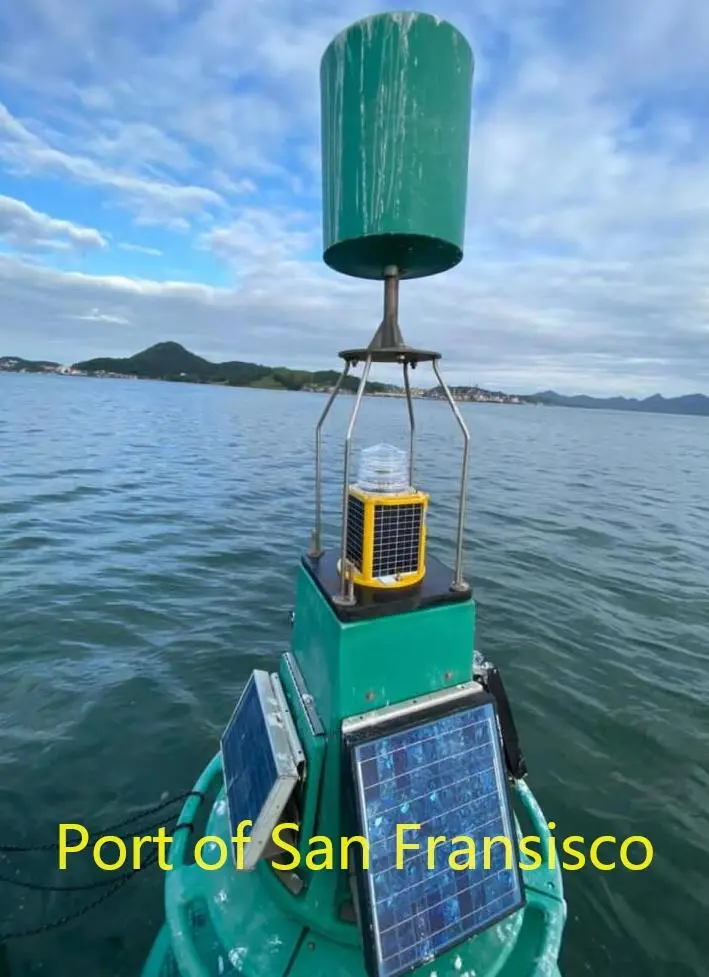
- Power System: 4 units of 6W monocrystalline silicon solar panels + 12.8V / 24AH LiFePO4 battery
- Autonomy (Battery Life): 15 days of continuous operation during rainy/cloudy weather (based on 12 hours/day)
- Housing Material: Die-cast aviation aluminum + PC lens cover
- Protection Rating: IP68 (Highly resistant to corrosion, UV, and impacts)
- Wind Resistance: 80m/s
- Application: Deployed at key nodes along the main channel to form a continuous optical guidance chain.
🧭 Approach Leading Beacons & Key Turning Points: Long-Range & Remote-Adjustable Flash Patterns
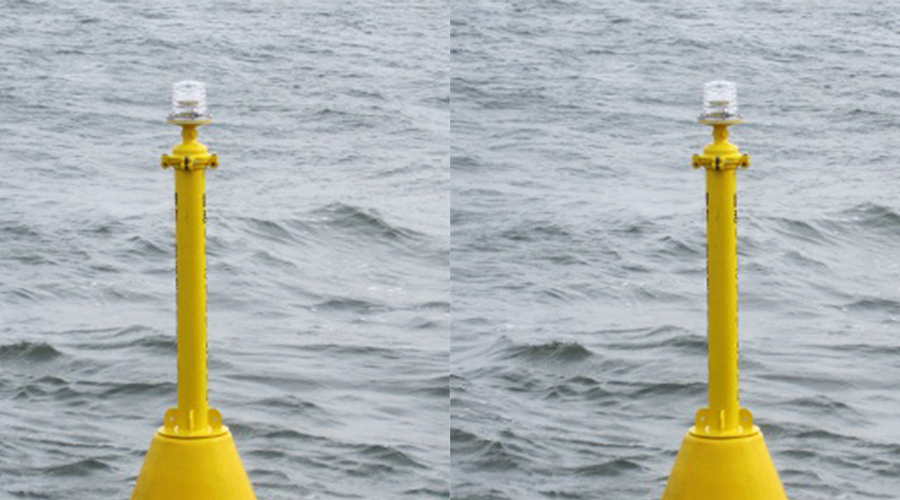
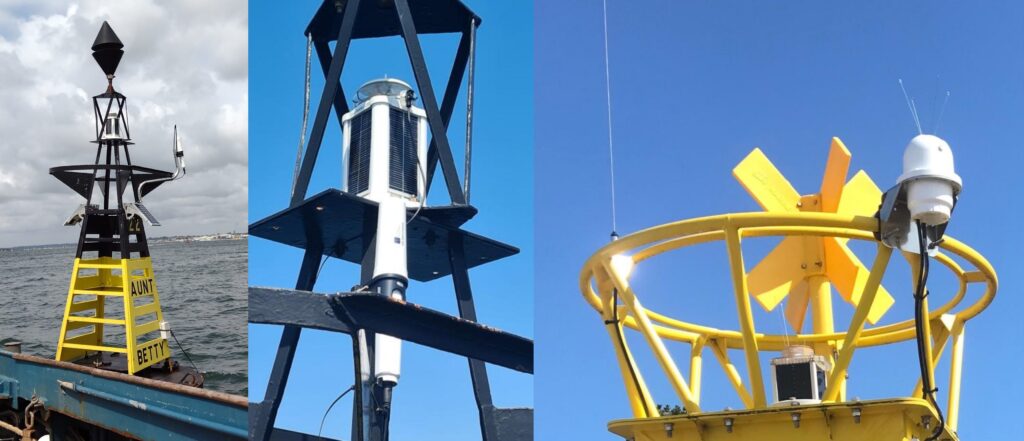
- Model: YFFY-LS-S Solar Navigation Lights
- Optical Visibility: 6 – 8 nautical miles (adjustable)
- Flash Characters: Built-in 350 IALA-standard flash characters
- Adjustment Method: Infrared remote control (no need to climb high structures or deploy service boats)
- Solar Panel: 4 units with adjustable angles to optimize sunlight capture in equatorial regions
- Continuous Rainy Day Performance: 15 days of charging ensures multi-day operation without direct sunlight
- Bird Deterrent: Configurable bird spikes to reduce tropical bird nesting and fouling
- Application: Provides flexible, highly reliable nighttime guidance at critical turning points and approach leading beacon positions.


4. Long-Term Benefits of Solar Marine Navigation Light for Kendari Port
- 100% Self-Powered · Zero Wiring · Zero Electricity Bills. The equatorial region enjoys abundant sunlight year-round. These lights require no external power grid connection, drastically cutting down the infrastructure cost of port fairway electrification.
- Maintenance-Free · Long Lifespan · Low Operational Burden
- LED Light Source Lifespan: > 100,000 hours
- LiFePO4 Battery: Design life > 2 years (easily replaceable)
- IP68 Waterproof + 80 m/s Wind Resistance ensures the system effortlessly withstands tropical typhoons.
- Remote-Controlled Flash Patterns · Multi-Scenario Navigation – Switch between 350 flash characters via remote control. Strobe modes and ON/OFF status can be adjusted directly from the shore, significantly boosting routine inspection and emergency response efficiency.
- Compliant with International Maritime Standards · Speeds Up Port Certification – Chromaticity and colors strictly follow IALA Recommendation E2001. The system generates zero RF interference, ensuring seamless ship-to-shore communication without affecting onboard marine electronics.
5. FAQ of LED Solar Navigation Lights
Whether you are planning a new port, upgrading an old channel, or looking for compliant beacon solutions for offshore facilities, these FAQs will help you evaluate your requirements quickly.
Q1: What are the main applications of solar marine lights?
- Commercial Ports & Berths (e.g., Kendari Project): Main fairways, breakwater heads, turning points.
- Inland Waterways & Canals: Bridges, locks, and shallow water warnings.
- Offshore Facilities: Offshore wind farms, oil/gas platforms, and aquaculture zones.
- Inter-island Ferry Routes: Coral reefs, shipwrecks, and marine farm borders.
- Temporary or Emergency Channels: Dredging operation areas and accident-induced detours.
Q2: What are the most important parameters to consider when choosing a solar navigation light?
- Nominal Range (Visibility): 4NM is standard for general ports, while 7NM is ideal for deep-water or high-wave areas.
- Battery Autonomy: The number of consecutive cloudy/rainy days the light can operate without sunlight (typically 10–20 days is required).
- Ingress Protection (IP Rating): At least IP67 for marine environments; IP68 is highly recommended.
- Flash Characters: Whether it supports all IALA-recommended flash codes (fixed, flashing, group flashing, etc.).
- Control Method: Infrared, Bluetooth, or remote wireless control to avoid frequent physical boarding of buoys or beacons.
Q3: Will solar navigation lights lose power in rainy equatorial regions?
No. Taking YFFY’s solar beacon lights as an example, the 24AH battery capacity paired with high-efficiency monocrystalline solar panels allows the light to operate normally for over 15 consecutive rainy days. During actual product selection, we can customize the battery capacity based on local historical meteorological data.
Q4: Do these navigation lights require routine inspection? Is the maintenance cost high?
Solar navigation warning lights are low-maintenance devices, but we recommend basic checks:
- Every 6–12 months: Check solar panel cleanliness and inspect the housing for any physical damage.
- Every 2–3 years: Test battery capacity and replace if necessary.
- After severe typhoons/earthquakes: Perform a quick visual check to ensure the light hasn’t shifted.
Compared to traditional grid-powered navigation lights, the annual maintenance cost can be reduced by more than 70% (no cables to prevent theft, zero electricity bills, and no frequent bulb replacements).
Q5: Will solar navigation lights lose power in rainy equatorial regions?
No. Taking YFFY’s solar marine beacon lights as an example, the 24AH battery capacity paired with high-efficiency monocrystalline solar panels allows the light to operate normally for over 15 consecutive rainy days. During actual product selection, we can customize the battery capacity based on local historical meteorological data.
Q6: How do I ensure the navigation lights comply with international maritime regulations?
Prioritize products that explicitly state compliance with IALA E2001 color and flash character standards. Request optical test reports (such as actual measured nominal range values) from your supplier. For ports undergoing international certification (e.g., AHTS, PILOT services), you can further request official IALA certification documents.
Q7: Can YFFY solar marine navigation lights be used for temporary or mobile deployments?
Yes. The YFFY-LS-S series solar lights weigh only 7.1 kg. It can be mounted directly onto temporary buoys, small barges, or detachable brackets. It is ideal for:
- Temporary guidance during channel dredging operations.
- Rapid emergency marking at maritime accident scenes.
- Seasonal shipping route adjustments.
As Indonesia’s national port expansion progresses, the ocean continues to connect the archipelago to global trade networks. Reliable, efficient, and easy-to-deploy solar marine lanterns are not just basic infrastructure for maritime safety—they are a hidden indicator of a port’s international competitiveness.
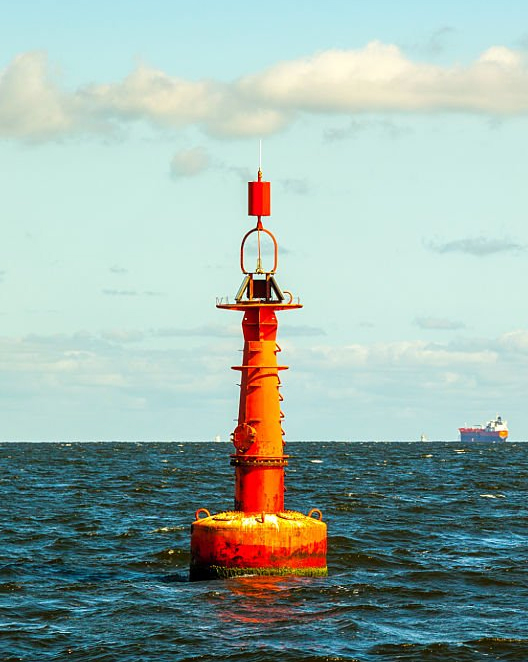
The YFFY Solar Navigation Lights Solution offers an economical, safe, and sustainable marine lighting choice for ports and fairways in Kendari and across Indonesia, featuring 7 NM visibility range, 350 remote-controlled flash characters, and a self-powered, maintenance-free design.
📌 Need a Customized Navigation Light Layout Solution for Your Project?
Contact YFFY Lights today to get technical specifications, case studies, and a free quote.