Aviation Terminology: PAPI Meaning, Technological Evolution, and Practical Application
In the field of international civil aviation, safety and precision are eternal themes. When pilots fly at thousands of meters preparing to land, visual navigation aids are their last line of defense to determine altitude and glideslope, in addition to the Instrument Landing System (ILS). In this critical area, the Precision Approach Path Indicator (PAPI) we provide is serving airport upgrade projects around the globe.
As a professional airfield lighting supplier, we are often asked a basic but key question: What does “PAPI” stand for in aviation?
The answer is more than just an acronym – it is the “visual ruler” that ensures every flight lands safely.
What is PAPI?
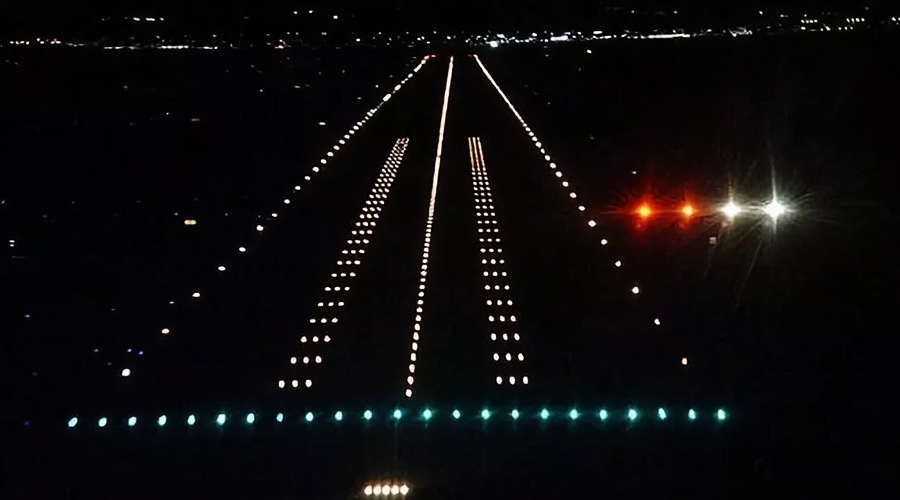
Its not just 4 airport lights. PAPI stands for Precision Approach Path Indicator.
It typically consists of a row of four light units installed on the left side of the runway (on the right side in rare cases).
Through a combination of red and white beams, the system provides immediate vertical guidance to pilots:
- Two red, two white → correct 3‑degree glideslope
- Three white, one red → slightly high
- Four white → too high
- Three red, one white → slightly low
- Four red → too low, dangerous
This logic is simple, but behind it lies decades of aviation safety practice.
Halogen vs LED: The Ongoing Technology Shift in Airfield Lighting
As airports worldwide focus on energy efficiency and maintenance costs, PAPI light sources are rapidly shifting from traditional halogen to LED.
The table below is based on ICAO Annex 14 / FAA L-880/L-881 standards, and reflects real data from our internal tests and field feedback:
| Parameter | Traditional Halogen PAPI | Modern LED Precision Approach Path Indicator | Real-World Advantage |
|---|---|---|---|
| Lamp Life | 1,000–1,500 hours | > 50,000 hours | 30x fewer replacements |
| Light Output | Requires filter, high loss | High‑purity monochromatic, no filter loss | Stronger fog/ haze penetration |
| Power Consumption | Typical 600W+ | Typical <150W | 75%+ energy saving |
| Switching Speed | Slow (hot restart) | Instant (<1ms) | Enables FAROS fast‑flashing alert |
| Maintenance Cost | High (frequent bulb/filter changes) | Very low (solid‑state design) | Drastically reduces inspections & spares |
To be honest, the data behind this comparison comes from more than 18 months of continuous aging tests in our lab and field tracking. The “50,000 hours” for LED is not a theoretical value – our very first pilot units have been running for 6 years without a lamp change.
YFFY Lights’ LED PAPI lamps are ETL certified, with an alignment accuracy of ±2 arc‑minutes and a beam transition sharpness strictly controlled within 3 arc‑minutes, avoiding colour misinterpretation.
Real‑world Case Studies: From Tropical Rainforest to Plateau Airport
Case A: Malaysia International Airport expansion project (high temperature, high humidity environment)
- Challenge: Year‑round 35°C+, 90% humidity, severe salt‑spray corrosion.
- Solution: Heavy‑duty aluminium alloy housing + powder coating (ASTM B117 salt‑spray test >1,000 hours); optimised internal airflow design to keep LED junction temperature under control at 55°C ambient.
- Result: The system has run 3 years with zero failure; luminous decay below 3%. The airport maintenance team commented: “Almost no manual intervention needed after installation.”
Case B: General aviation airport in South American highlands (altitude >4,000 m)
- Challenge: Thin air makes heat dissipation difficult; extremely strong ultraviolet radiation ages plastic parts quickly.
- Solution: Low‑temperature‑resistant, UV‑resistant special PMMA lenses; PCU (Photo Cell Unit) with automatic dimming to adapt to rapidly changing light conditions.
- Result: Completed FAA‑standard upgrade on a low budget, receiving written recognition from the local civil aviation authority.
Why Do Airports Around the World Trust Our PAPI Systems?
YFFY is an export‑oriented manufacturer with independent R&D capabilities, understanding the strict overseas demands for “compliance” and “service”.
- Full certification: Strictly compliant with ICAO Annex 14, FAA L‑880/L‑881, with complete export documentation (CE, RoHS, etc.).
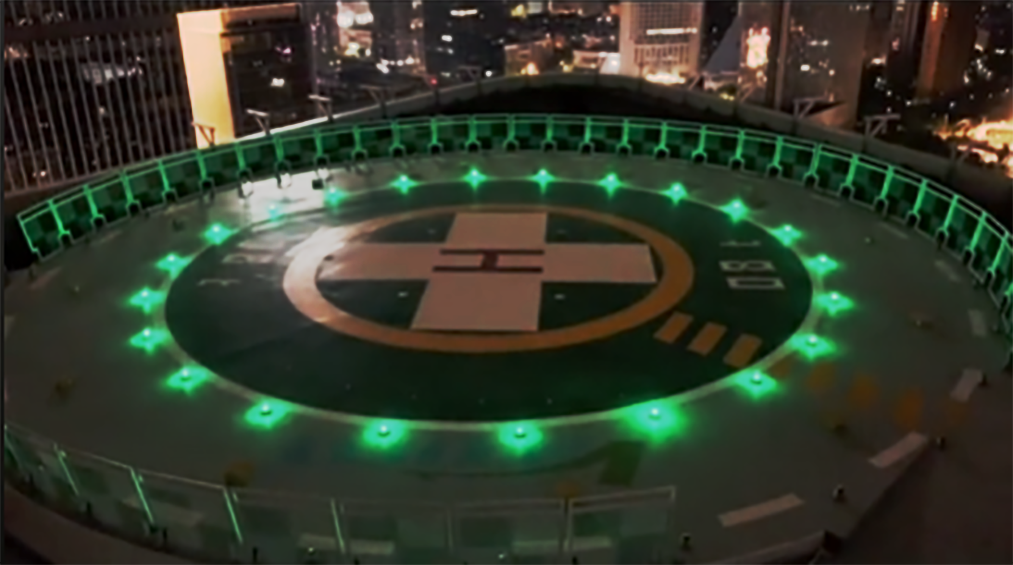
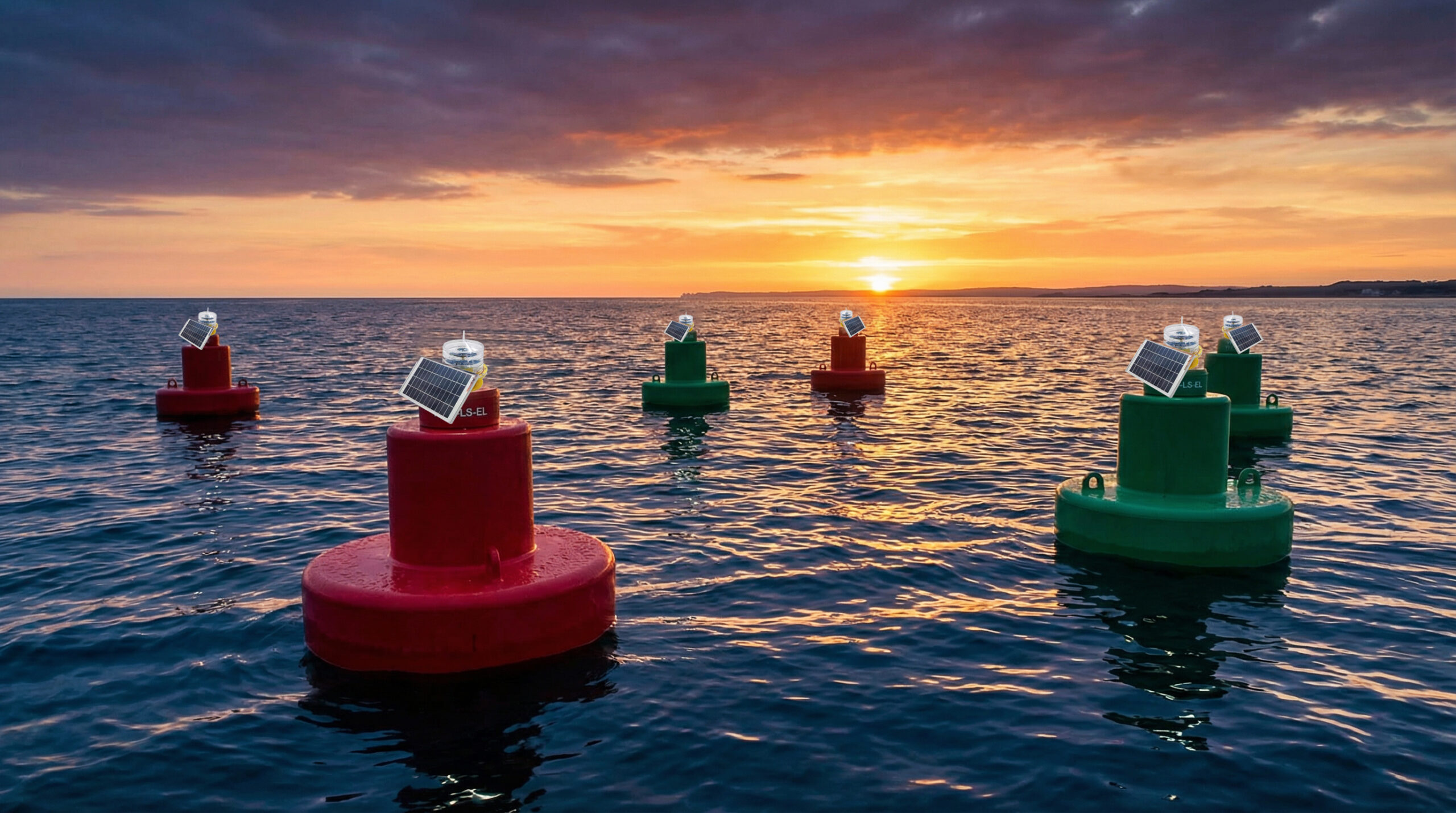
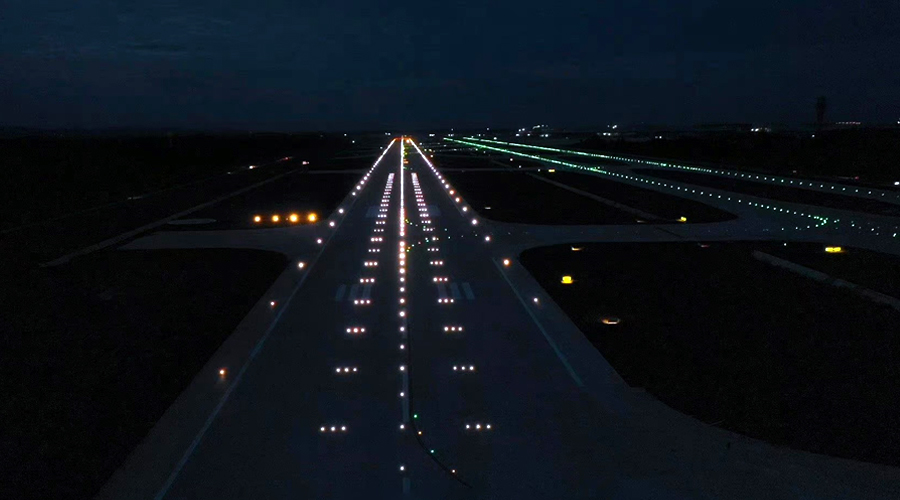
- One‑stop solution: Airport lights – runway edge lights, taxiway lights, helipad lights, AC series, solar warning lights, constant current regulators – all devices share colour consistency and electrical compatibility.
- Rapid supply chain: Competitive FOB pricing + DDP service to solve logistics pain points.
A quotation from a 5‑year customer in Europe: “Your PAPI system’s electricity savings in the first year already covered the purchase price difference.”
PAPI Lights – Global Delivery Performance
In the full year 2025, we delivered more than 7,750 Precision Approach Path Indicator systems worldwide, among which:
- Asian countries (including Southeast Asia): 2,300 sets
- Southeast Asia alone contributed: 1,850 sets
- European countries: 3,600 sets
The remainder were delivered to South America, Africa, and the Middle East. Behind every number are on‑site installations, continuous operation, and repeat orders from customers.
What Does “PAPI” Stand for in Aviation?
- It stands for Precision – the ultimate pursuit of accuracy;
- It stands for Approach – the promise of a safe return.
Whether under tropical rainstorms in Malaysia or in the thin, high‑altitude air of South America, we use field‑proven LED PAPI airport lighting systems to safeguard every takeoff and landing – worldwide.