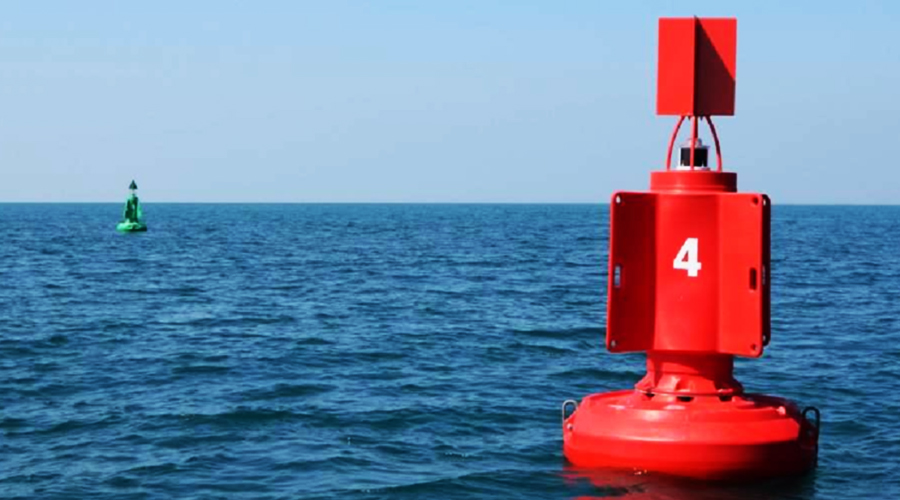
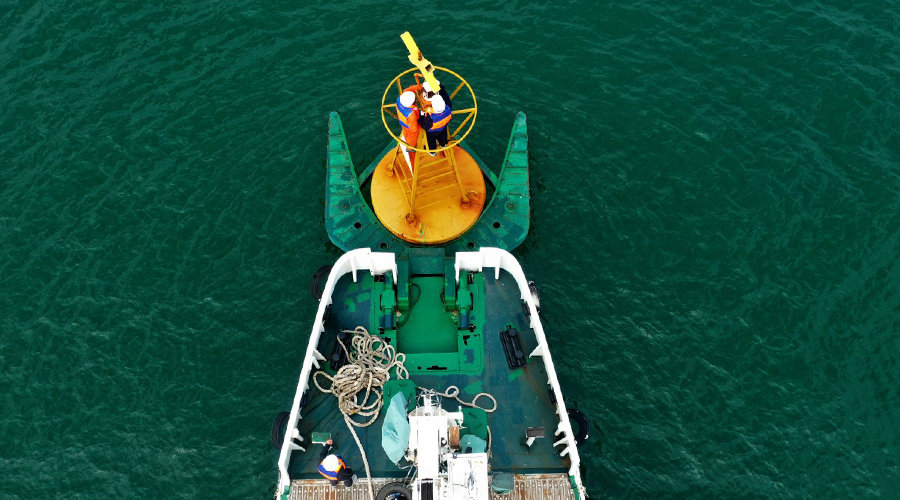
Marine buoy lights are crucial facilities for ensuring safe navigation of ships and the safe use of buoys and navigation aids in port and waterway safety management. They not only provide navigational guidance for ships but also identify danger zones, channel boundaries, and turning points.
Proper selection of buoy light is essential for ensuring navigational safety and improving port operational efficiency. This article will introduce how to select appropriate navigational buoy lights, combining international requirements and IALA standards.
How to Select Marine Buoy Lights for Ports and Waterways?
1. International Standards and IALA Requirements
(1) According to IALA guidelines, all marine lights must meet certain technical standards and performance requirements to ensure their reliability and visibility under various weather and environmental conditions. IALA standards cover requirements for color, light intensity, flashing patterns, and their continuity.
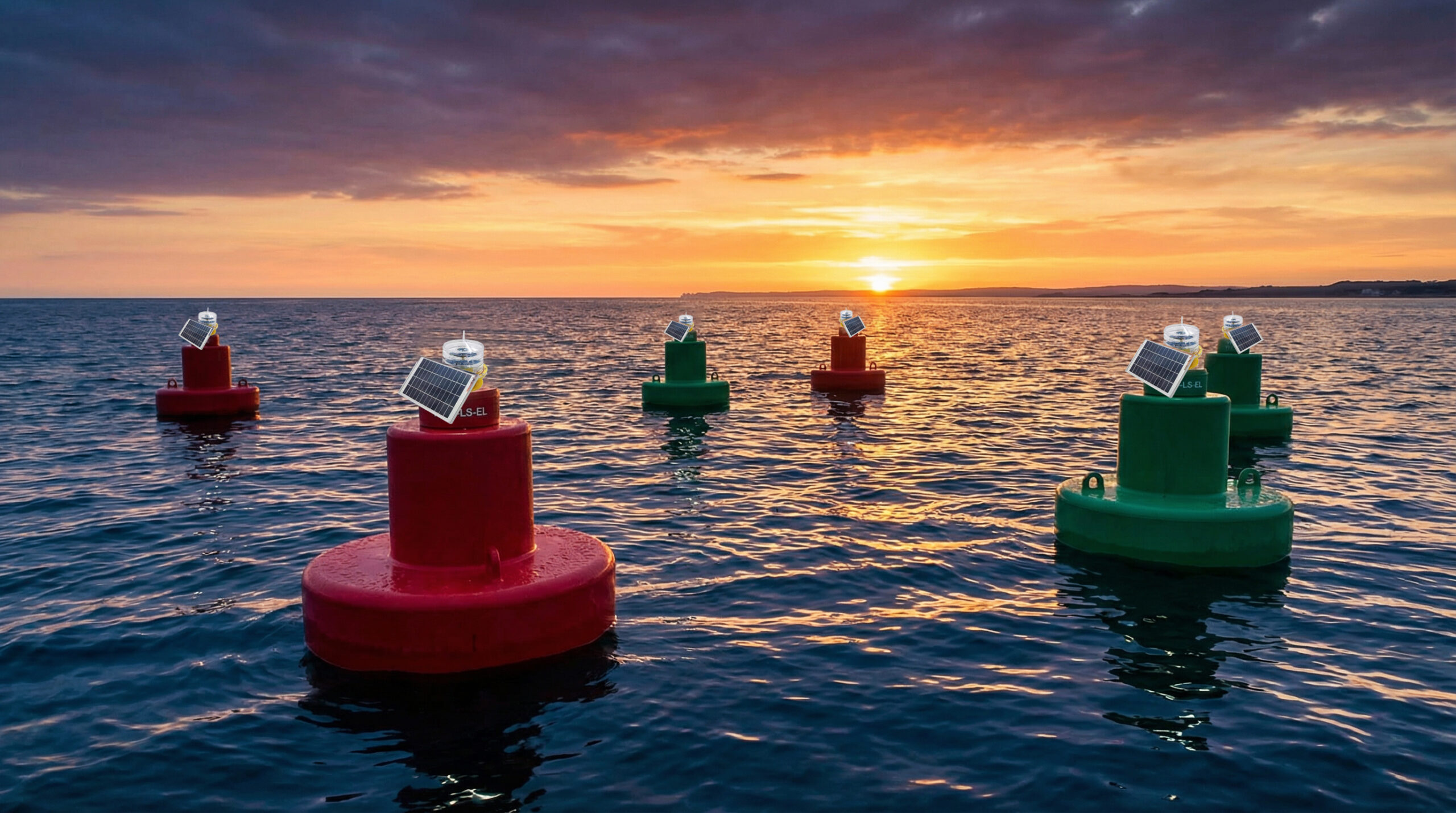
(2) Color & Light Intensity: Buoy lanterns are generally available in red, green, and white, with different colors indicating different navigational information. They are also divided into two systems.
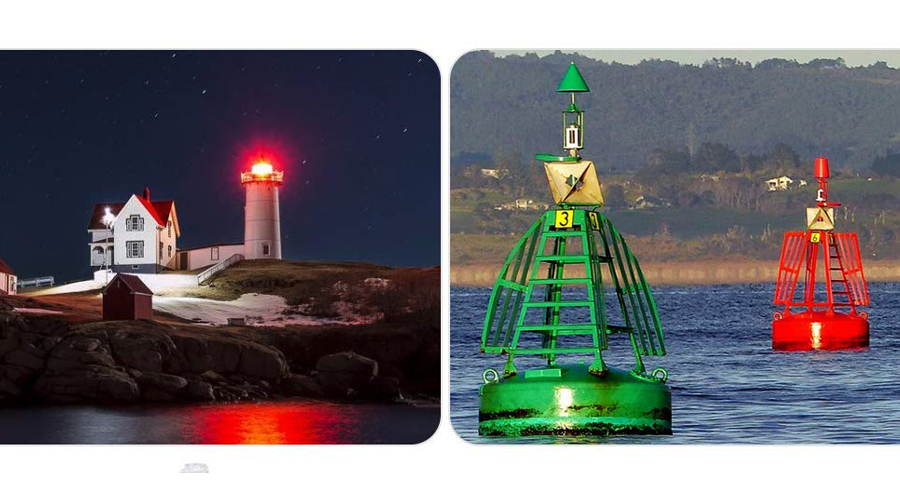
- IALA System A: Used in Europe, Africa, Asia, and Australia, with red buoys indicating the left side of the channel (when entering port) and green buoys indicating the right side.
- IALA System B: Used in the Americas, South Korea, and the Philippines, with red buoys indicating the right side of the channel (when entering port) and green buoys indicating the left side.
(3) When selecting buoy warning lights, the following international requirements must be followed:
- Light Color and Rhythm: According to IALA standards, red light is used for left-side markers, green light for right-side markers, and yellow light for special markers. The light rhythm (e.g., flashing, brightness) must conform to IALA recommendations to convey specific information.
- Visibility Distance: Depending on the importance of the channel, buoy navigation lights must have sufficient visibility distance (typically 2-10 nautical miles). For example, buoy lights in ports may only require 2-4 nautical miles, while those in open sea channels may require more than 10 nautical miles.
- Energy & Durability: Solar marine buoy lights have become the mainstream choice due to their environmental friendliness and low maintenance requirements. They must be able to operate stably in harsh marine environments and be equipped with backup power.
2. Basic Functions of Channel Buoy Lights
Marine buoy warning lights are mainly used for:
- Identifying channel boundaries: Left and right markers are distinguished by color and light characteristics.
- Warning dangerous areas: such as shoals, shipwrecks, or reefs.
- Indicating turning points or junctions: Helping vessels safely change course.
- Providing navigation at night or in low visibility conditions: Enhancing visibility through light signals.
3. Key Factors in Selecting Marine Warning Lights
a. Channel Type & Environmental Conditions
- Port Channels: Generally, visibility requirements are low (2-4 nautical miles), but vessel density and current effects must be considered. Small solar-powered buoy lights, such as the YFFY-LS-E series, are recommended for their energy efficiency and flexible installation.
- Open Sea or Open Waterways: Require stronger light (visibility distance 6-10 nautical miles) and greater resistance to wind and waves. Durable buoy navigation lights with corrosion-resistant and waterproof designs should be selected.
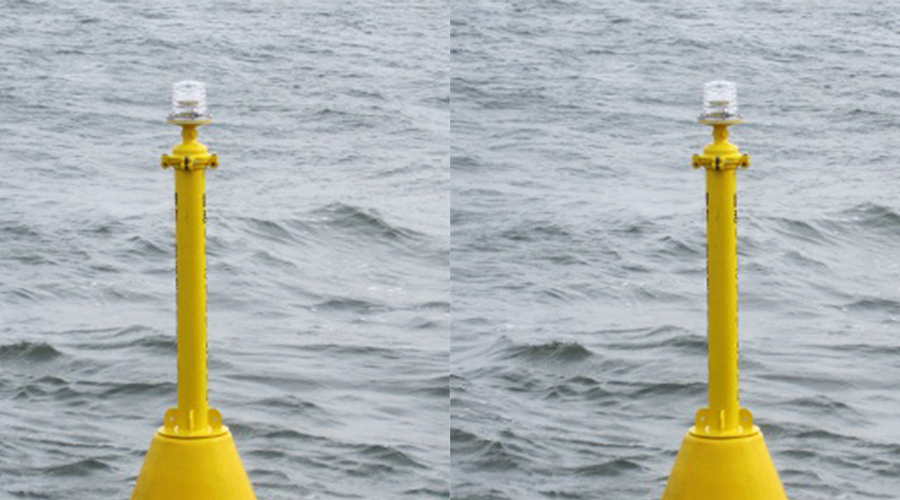
- Hazardous Areas: Specific rhythms (e.g., rapid flashing) or yellow lights are required to warn vessels to stay away.
b. Technical Specifications
- Light Characteristics: Complies with IALA rhythm standards, such as single flash, multi-flash, and continuous flash. Alternatively, 350 flashing codes. For example, the YFFY marine buoy lights.
- Power System: Solar panels combined with lithium batteries ensure continuous operation even in cloudy or rainy weather (typically requiring at least 7 days of continuous operation).
- Structure & Materials: The outer shell must be corrosion-resistant (e.g., aluminum alloy or polymer materials), with a waterproof rating of at least IP67, adaptable to marine environments such as salt spray and ultraviolet radiation.
- Intelligent Functions: Modern buoy lights can be equipped with remote monitoring and fault alarm systems for easy maintenance.
c. Compliance and Certification
Ensuring that the marine navigation lights used comply with at least the International Maritime Organization (IMO) and IALA standards.
4. Recommended Marine Warning Lights
The following are recommended products for different navigation channel needs (based on the YFFY brand, conforming to international standards):
- Solar Buoy Lights YFFY-LS-E 2-4nm: Suitable for ports and inland waterways, visibility 2-4 nm, solar-powered, low-maintenance design.
- Multi-functional Solar Marine Buoy Lights YFFY LS-SJ: Suitable for open waterways, buoys, ports, docks, and other marine navigation aids. Features high brightness (visibility up to 6 nautical miles or more) and strong resistance to wind and waves.
Choosing the right navigation buoy light is fundamental to ensuring safe navigation at sea.
By adhering to IALA standards, considering navigational environment and technical requirements, and selecting reliable products (such as solar marine navigation lights), ports and maritime authorities can effectively improve the efficiency and safety of navigation systems.
Regular maintenance and compliance checks will further extend equipment life and ensure unobstructed navigation.
Authoritative Information Sources & References Within This Article:
- Relevant documents in the “Publications” or “Guidelines” section of the 《 International Association of Lighthouse Authorities (IALA) 》https://www.iala-aism.org/
- International Maritime Organization (IMO): https://www.imo.org/
- National maritime authorities: For example: the Maritime Safety Administration of the People’s Republic of China, the United States Coast Guard (USCG), and the Maritime and Coast Guard Agency (MCA) of the United Kingdom. They issue their own national regulations and specific requirements for the management of navigation aids based on IALA and IMO standards.