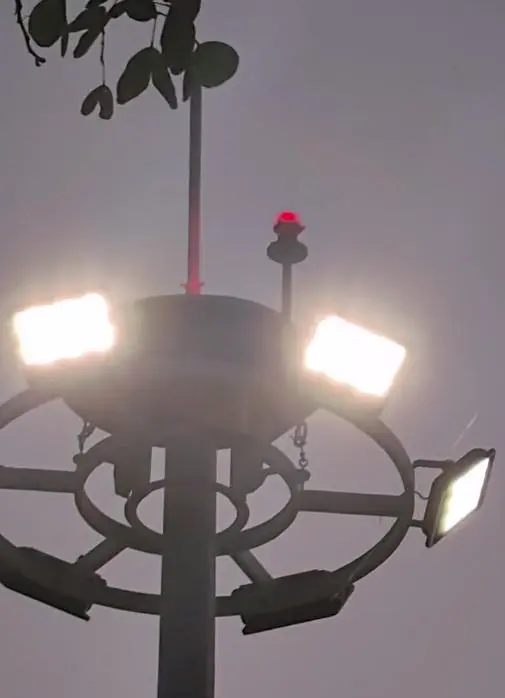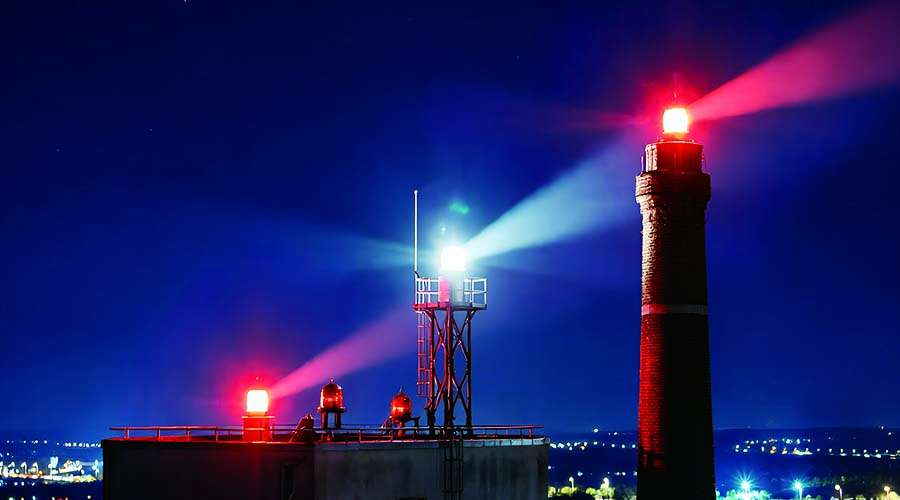
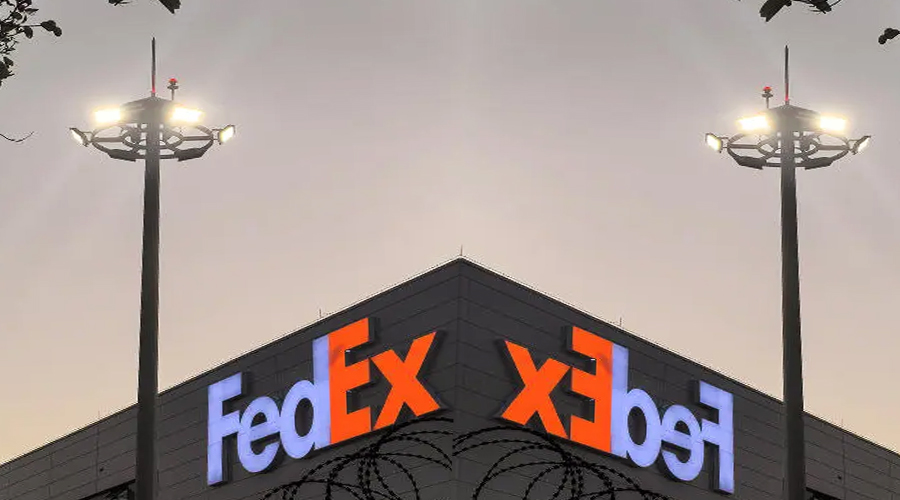
Low-Intensity Obstacle Lights application in Modern Aviation Safety: As night falls, within the FedEx logistics park, red lights flicker silently atop buildings like guardians.
Their seemingly faint glow carries the crucial responsibility of protecting nighttime aviation safety. This low-intensity obstruction light system is silently alerting every passing aircraft: an obstacle is present.
What are Low-Intensity Obstacle Lights?
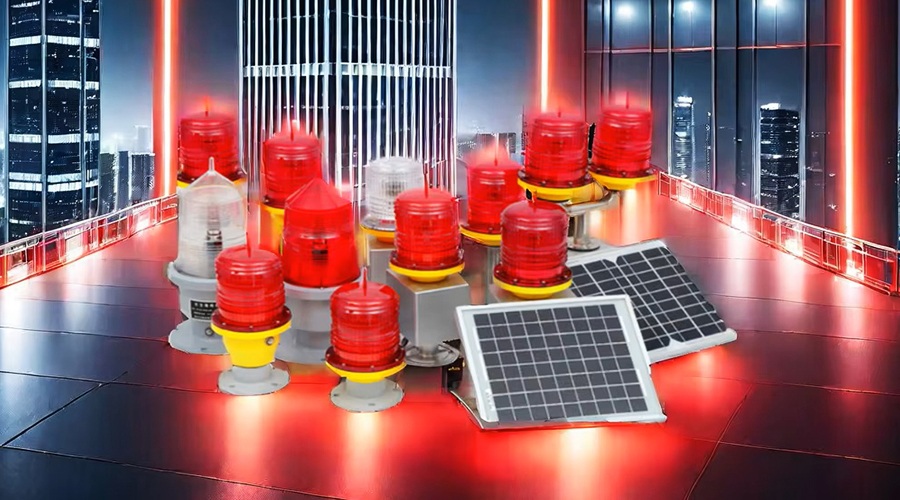
Low-intensity lights, as the name suggests, are a type of aviation obstruction light with relatively low luminous intensity.
According to the regulations of the International Civil Aviation Organization (ICAO) and national civil aviation authorities, aviation obstruction lights are divided into three categories: low-intensity, medium-intensity, and high-intensity, primarily used to identify the presence of obstacles.
Low-intensity aviation obstruction lights typically refer to red, constantly lit lights or flashing lights with a luminous intensity in the range of 32-100 cd (candela).
Their characteristics include soft light, effectively warning aircraft without causing light pollution or disturbing the normal lives of nearby residents.
These aircraft warning lights generally use LED light sources, featuring low energy consumption, long lifespan, and easy maintenance.
Modern low intensity obstruction warning lights also feature intelligent control, automatically switching on and off based on ambient lighting conditions to achieve an optimal balance between energy saving and functionality.
Low-Intensity Light Case Study
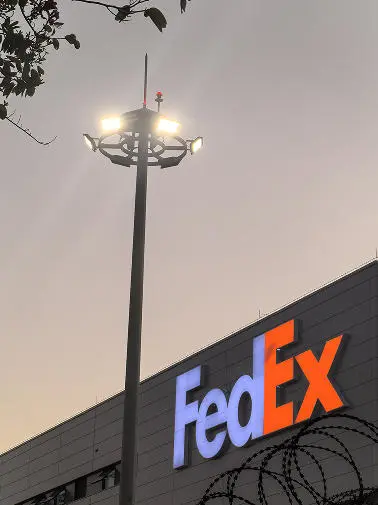
As a core node of an international logistics hub, the FedEx campus faces the challenge of densely packed warehouses, conveyor equipment, and other structures. With frequent nighttime air traffic, aviation safety protection needs have become particularly urgent.
This campus selected professional YFFY-LI-B low-intensity obstacle lights as its protection solution, not only meeting the relevant aviation obstruction warning standards of the Civil Aviation Administration of China but also improving the overall safety protection system of the campus.
This case study provides a high-quality reference model for similar large-scale logistics park projects, demonstrating the reliable adaptability and professional performance of low-intensity aviation obstruction lights in specific scenarios.
Application of Low Intensity Aviation Obstruction Lights
As can be seen from the FedEx campus case study, large logistics parks are one of the main application scenarios for low-intensity obstruction warning lights. These areas are typically densely packed with buildings of varying heights, and are often located in suburban areas or near transportation hubs, where air traffic is relatively heavy.
Besides logistics parks, low intensity warning lights are also widely used in:
- Buildings under 45 meters in height in cities, such as residential and commercial buildings;
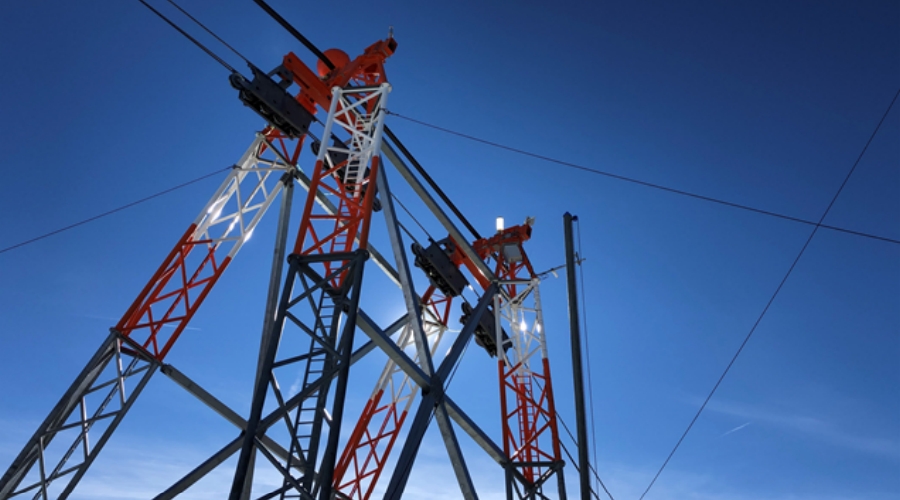
- Independent tall structures like power transmission towers and communication towers;
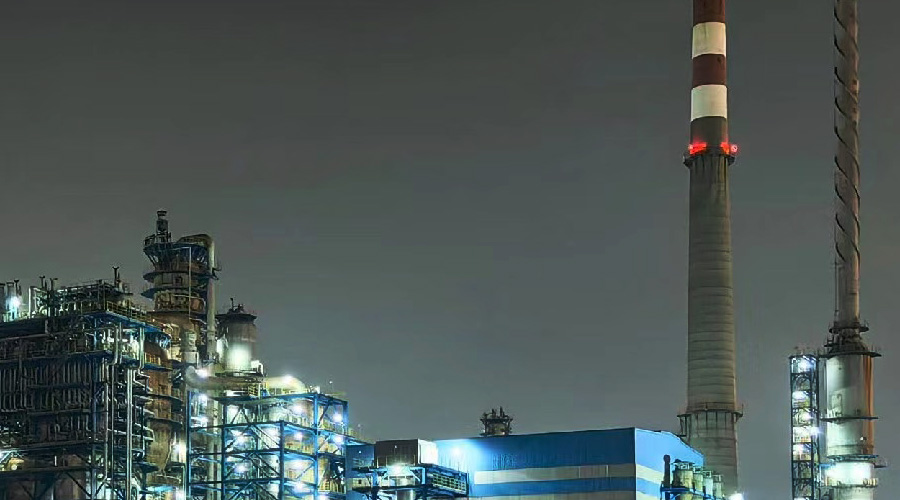
- Special structures such as bridges, chimneys, and wind turbines;
- And equipment such as tower cranes at temporary construction sites.
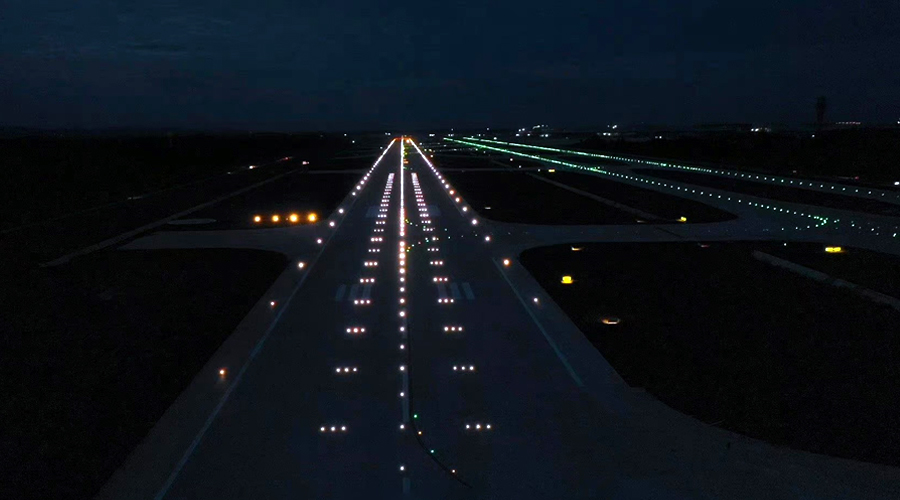
Especially on lower buildings around helicopter landing pads, aviation obstruction warning lights play an irreplaceable role. They provide clear obstacle outlines for helicopter takeoffs and landings, ensuring flight safety.
It is worth emphasizing that different countries or regions have specific regulations regarding the use of aviation obstruction lights.
Features of Obstruction Warning Lights
Modern obstruction lights integrate multiple advanced technologies. LED light source technology allows the lamps to have a lifespan of over 50,000 hours, far exceeding traditional light sources.
Intelligent light control systems automatically adjust the working mode according to ambient light, turning off during the day and automatically turning on at dusk.
Waterproof and dustproof design ensures that aviation lights can operate normally in various harsh weather conditions, with a protection rating typically reaching IP65 or higher.
UV-resistant shell materials ensure that obstruction warning lights will not fade or age during long-term outdoor use.
Some high-end products also feature GPS synchronization.
Modular design simplifies installation and maintenance; most models support wall mounting, platform mounting, and other installation methods to adapt to different building structures and installation conditions.
Benefits of Using Low-intensity Obstacle Lights
Safety benefits are the most significant.
Low-intensity obstruction lights effectively prevent aircraft from colliding with ground obstacles by outlining their contours, protecting lives and property. In the FedEx case, this system provided clear warnings for frequently taking off and landing cargo planes.
Economic benefits are equally significant.
Low-energy LED light sources save over 70% more energy than traditional light sources; long lifespan reduces replacement frequency and maintenance costs; intelligent control further reduces energy consumption, achieving long-term cost savings.
Environmental friendliness is another advantage of low-intensity obstruction lights.
Precise light distribution design ensures light only illuminates the necessary direction, avoiding light pollution; soft red light has less impact on migratory birds at night; low energy consumption also means a reduced carbon footprint.
Whether installing low-intensity LED aviation obstruction lights, or medium-intensity and high-intensity obstruction lights, local regulations must be followed. If you have any questions or needs, please feel free to contact us for solutions and products.