Low-Intensity Obstruction Lights: “Skylights” Guarding Flight Safety
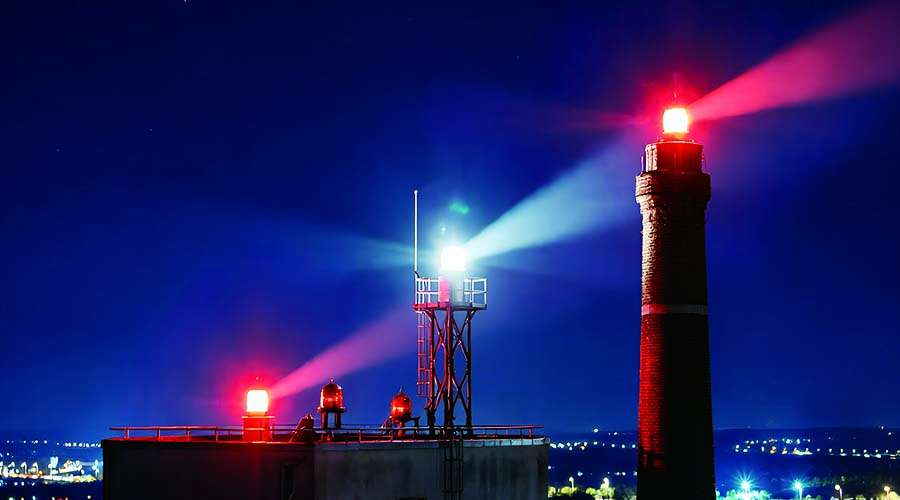
In aviation, flight safety is always of paramount importance. Whether it’s towering skyscrapers, soaring telecommunications towers, or giant chimneys looming over industrial areas, these obstacles can become invisible threats to aircraft at night or in low-visibility conditions.
To effectively prevent aviation accidents, low-intensity aviation obstruction light, as a specialized type of aviation lighting equipment, have become indispensable “skylights” for flight safety thanks to their unique design and reliable performance.
Requirements for Low-Intensity Aviation Obstruction Lights
According to the strict standards of the International Civil Aviation Organization (ICAO) and the Civil Aviation Administration of China (CAAC), all obstacles over 45 meters in height (such as buildings, towers, and chimneys) must be equipped with aviation obstruction lights to indicate their location and outline.
This requirement stems from a fundamental need for aviation safety: at night, in fog, or in low-visibility conditions, it’s difficult for pilots to identify ground obstacles with the naked eye. Aviation obstruction warning lights, by emitting light signals of specific colors and frequencies, provide pilots with clear visual warnings, helping to avoid collision risks.
Low-intensity lights, the foundation of aviation obstruction warning lighting systems, are designed for obstacles under 45m. They can also complement medium- and high-intensity obstruction lights to form a multi-layered warning system.
They have a wide range of applications, including urban buildings, industrial facilities, bridges, and areas surrounding airports, making them an indispensable component of the aviation safety network.
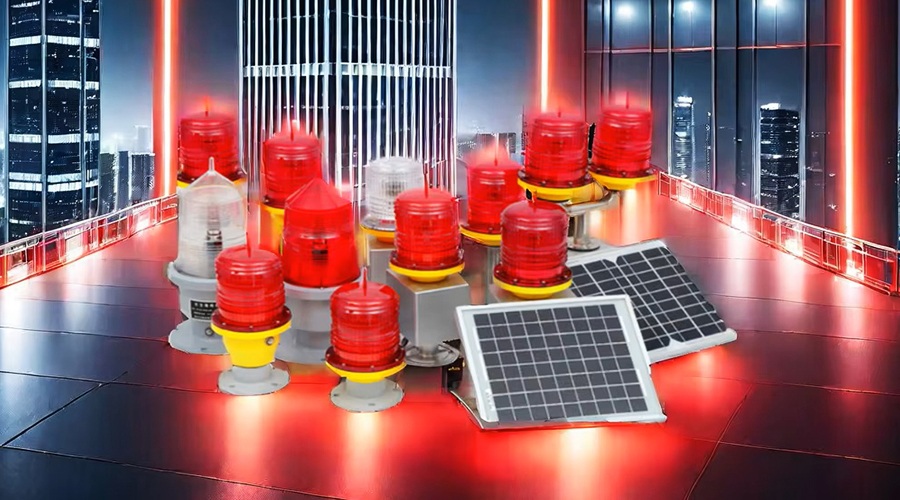
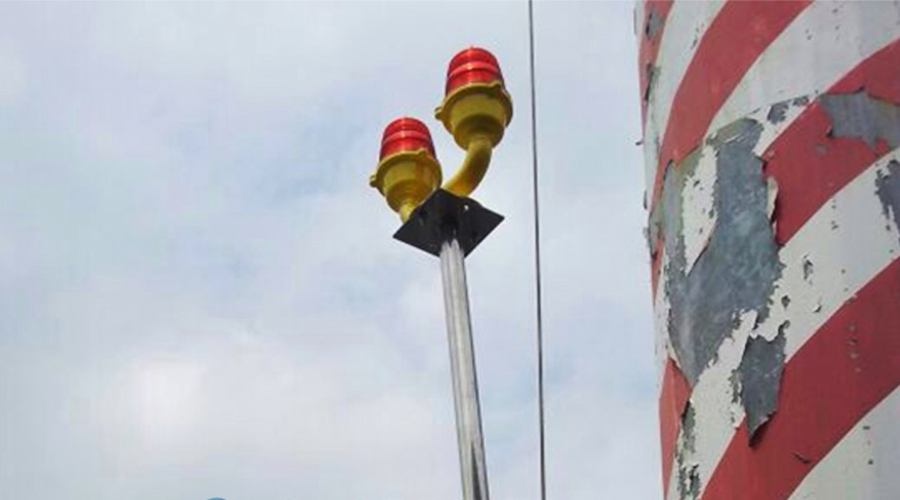
Recommended Product: YFFY-LI/D Low-intensity Obstruction Lights
1. Dual-Mode Operation, Flexible Adaptation
Supports steady-burning and flashing modes at 20 flashes per minute, freely switchable via a built-in switch. Steady-burning mode is ideal for continuous warning, while flashing mode enhances long-range visibility through dynamic light signals, meeting safety requirements in diverse environments.
2. Ultra-Long Life & Low Maintenance
This aviation warning light utilizes a high-brightness LED light source with a lifespan of up to 100,000 hours (approximately 20 years), significantly reducing replacement frequency and maintenance costs.
The energy-efficient nature of the LED light source (power consumption ≤ 3W) further reduces energy consumption, aligning with the principles of green aviation.
3. All-Environment Adaptability, Stable& Reliable
The housing is constructed of high-strength aircraft-grade aluminum and is fully sealed to IP67 protection, offering protection against harsh environments such as heavy rain, salt spray, and dust.
The built-in Fresnel lens PC lampshade with a focusing angle that meets FAA standards ensures uniform beam dispersion across a 360° horizontal range, with a vertical divergence angle of ≥10°, providing comprehensive, all-around warning.
4. Extreme Weather Resistance, Worry-Free Safety
YFFY’s aircraft warning lights have passed extreme temperature tests ranging from -40°C to 70°C and can withstand winds of 120 m/s (equivalent to a super typhoon). They are also lightning-proof and electromagnetic interference-resistant, ensuring stable operation in extreme weather conditions such as typhoons and hail.
Aviation Obstruction Light Applications
Low-intensity obstruction lights have a wide range of applications. The following are typical examples:
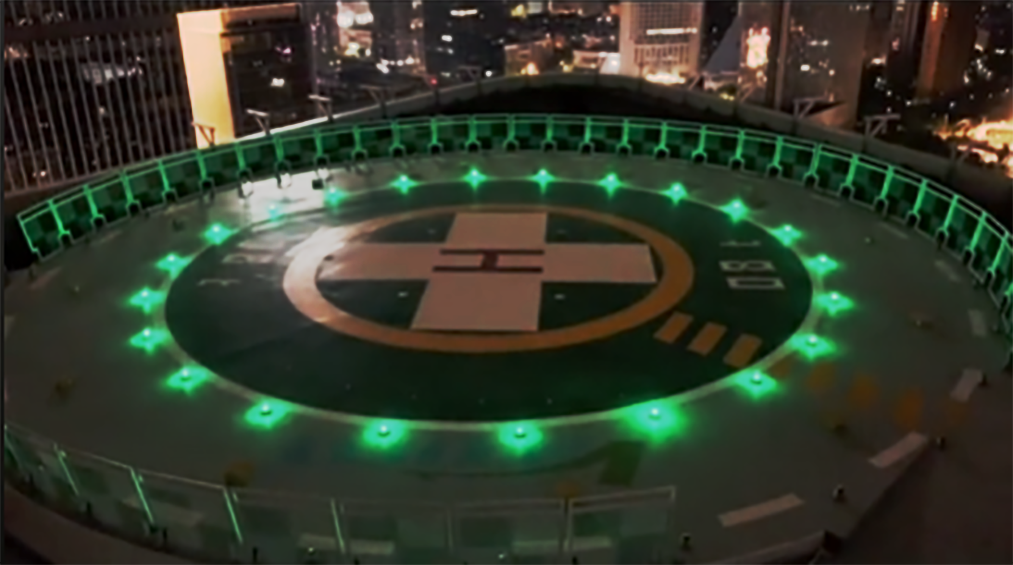
- Urban Buildings: Installed on the roofs of residential buildings under 45m tall and commercial centers to identify building outlines and prevent accidental collisions by aircraft at night.
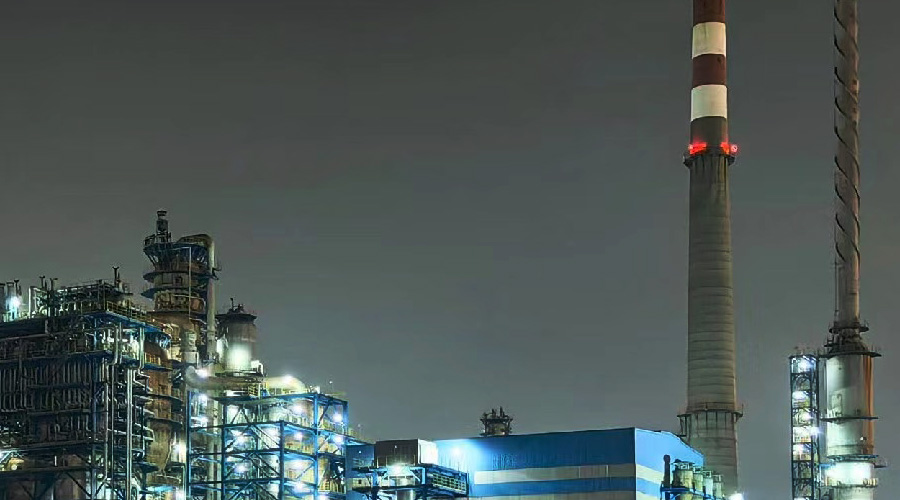
- Industrial Facilities: Provide warnings for smokestacks of thermal power plants, chemical plants, and wind turbines, helping to avoid low-altitude flight risks.
- Communication Towers: Installed atop GSM base stations and microwave communication towers, they mark tower heights and ensure the safe operation of wireless communication networks.
- Bridge & High Mast Lights: Installed on the towers of sea-crossing bridges and viaducts, they assist pilots in identifying bridge structures and preventing collisions.
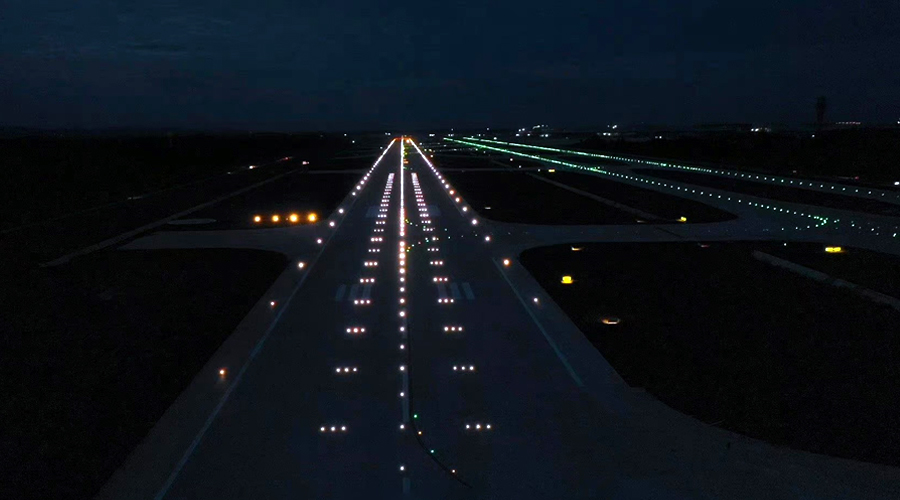
- Airport Areas: Installed on height-restricted buildings within airport clear-airport protection zones, they work in conjunction with medium- and high-intensity obstruction warning lights to form a multi-layered warning system, ensuring safe takeoff and landing.
The YFFY-LI/D low-intensity obstruction lights strictly adheres to International Civil Aviation Organization (ICAO) and Civil Aviation Administration of China (CAAC) standards and is FAA L-810 certified, ensuring the global compatibility and compliance of LED warning lights. Its light intensity parameters (Type A ≥10cd, Type B ≥32.5cd) meet the warning requirements for obstacles of varying heights, providing reliable aviation safety.