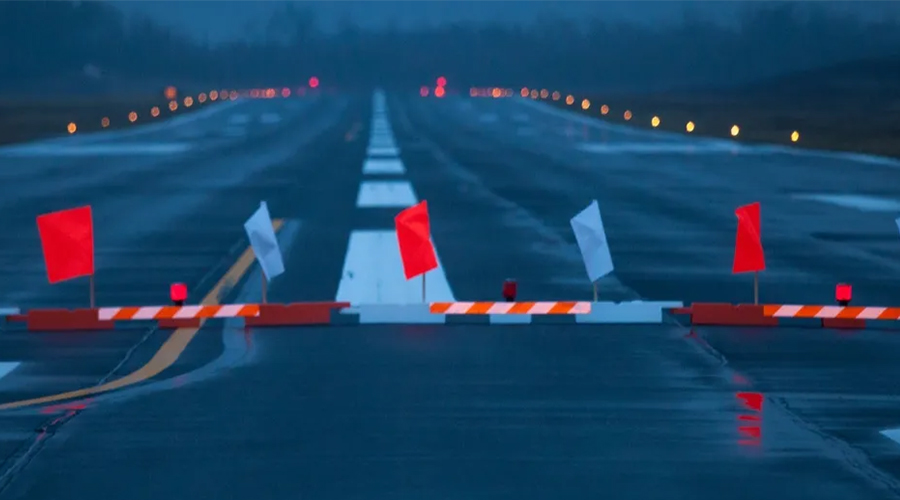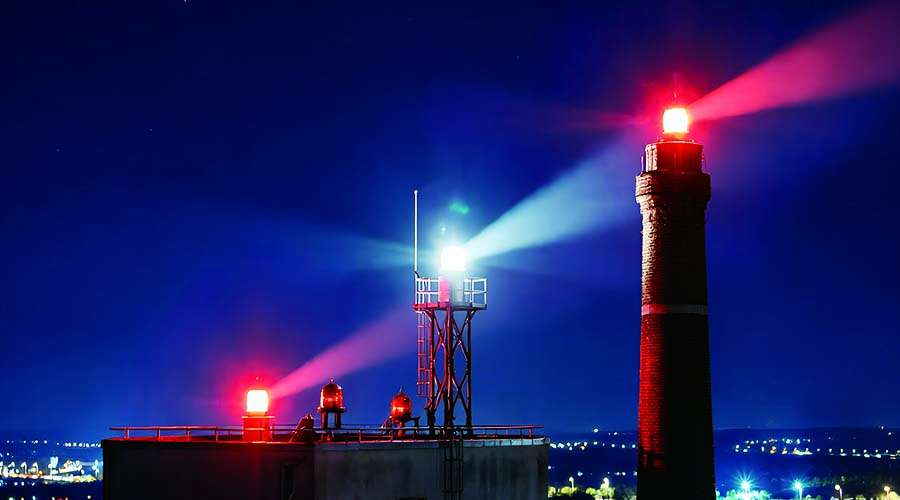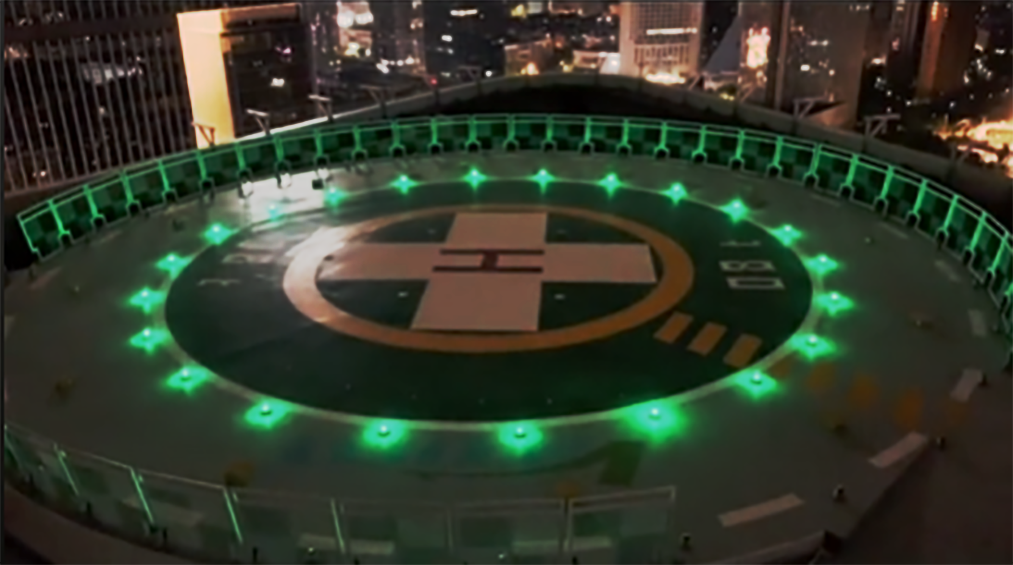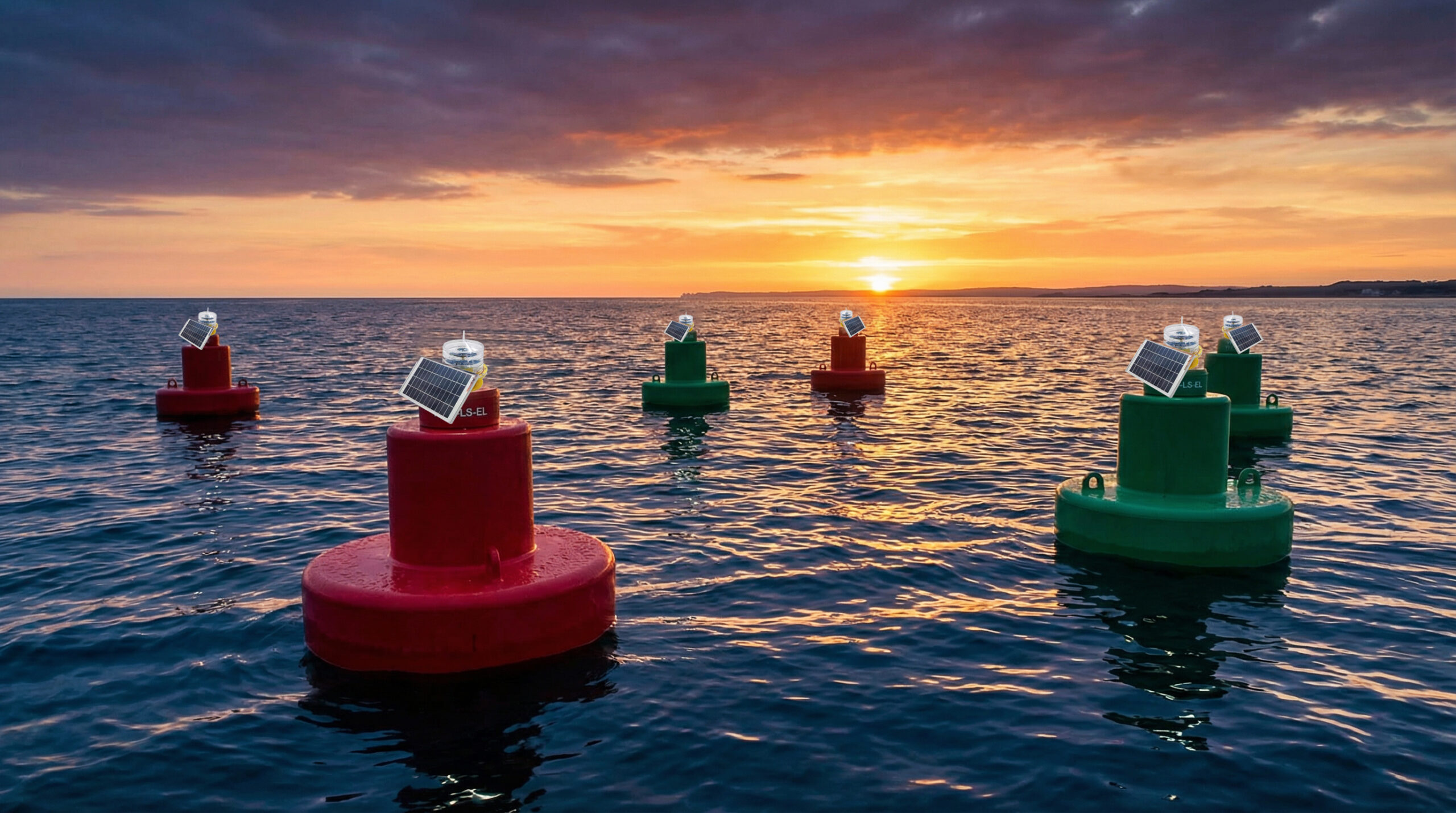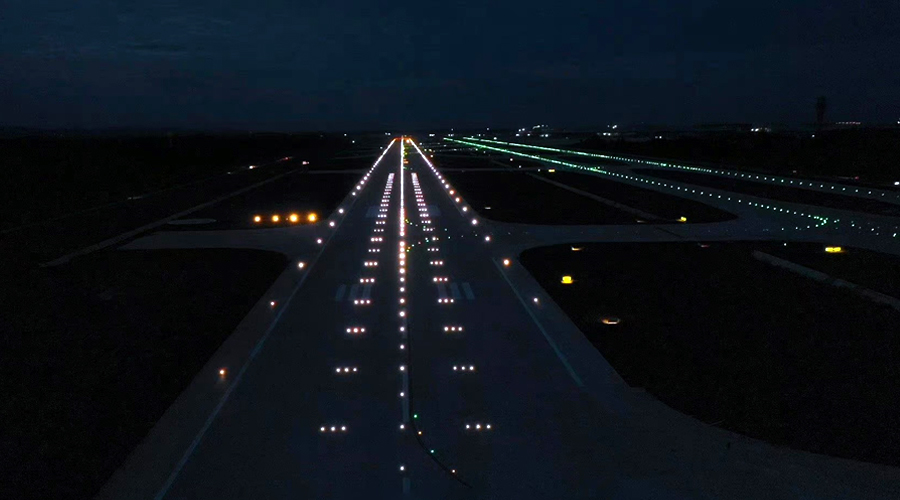
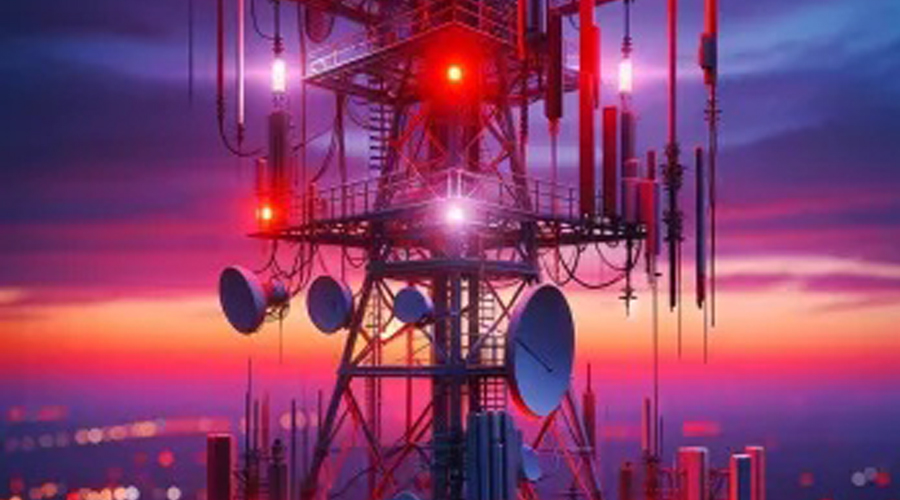
Solar obstruction lights are mainly used to warn of high-altitude obstacles, such as towers, chimneys, high-rise buildings, bridges and port machinery. They meet the standards of the ICAO.
Solar aviation obstruction lights are powered by solar energy and have a light-sensing control function. They can automatically flash at night to serve as a warning. Some models can also be customized with GPS synchronization.
So what factors will affect its performance during installation and use? Let’s find out together.
Factors Affecting the Performance of LED Solar Obstruction Lights
The performance of solar LED aviation obstruction lights is affected by many factors, mainly including: the quality and orientation of solar panels, the performance and capacity of batteries, weather conditions (especially sunshine hours), surrounding environmental obstruction, and maintenance.
These factors together determine the energy collection, storage and release capabilities of solar obstruction lights, thereby affecting their lighting effects and service life. The following are specific influencing factors:
1. Solar panel quality:
High-quality solar panels have higher conversion efficiency, can more effectively convert solar energy into electrical energy, and have a longer service life.
Angle
The ideal orientation and angle can maximize the reception of sunlight, thereby improving energy collection efficiency.
For example, in the northern hemisphere, the solar panels of solar warning lights are usually placed facing south, and the tilt angle is adjusted according to the season to adapt to different sunshine hours.
2. Battery type & capacity:
The quality and capacity of the solar light battery directly affect the stored power and the battery life of the obstacle light. High-quality batteries can store more energy and have a longer service life.
Battery aging:
As the use time increases, the performance of the battery will gradually decline, resulting in a decrease in the stored power, affecting the lighting time of the LED high-altitude obstruction light.
3. Sunlight intensity & duration:
Sunny weather is conducive to the charging of solar obstacle warning lights, while cloudy or rainy days will cause the solar panels to receive less light, thus affecting energy collection and storage, and then affecting the lighting effect.
Temperature:
High temperatures will reduce the efficiency of solar panels, while low temperatures may affect the performance of batteries, which will affect the overall performance of solar obstacle lights.
4. Surrounding environmental obstruction:
Surrounding obstructions will affect the lighting of solar panels and reduce energy collection efficiency.
Installation location:
Shadows caused by buildings, trees or other objects around the installation of aviation obstruction lights will reduce the lighting of solar panels, thereby reducing power generation.
5. Maintenance:
Dust and dirt on the surface of solar panels will affect the absorption of light, so regular cleaning can improve the efficiency of solar aviation light panels.
The battery is the most easily worn component in solar LED aviation obstruction lights and needs to be replaced regularly to ensure the normal operation of the obstruction light.
In summary, the performance of solar obstruction lights is affected by a combination of factors. In order to ensure the best performance of solar obstruction warning lights, it is necessary to select high-quality equipment and perform reasonable installation and maintenance according to actual conditions.