Precision & Accuracy: Providing Complete Sequential Flashing Lights – SFL System Solutions for Indonesian Airports.
Reliable visual guidance becomes especially important when aircraft approach a runway at night, during tropical storms, or in low-visibility conditions.
For many airports in Indonesia, changing weather, high humidity, heavy rainfall, and coastal salt exposure create additional challenges for airport lighting systems. In these environments, runway approach lighting must remain stable, visible, and easy to maintain year-round.
Recently, YFFY Lights completed the design and supply of a complete Sequential Flashing Lights (SFL) system for an airport project in Indonesia.
The project included:
- Sequential flashing lights
- Control systems
- Installation structures
- Technical support for the runway approach area
This article explains how SFL work, why they are important for runway safety, and what practical factors matter during installation and long-term airport operation.

What Are Sequential Flashing Lights?
Sequential Flashing Light, often called SFL or approach sequenced flashers, are part of an airport approach lighting system (ALS).
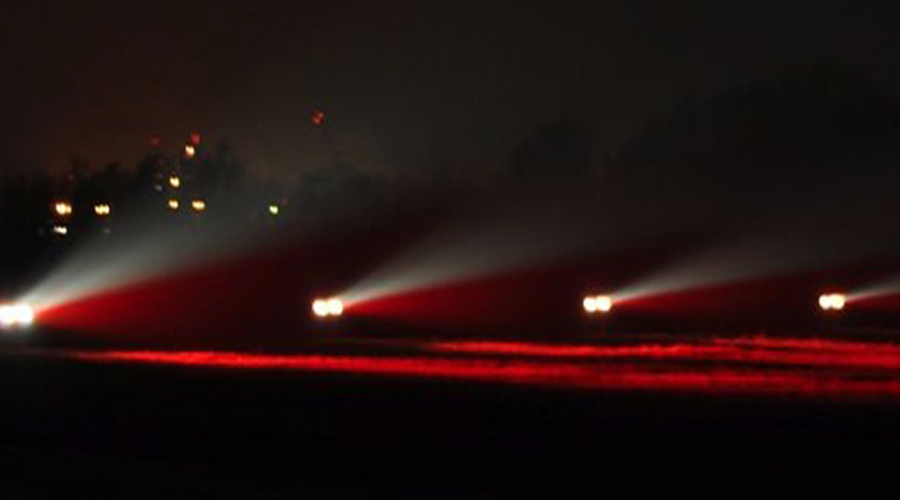
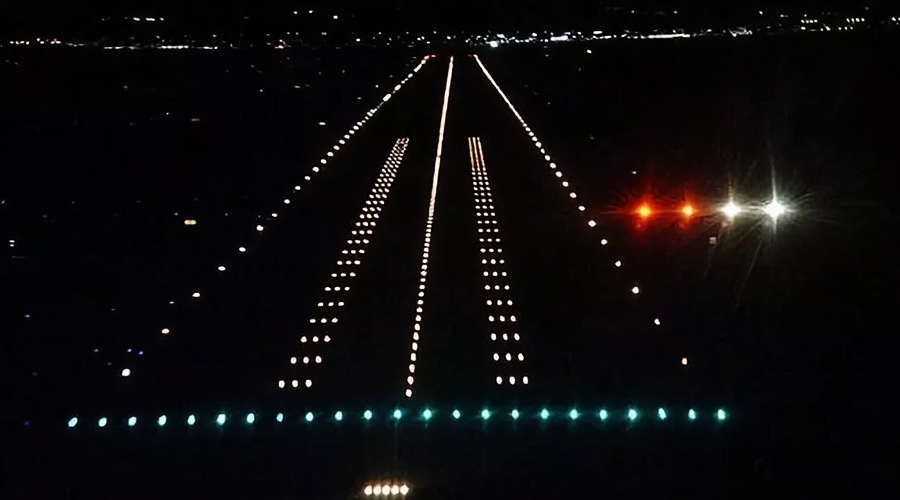
The system consists of high-intensity flashing lights installed in a straight line extending outward from the runway threshold. During operation, the lights flash rapidly in sequence toward the runway, creating a clear “running” visual effect for approaching pilots.
This moving light pattern helps pilots quickly identify the runway direction and alignment, especially in:
- Night operations
- Heavy rain
- Fog or haze
- Coastal airports
- Areas with strong background lighting
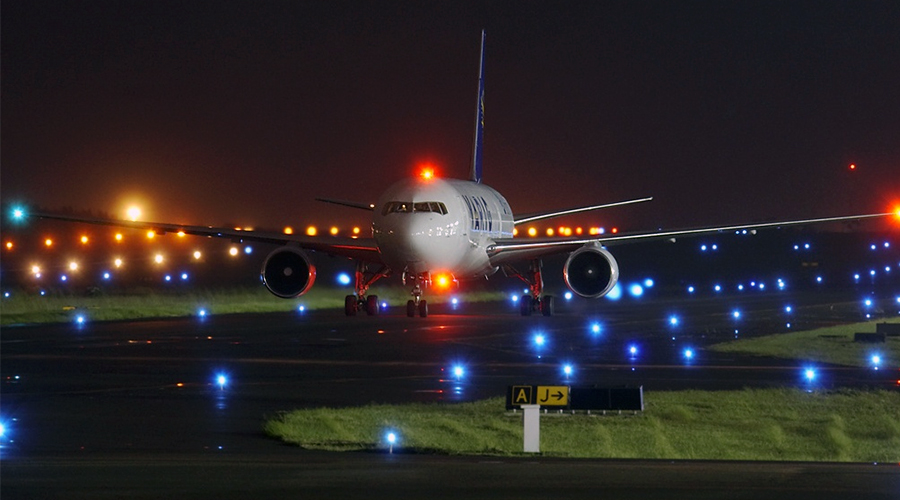
At busy or visually complex airports, sequential flashing lights help distinguish the active runway approach from surrounding taxiway and apron lighting.
Why Sequential Flashing Lights Matter in Tropical Airports
Airports in tropical regions such as Indonesia often operate in difficult environmental conditions.
Common challenges include:
- Sudden visibility changes
- High moisture levels
- Salt fog corrosion near coastal areas
- Frequent thunderstorms
- Intense UV exposure
- Heavy seasonal rainfall
Under these conditions, airport lighting systems must balance visibility, durability, and long-term reliability.
For pilots approaching during low visibility, the sequential flashing effect improves depth perception and runway recognition much earlier during final approach.
This becomes particularly useful in “black hole” approach environments, where surrounding terrain or water provides limited visual reference at night.
Key Features of Approach Sequenced Flashers System
The SFL system supplied for the Indonesia airport project was designed with both operational performance and environmental durability in mind.
High-Intensity LED Flashing of Sequential Flashing Lights
The system uses high-brightness LED light sources designed for long-distance visibility during rain, haze, and strong ambient lighting conditions.
Programmable Flashing Sequence
Flash speed and synchronization can be configured based on airport operational requirements and applicable international aviation standards.
Corrosion-Resistant Construction
Because of the coastal tropical environment, the lighting equipment uses corrosion-resistant materials including:
- 316 stainless steel
- Marine-grade aluminum alloy
- Weather-resistant protective housing
Surge & Lightning Protection
Equatorial regions experience frequent thunderstorms, making surge protection especially important for airport electrical systems.
Integrated lightning and surge suppression help improve long-term operational stability.
Sequential Flashing Lights – Remote Monitoring Support
The system supports centralized monitoring for operational status, including:
- Lamp condition
- Flash synchronization
- Power supply status
- System fault alerts
This reduces routine inspection workload for airport maintenance teams.
Installation Challenges & Practical Solutions
Installing sequential flashing lights requires far more precision than standard outdoor lighting systems.
For this project, several areas required careful coordination during the engineering phase.
Precise Alignment
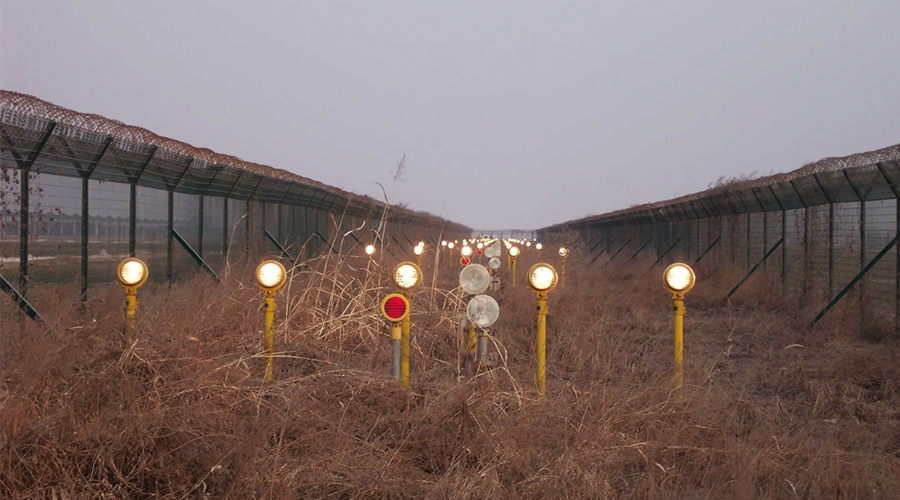
- Sequential flashing light must be installed along the extended runway centerline with strict spacing requirements.
- The installation team used GPS-based positioning tools to improve alignment accuracy across the entire approach area.
Flash Synchronization – Sequential Flashing Lights
- To create a smooth running-light effect, each flashing unit must operate with extremely accurate timing coordination.
- The control system automatically compensates for signal delays caused by cable length differences between fixtures.
Stable Power & Control Infrastructure
- Some airports face limitations with older electrical infrastructure or uneven power distribution.
- To improve operational stability, the project included redundant power configuration and fiber-optic communication control systems to reduce electromagnetic interference risks.
Operational Benefits After Installation
After deployment, the airport reported noticeable improvements in runway approach visibility during nighttime and poor weather operations.
Airport engineering teams also highlighted several practical advantages:
- Reduced maintenance inspection frequency
- Stable performance during monsoon season
- Improved visibility consistency for approaching aircraft
- Lower operational interruption risk during storms
For airports operating in tropical coastal regions, reliability often becomes more important than peak brightness alone.
A More Practical Approach to Airport Lighting Projects
Large airport lighting projects often involve more than simply supplying fixtures.
For this Indonesia airport project, the scope included:
- Sequential flashing lights
- Control systems
- Mounting structures
- Cabling solutions
- Technical support
- Installation guidance
Instead of sourcing components separately, many airports now prefer integrated airport lighting solutions that simplify compatibility, installation, and long-term maintenance planning.
For operators planning future runway upgrades, sequential flashing lights are commonly installed together with other airfield lighting systems such as:
- Runway edge lights
- Centerline lights
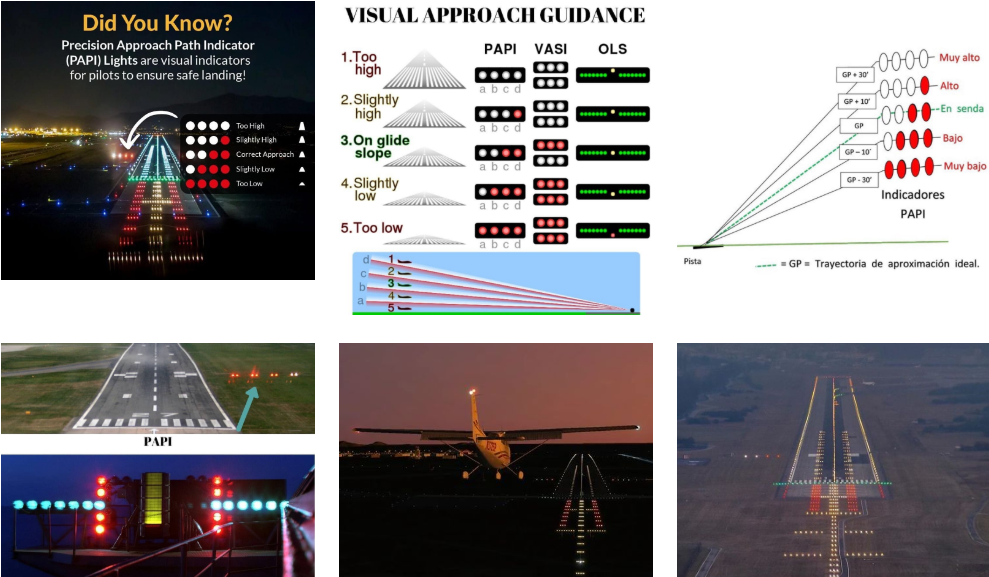
- PAPI lights
- Taxiway lighting
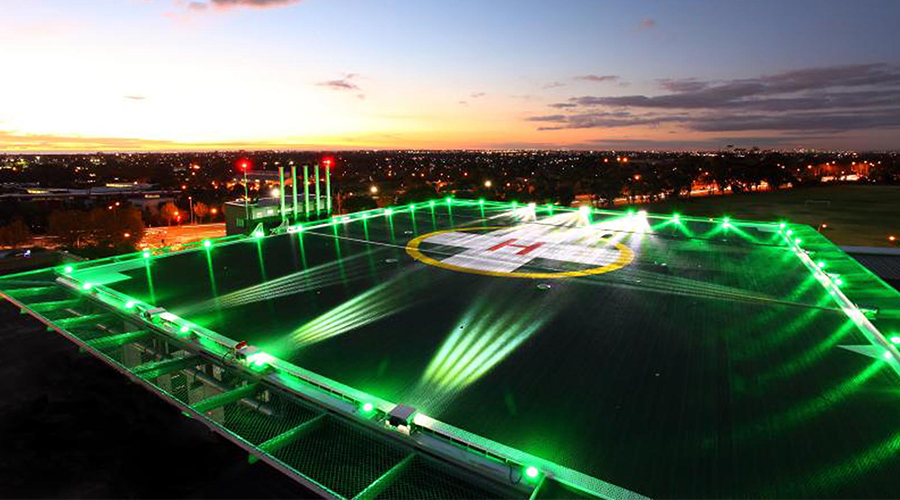
- Helipad lighting
- Inset runway lights

Sequential Flashing Lights are not simply a regulatory requirement for modern airports.
They are a practical visual guidance tool that helps pilots identify runway alignment earlier and operate more safely during low-visibility approaches.
For airports located in tropical or high-humidity environments, long-term durability and stable operation are just as important as lighting performance itself.
Projects like this Indonesia airport installation demonstrate how carefully designed airfield ground lighting systems can improve operational reliability while reducing long-term maintenance pressure for airport operators.