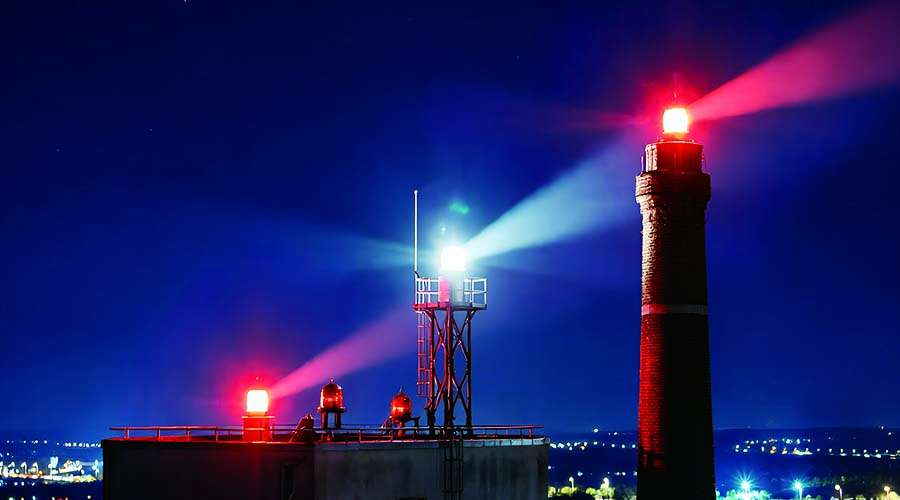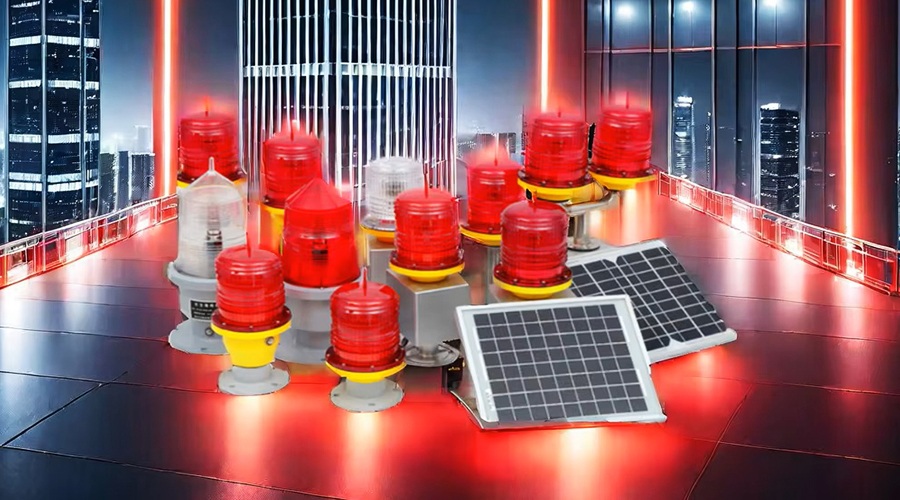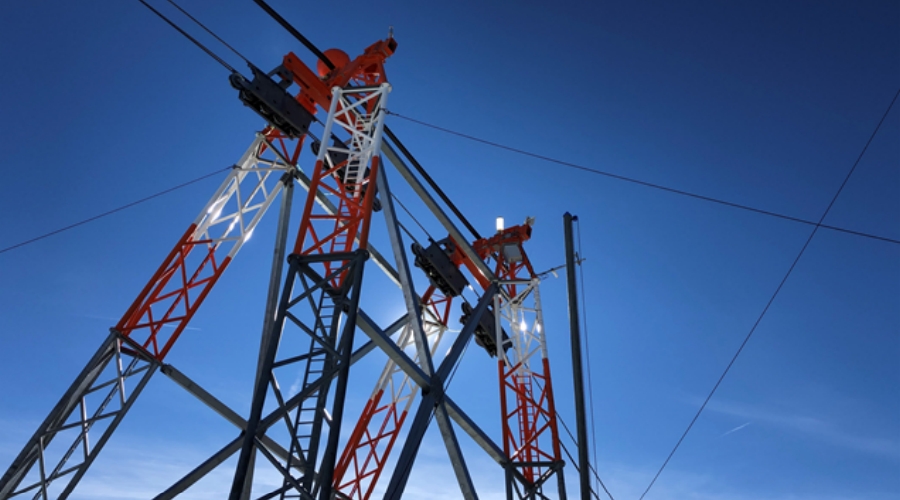
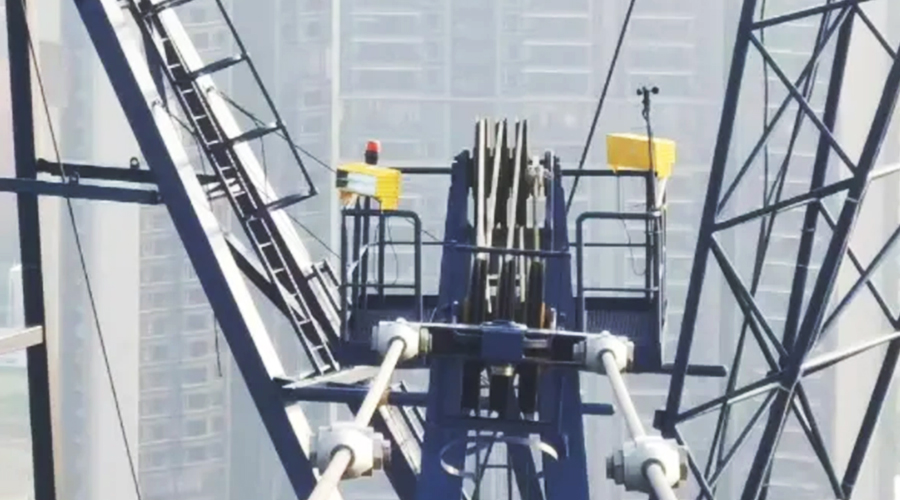
A financial building has installed our high-intensity obstruction lights. This aviation obstruction light emits 200,000 cd of white light during the day and 2,000 cd of white light at night, automatically adjusting its brightness according to the surrounding environment to effectively save energy.
It illuminates all day to alert pilots to the presence of a high-altitude building, protecting both the building and the aircraft.
This installation not only demonstrates the high importance modern architecture places on aviation safety but also showcases the innovative application of intelligent technology in infrastructure.
Features and Applications of High-Intensity Obstruction Lights
The high-intensity aviation obstruction light system installed in the building features environmental adaptability, automatically adjusting its brightness according to ambient light conditions. This intelligent design offers multiple advantages:
- All-weather Safety:
During the day, in strong light conditions, the obstruction light emits a high-intensity white light of 200,000 cd, ensuring clear visibility for pilots even in direct sunlight, fog, or rainy weather; at night, it automatically reduces to 2,000 cd, providing effective warning while avoiding light pollution.
- Energy Saving and Environmental Protection:
The intelligent brightness adjustment system significantly reduces energy consumption. Compared to traditional high-power, constantly lit obstruction lights, energy consumption can be reduced by more than 60%, meeting green building standards and reducing long-term operating costs.
- Extended Equipment Lifespan:
Adaptive adjustment reduces prolonged high-load operation of the lights, effectively extending equipment lifespan and reducing maintenance frequency and costs.
Installation Requirements for Aviation Obstruction Lights
According to the relevant regulations of the International Civil Aviation Organization (ICAO) and the Civil Aviation Administration of China, buildings protruding above 45 meters above ground or in surrounding open areas must install aviation obstruction lights.
For super high-rise buildings like financial buildings (typically exceeding 150 meters in height), high-intensity aviation obstruction light systems must be installed.
The Requirements for Installing High-intensity Obstruction Warning Lights Include:
- Brightness Standard: Must meet the light intensity standards stipulated by the International Civil Aviation Organization (ICAO), reaching at least 200,000 cd during the day, and adjusted according to the environment at night.
- Flashing Frequency: Typically uses a flashing frequency of 20-60 times/minute to distinguish it from other light sources.
- Coverage: Ensures clear visibility from all flight directions.
- Reliability: Possesses a high waterproof rating (usually IP65 or higher), lightning protection, and wind resistance.
- Backup Power: Equipped with an emergency power system to ensure normal operation even in the event of a main power failure.
- Convenient Maintenance: The design should facilitate regular inspection and maintenance.
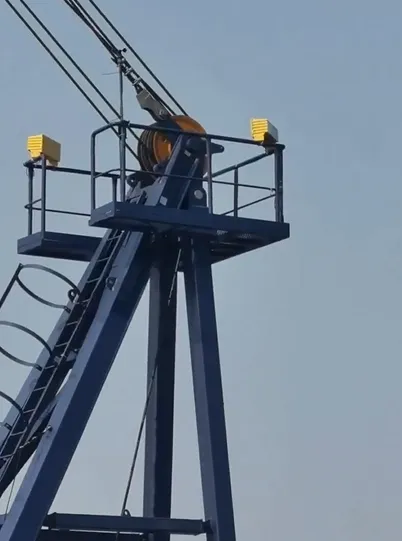
Wide Applications of High-Intensity Aircraft Warning Lights
Besides supertall buildings like the Financial Tower, high-intensity lights are widely used in many fields:
- Power Infrastructure: High-voltage transmission towers, wind turbines, especially facilities located near flight paths or at high altitudes
- Communication Facilities: Tall structures such as television and radio towers, microwave transmission towers, and mobile communication base station towers
- Transportation Facilities: Main towers of large bridges, navigation facilities near airports, port cranes, etc.
- Energy Facilities: Offshore high-altitude facilities such as oil drilling platforms and natural gas platforms
- Mountainous Buildings: High-rise buildings located in mountainous or hilly areas, even if not inherently tall, require installation due to their prominent location
- Special Structures: Large chimneys, water towers, monuments, and other tall, independent structures
The successful installation of high-intensity aviation obstruction lights on the Financial Tower sets a new benchmark for urban high-altitude safety.
As city skylines continue to rise, this intelligent and efficient aviation safety equipment will become standard equipment on more high-rise buildings, ensuring aviation safety while also reflecting modern architecture’s respect for life and pursuit of technological innovation.
In the future, with the development of IoT technology, aviation obstruction light systems may further integrate remote monitoring, fault warning and data analysis functions to build a more intelligent urban air safety network, making our skies more orderly and safer.