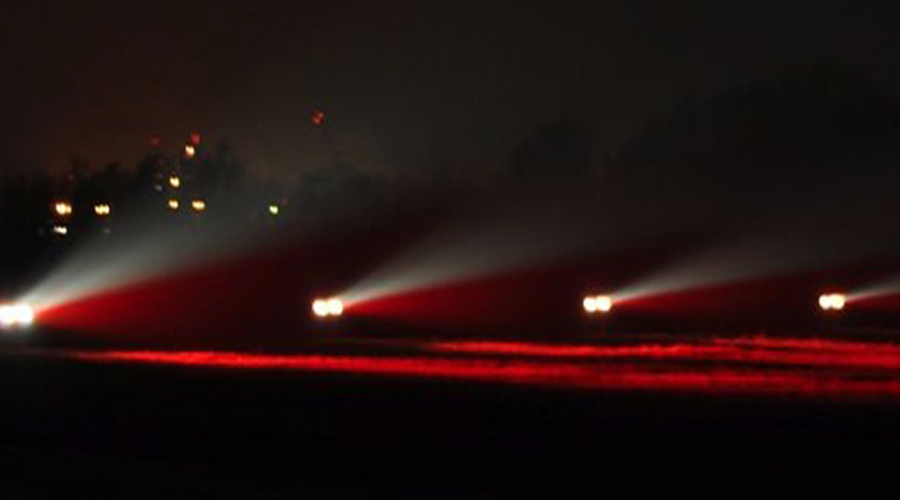
PAPI lights, or Precision Approach Path Indicators, are visual aids used to guide pilots to maintain the correct glide path.
They consist of four high-brightness bulbs and are used by aircraft during landing. PAPI lights are typically positioned to the left of the runway touchdown area.
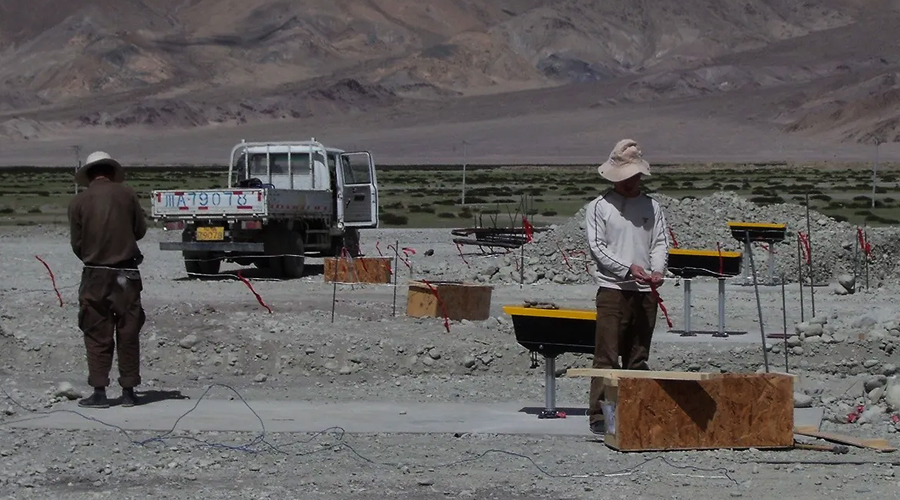
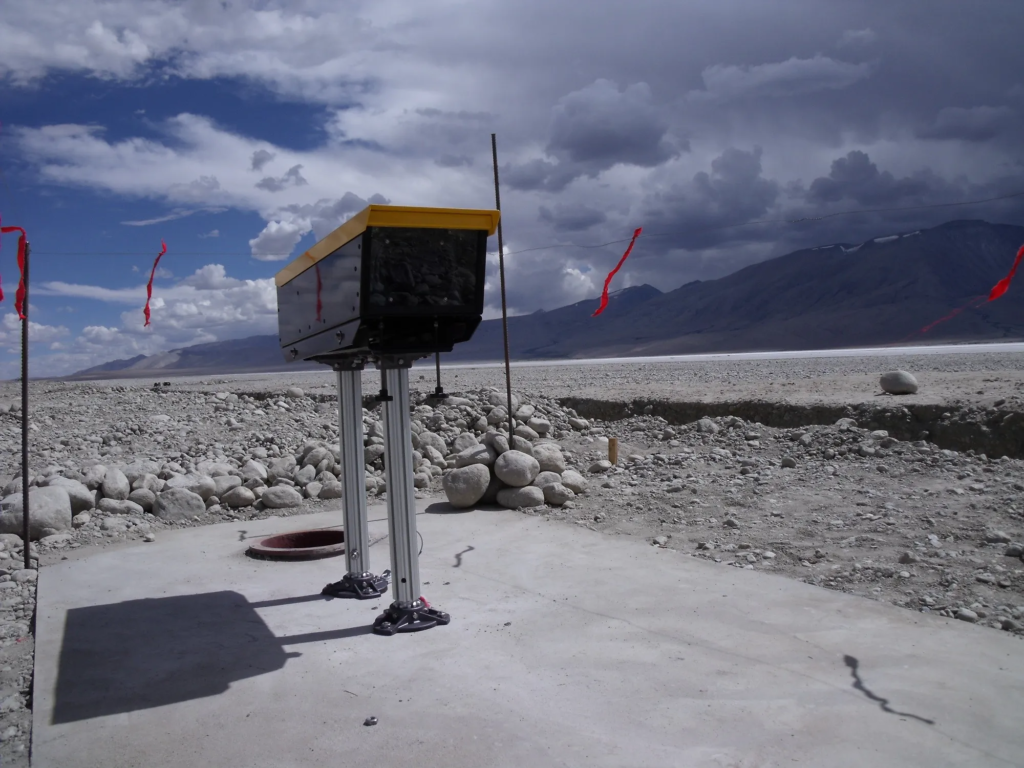
The YFFY Airport PAPI lights project was successfully installed at Ali Kunsha Airport, with the poster over 4,200 meters high, providing safety guidance for aircraft landings.
At Ali Kunsha Airport, a high-altitude airport exceeding 4,200 meters, the YFFY PAPI light was installed with military-grade precision, successfully overcoming the challenges of visual navigation in extreme high-altitude environments.
This project not only became a benchmark case for PAPI LED light installation at high-altitude airports worldwide but also set a new standard for aviation safety by strictly adhering to international civil aviation standards.
I. Project Background
The Extreme Challenges of a High-Altitude Airport Ali Kunsha Airport, the world’s third highest civilian airport, presents stringent requirements for navigation equipment due to its unique geographical environment:
1. Extreme Climate:
Diurnal temperature range exceeding 40°C, wind speeds often reaching level 12, traditional equipment is prone to failure due to thermal expansion and contraction or wind effects;
2. Low-Oxygen Environment:
Air density is only 60% of that at sea level, posing challenges to lamp heat dissipation and light source stability;
3. Complex Terrain:
Surrounded by mountains, the runway requires precise calibration of the glide slope angle to avoid terrain interference.
Against this backdrop, the YFFY PAPI light, with its military-grade wind and waterproof design (resistant to wind speeds of 120 km/h, IP67 protection rating) and ultra-long-life LED light source (lifespan ≥ 50,000 hours), became the only solution to pass the high-altitude environment verification.
II. Installation Standards of Airport PAIPI Lights
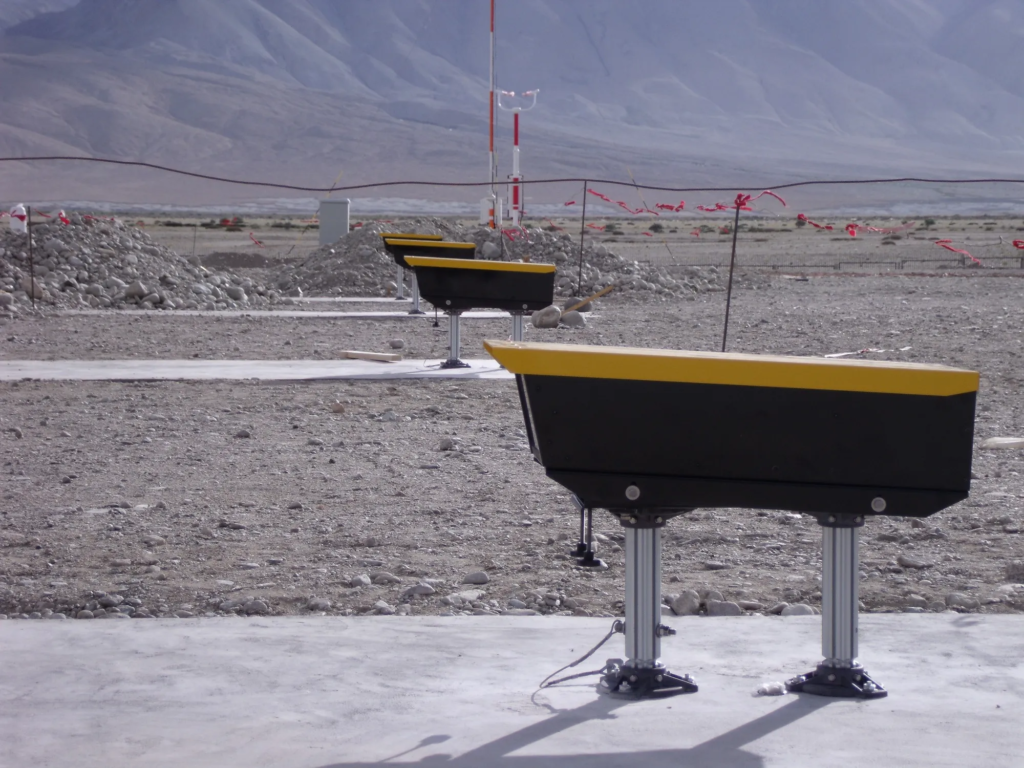
The installation process of the Ali Kunsha PAPI Airport lights perfectly embodies the stringent standards of both the International Civil Aviation Organization (ICAO) and the Federal Aviation Administration (FAA):
1. Position and Angle Calibration
- Installation Position: The airport lights are 350m from the runway threshold (standard range 300-500 meters), with the inner edge 15m from the runway edge (error ±1 meter), ensuring coverage of the approach area;
- Angle Calibration: The glide slope angle is precisely set to 3° using a laser inclinometer (compliant with ICAO standards, allowable range 2.5°-3.5°), with calibration errors ≤ ±0.05° vertically and ≤ ±0.1° horizontally;
- Light Spacing: 4 lights are arranged equidistantly, with a spacing error ≤ ±1 meter, and a minimum of 6 meters, ensuring color zoning continuity.
2. Optical System Design
- Color Zoning: Each airport PAPI light uses a red filter and dual lenses to divide the beam into an upper white light and a lower red light region, with the red-white dividing plane perfectly coinciding with the standard glide slope;
- Beam Diffusion Angle: Horizontal diffusion angle 12° (covering ±6° viewing angle), vertical diffusion angle 0.8° (ensuring accurate color zoning), avoiding pilot viewing angle deviation.
3. Environmental Adaptability Verification
- Temperature Test: Continuous operation for 72 hours in an environment ranging from -40℃ to +60℃, with a light source brightness attenuation rate of <3%;
- Wind Pressure Test: Simulating continuous impact from a Category 12 hurricane (wind speed 117km/h), the light fixture structure showed no deformation;
- Salt Spray Test: Passing a 480-hour salt spray corrosion test, ensuring long-term reliability in coastal and high-humidity areas.
III. Core Function of the PAPI Lights
In the complex approach environment of Ali Kunsha Airport, the YFFY-PAPI airport light, through a combination of red and white light, provides pilots with intuitive altitude judgment:
- 1. Level 5 Signal System of PAPI Light
| Lighting Combinations | Altitude Status | Operational Suggestions |
| 4 White Lights | Above the glide slope >3.5° | Go around immediately to avoid overrunning the runway |
| 3 White Lights & 1 Red Lights | Above the glide slope 2.5°-3.5° | Increase the rate of descent and correct the altitude |
| 2 Red Lights & 2WhiteLights | Located on the standard glide slope (3°) | Maintain the current attitude and continue the approach |
| 3 Red Lights & 1WhiteLights | Below the glide slope 2.5°-3.5° | Reduce the rate of descent to avoid a hard landing |
| 4 Red Lights | Below the glide slope >3.5° | Pull up the nose to prevent ground contact |
- 2. Actual Flight Verification
During the test flight in November 2021, the Civil Aviation Flight Inspection Center of China used a Gulfstream 450 aircraft to verify the reliability of the YFFY PAPI lights under conditions of -25°C and level 10 gusts:
- Lifespan and Efficiency: The LED light source has a lifespan of 50,000 hours, 50 times that of traditional incandescent bulbs, reducing maintenance costs; airport lights can be quickly replaced, with a single light maintenance time of less than 15 minutes, improving airport operational efficiency.
- Data Comparison: Laser trackers showed that the actual glide slope and PAPI light indication angle error was only 0.03°, far below the ICAO requirement of ±0.1°;
- Pilot Feedback: “The red and white light switching is clear, and even in sandstorm weather with visibility of only 3 kilometers, altitude can still be accurately determined.”
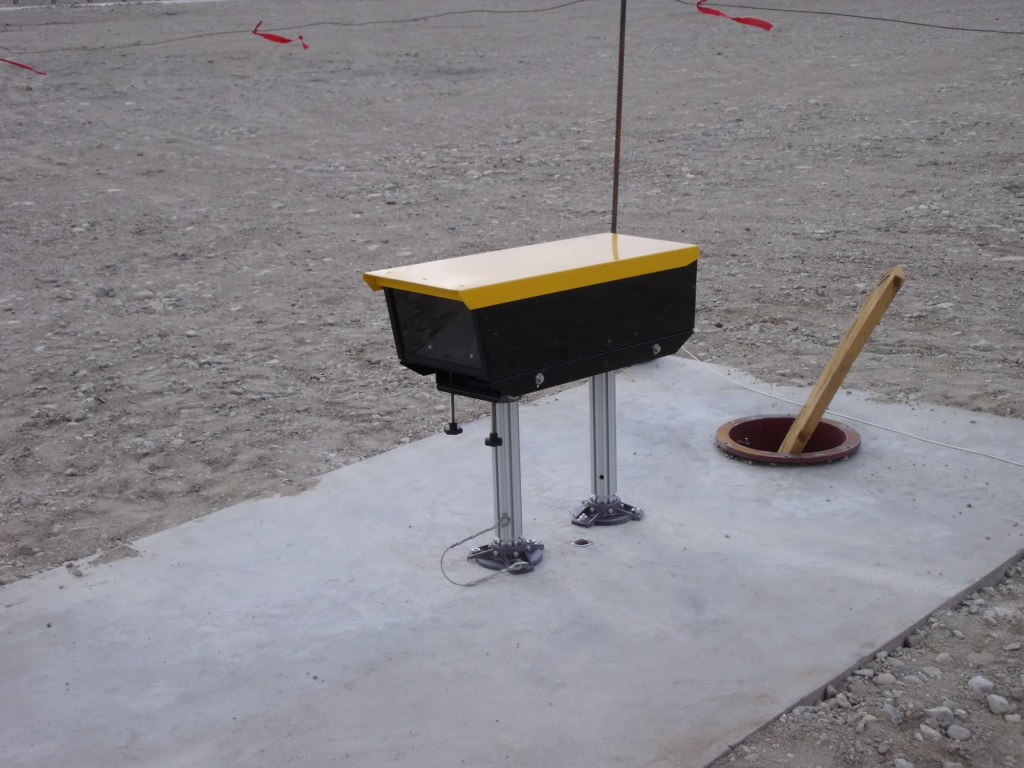
The successful implementation of the Ali Kunsha Airport PAPI light project not only verified the technical capabilities of the YFFY airport ground lighting system in extreme environments but also demonstrated our commitment to aviation safety.
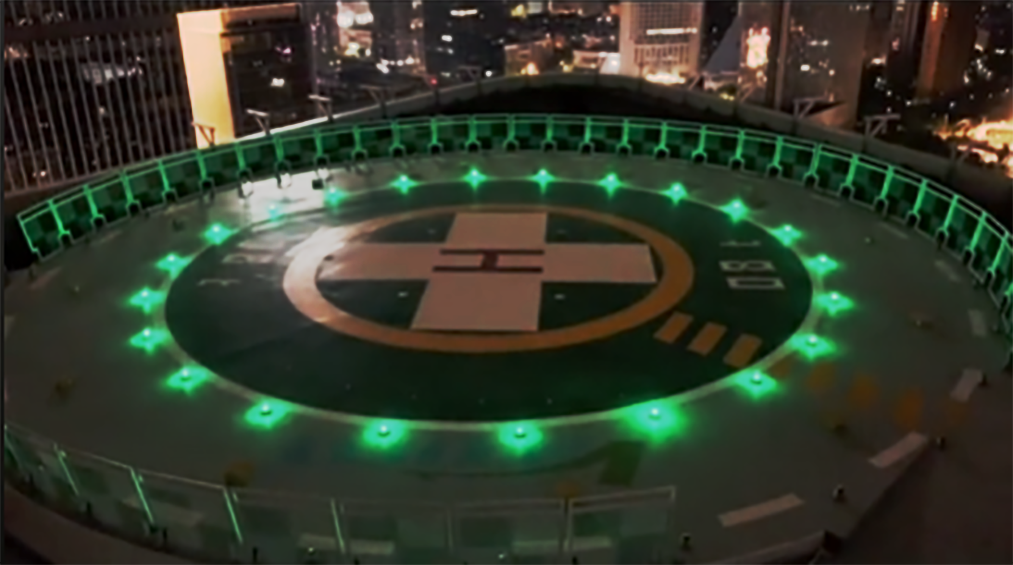
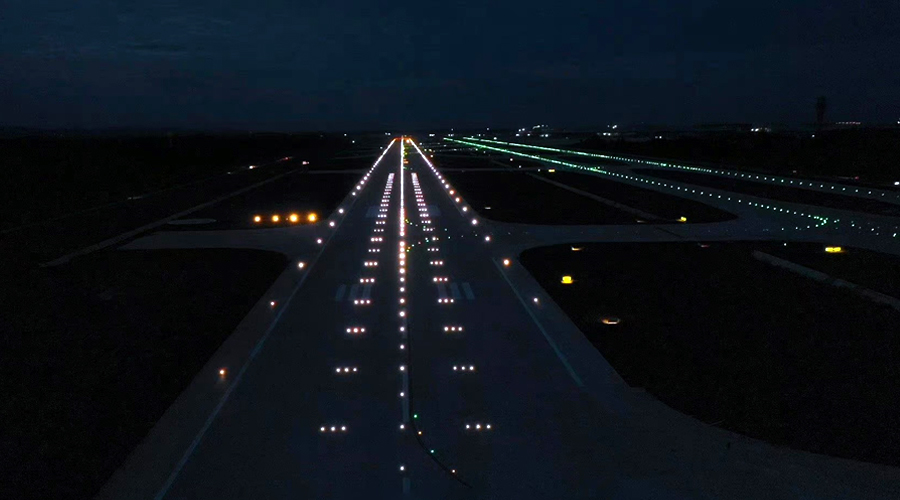
Whether it’s a high-altitude airport, a coastal airport, or an airport with complex terrain, YFFY airport lights can provide customized solutions for runway lights, taxiway lights, edge lights, centerline lights, helipad lights, and other aircraft warning lights.
Contact us now for installation guidelines and product references.