What Do 4 White PAPI Lights Mean? Airport PAPI Guide
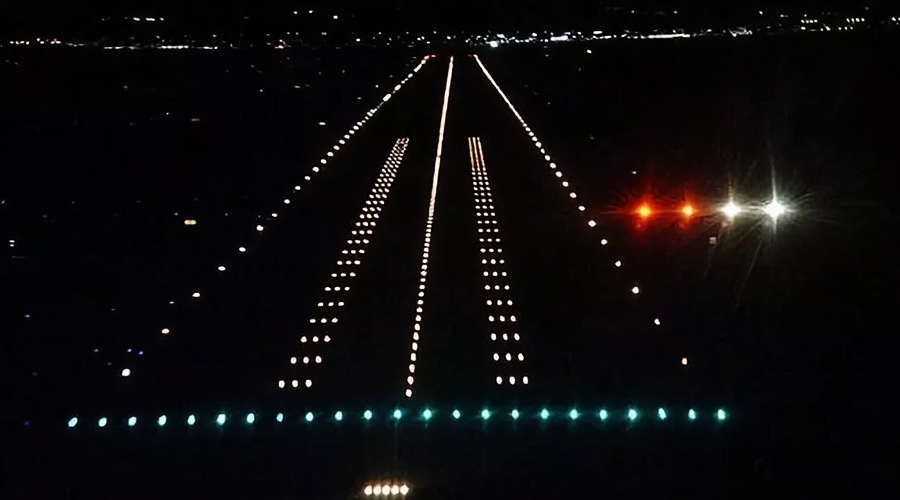
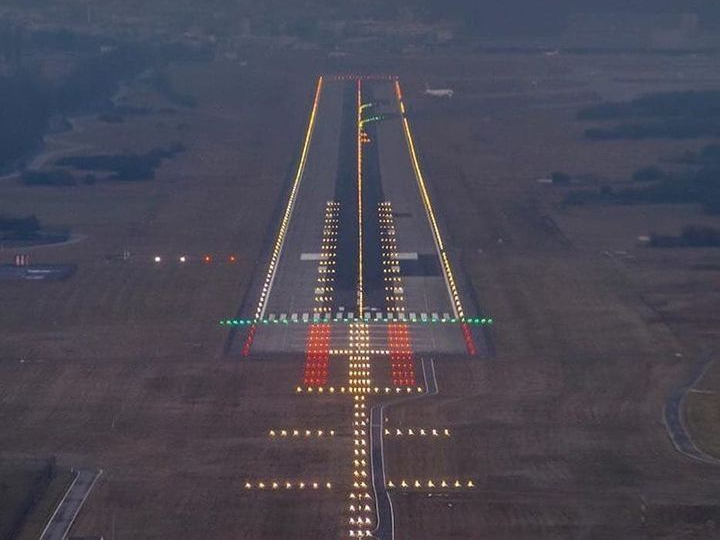
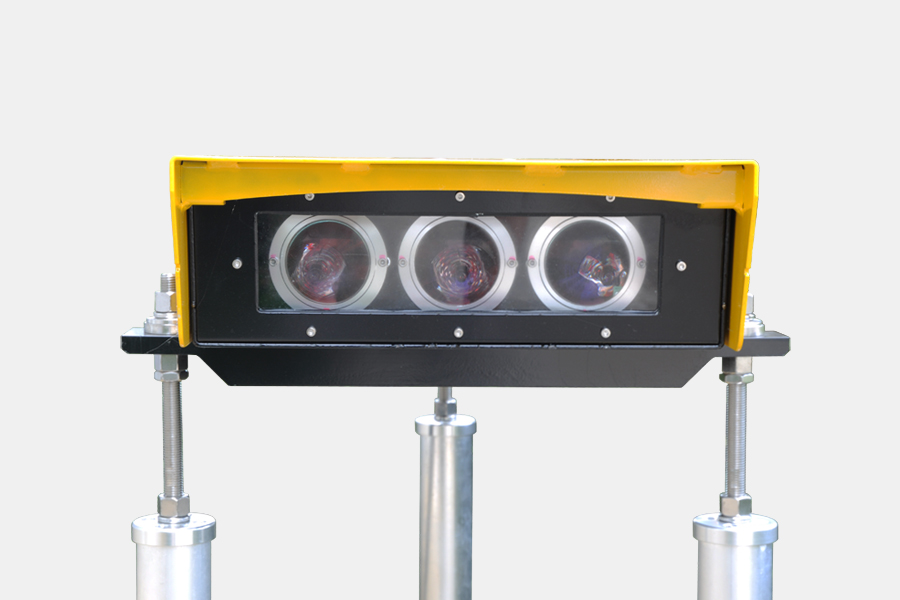
PAPI (Precision Approach Path Indicator) is a visual aid system used at airports to help pilots maintain the correct glide path during landing. It consists of a set of four light units positioned beside the runway, usually on the left side.
White PAPI light is one of the five lighting modes of PAPI lights. The white PAPI lights (Precision Approach Path Indicator Lights) are a key visual navigation signal for aviation safety. Its core function is to provide pilots with intuitive and real-time glide path guidance to ensure that the aircraft lands safely at the correct angle and altitude.
See how YFFY LED PAPI Lights enhanced landing safety at a regional commercial airport. Read Full Case Study →
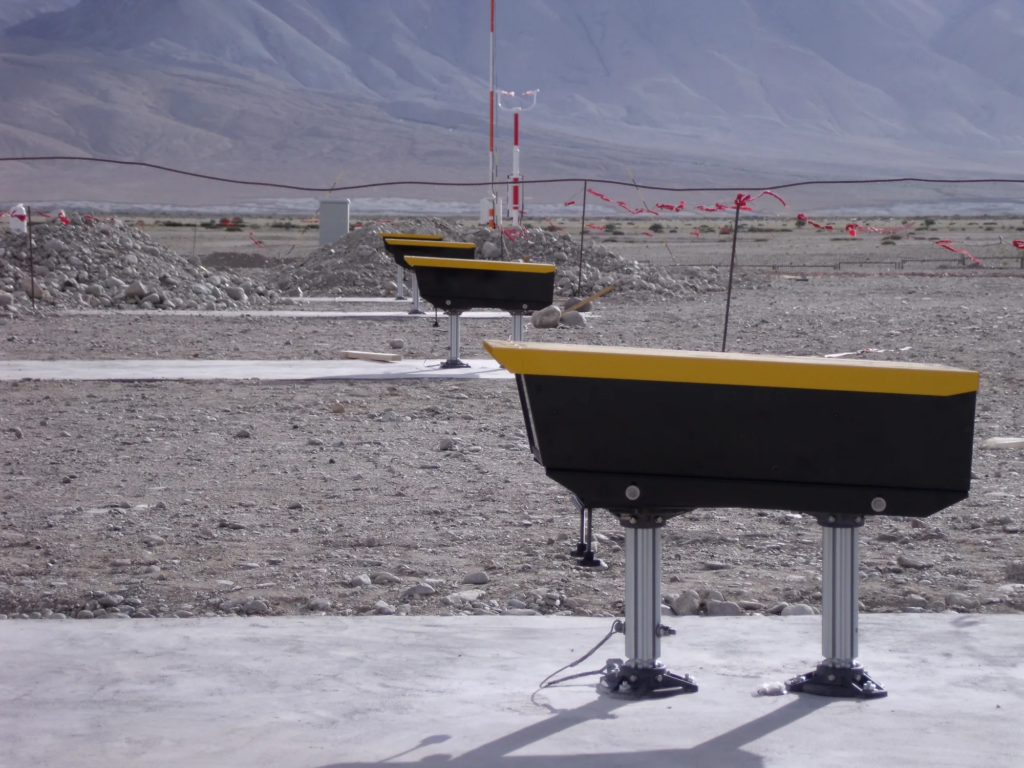
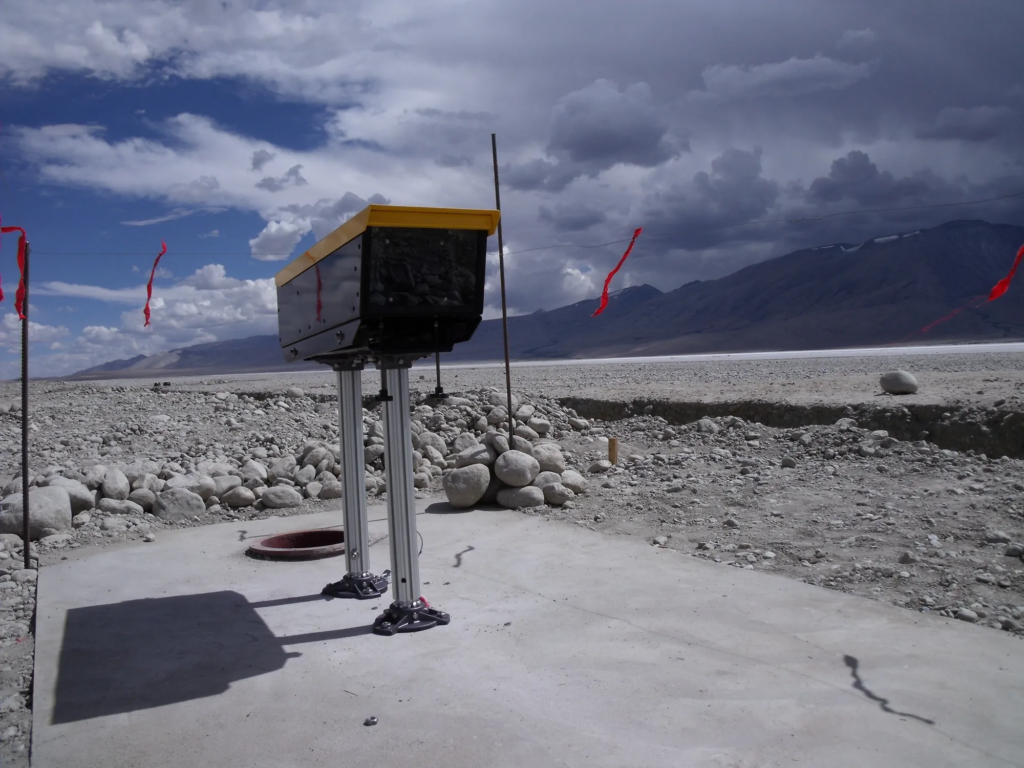
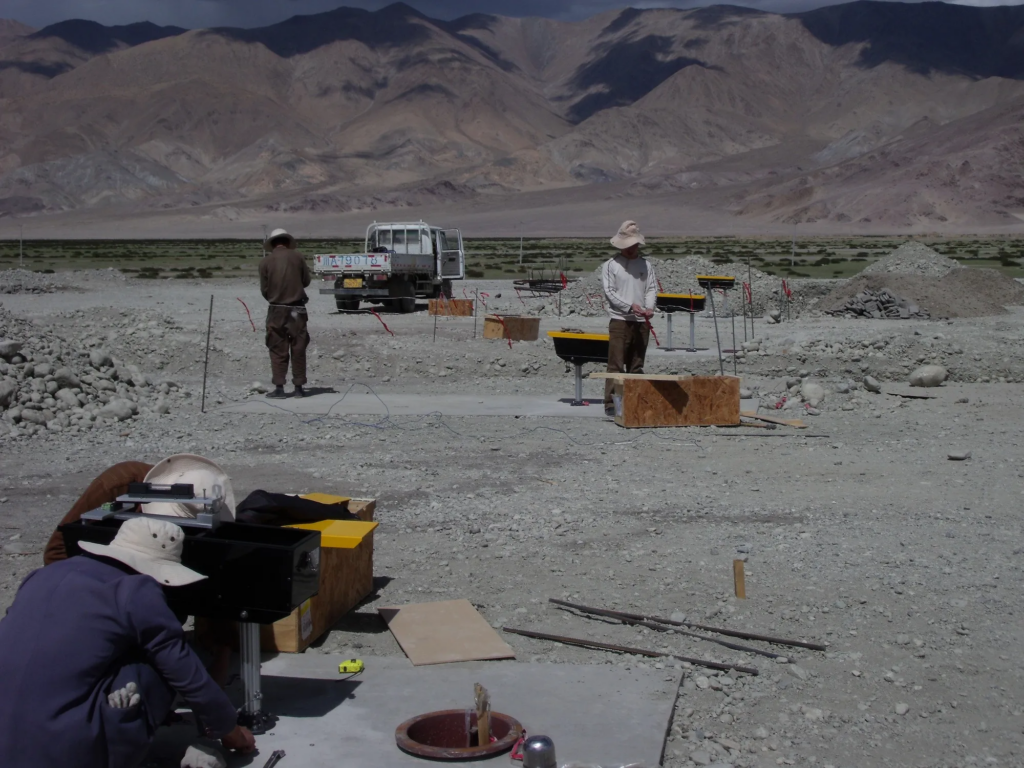
When a pilot sees 4 white PAPI lights, immediate descent adjustment is required. To maintain ultimate aviation safety, airports require precision-engineered, stable, and highly reliable visual ground aids.
As a leading airport ground lighting manufacturer, YFFY supplies ICAO-compliant, marine-grade PAPI light units designed to withstand the harshest airfield environments. Whether you are upgrading an existing runway or building a new heliport, choosing commercial-grade systems ensures uninterrupted compliance and zero operational downtime.
The Core Function of PAPI Lights
- 1. Accurately guide the glide path
The airport PAPI lights use a combination of red and white light to intuitively display the position of the aircraft relative to the ideal glide path (usually 3°), helping pilots to adjust the altitude in time to avoid dangerous approaches.
- 2. Enhance landing safety
In low visibility, at night, or in complex weather conditions, PAPI airport lights provide pilots with reliable visual references, reduce human judgment errors, and reduce the risk of landing accidents.
- 3. Global standardization & strong adaptability
Airports around the world use a unified PAPI light signal standard to ensure that pilots can quickly understand and respond correctly, wherever they fly.
- 4. Economical, efficient, stable & reliable
Compared with complex electronic glide slope systems, PAPI lights have low maintenance costs and low failure rates, and PAPI lights are suitable for all types of airports, including small runways in remote areas.
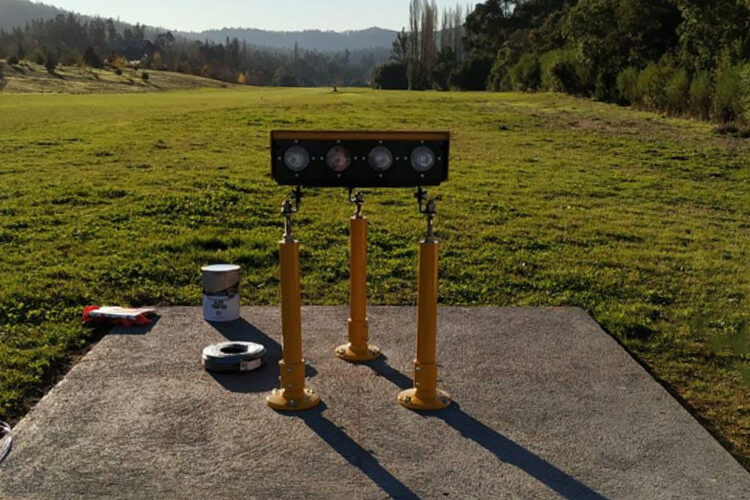
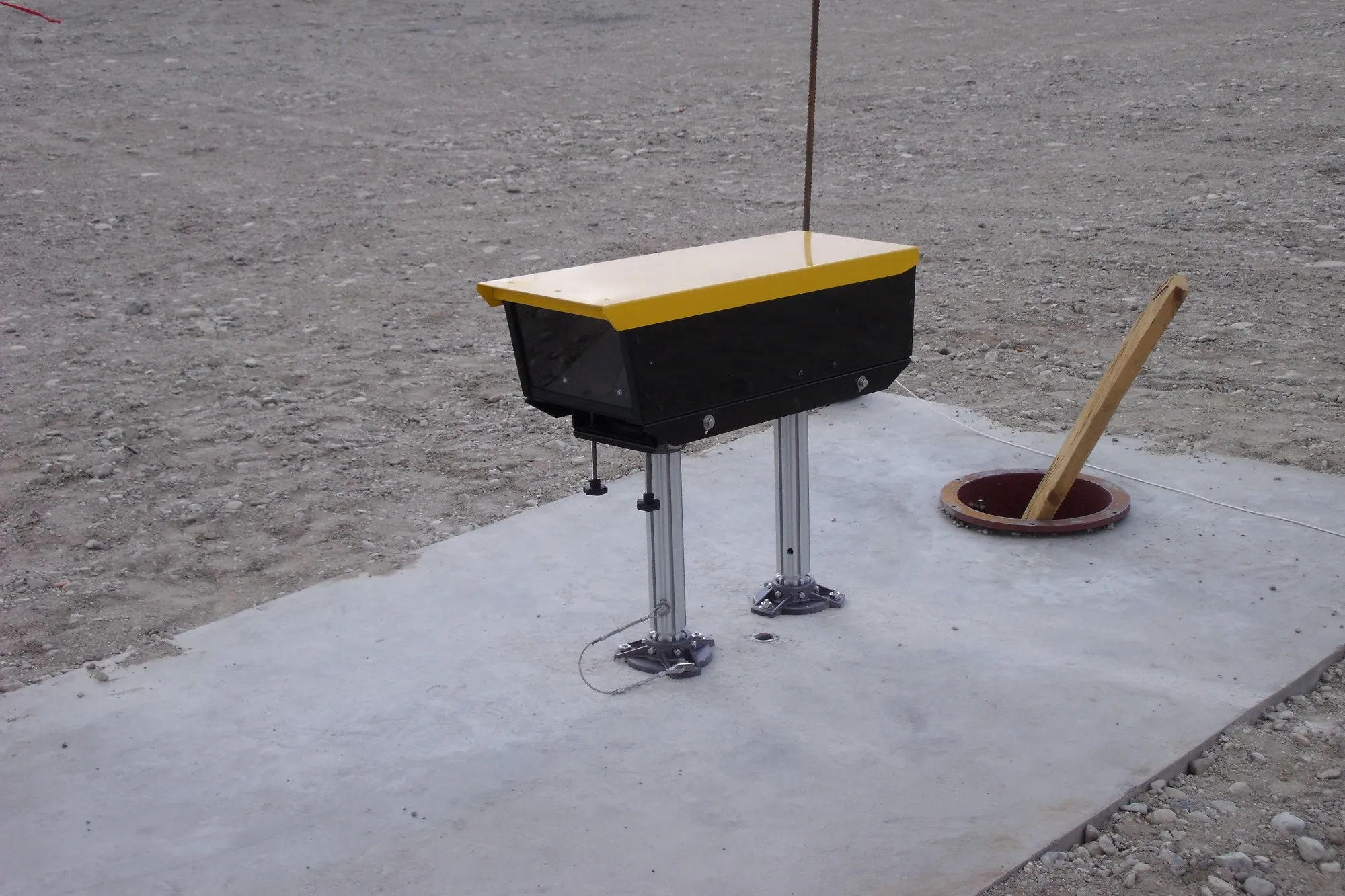
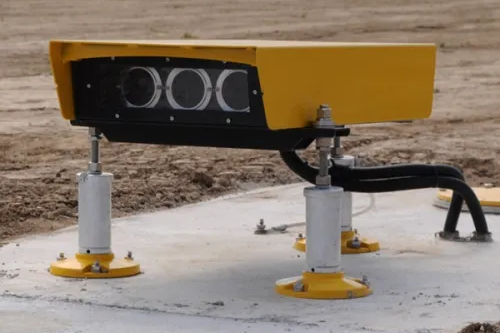
🛬 How PAPI Works:
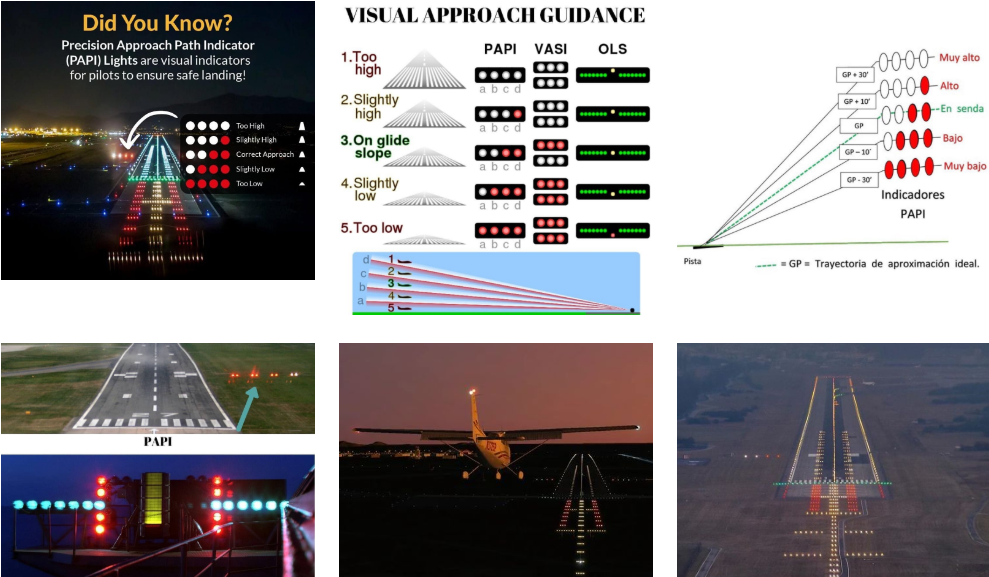
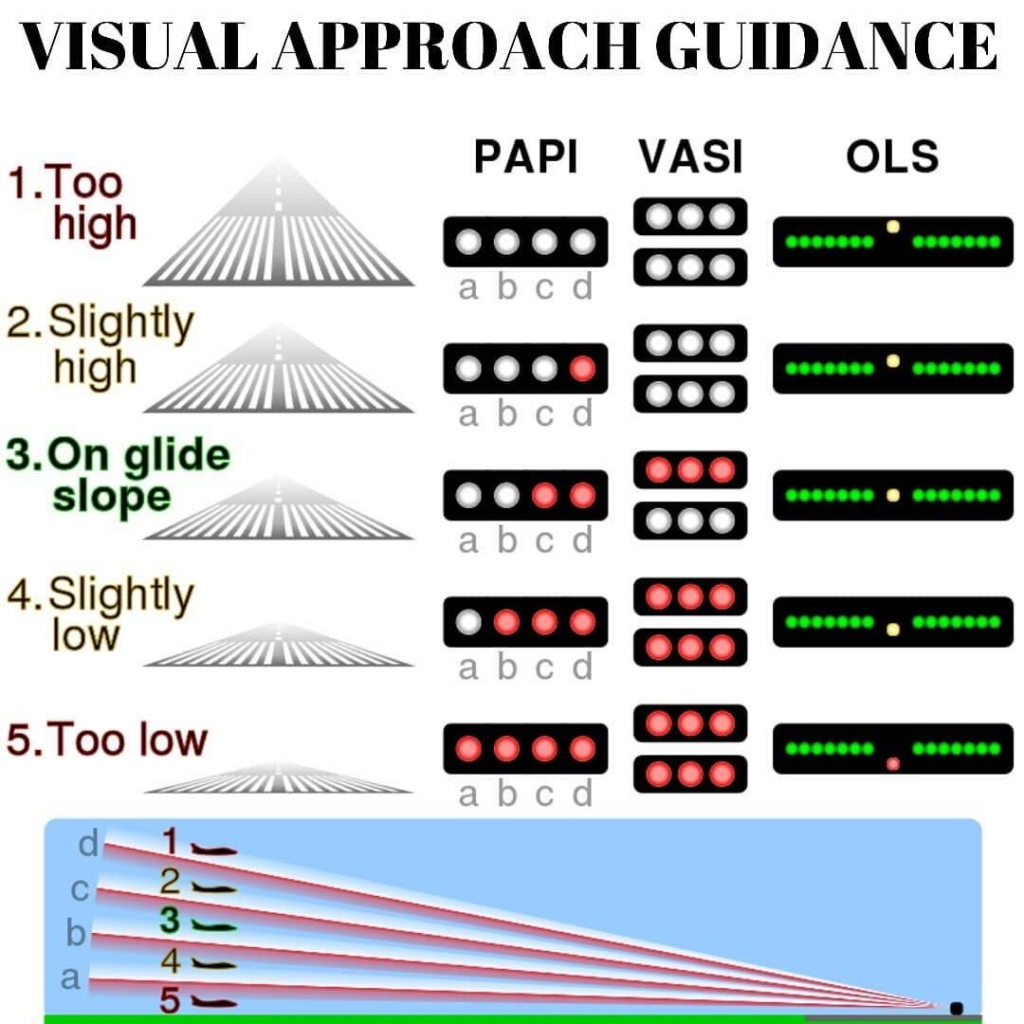
The system emits red and white PAPI lights that change based on the aircraft’s approach angle.
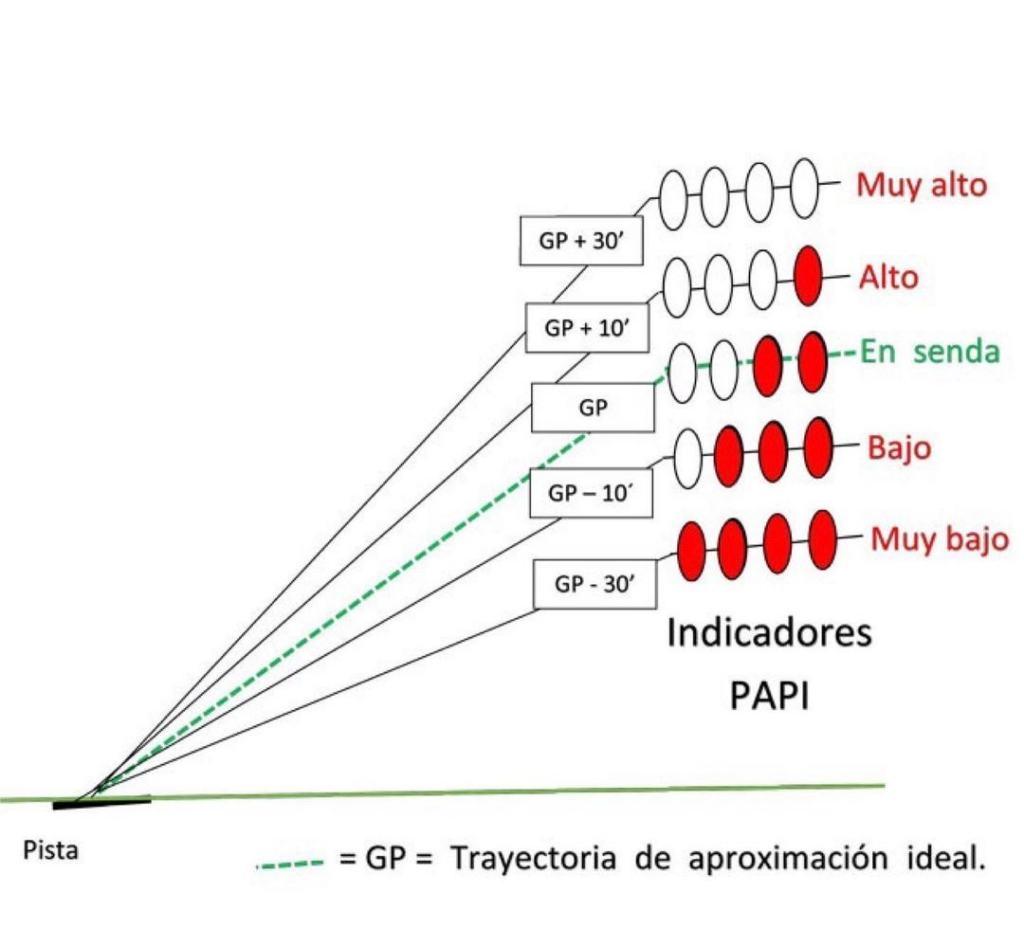
👮♂ Pilots interpret the lights as follows:
| Light Pattern (Left to Right) | Meaning for Pilot | Glide Angle (approx.) |
|---|---|---|
| ⚪⚪⚪⚪ (Four white) | Too High | > 3.5° |
| ⚪⚪⚪🔴 (One red, three white) | Slightly High | ~ 3.2° |
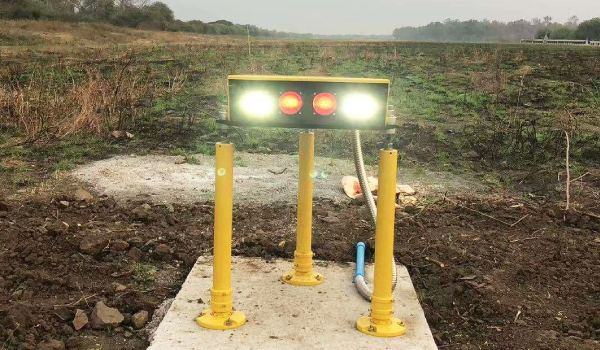
| ⚪⚪🔴🔴 (Two red, two white) | On Glide Path (Ideal) | 3.0° |
| ⚪🔴🔴🔴 (Three red, one white) | Slightly Low | ~ 2.8° |
| 🔴🔴🔴🔴 (Four red) | Too Low (Dangerous) | < 2.5° |



What Does 4 White PAPI Lights Mean?
Precision Approach Path Indicator Lights are usually composed of 4 light units, and their color combination directly reflects the relationship between the aircraft and the ideal glide slope.
Among them, 4 white PAPI lights (all white) are one of the most noteworthy states, and their meanings are as follows:
4 white PAPI airport warning lights ( ⚪⚪⚪⚪ )-the aircraft is far above the glide slope:
- When the pilot sees four white PAPI lights, it means that the aircraft’s approach angle is too high, far above the standard glide slope (usually greater than 3.5°).
At this time, the aircraft may face the following risks:
- Landing distance is too long: Too high a glide angle may cause the aircraft to touch down in the middle or end of the runway, increasing the risk of running off the runway.
- Risk of hard landing: The pilot may need to make significant adjustments to the pitch attitude to reduce altitude, which could result in a hard landing.
- Critical period for go-around decision: If the altitude cannot be lowered in time, the pilot should decisively perform a go-around to ensure safety.
Pilot Response Measures:
- Appropriately reduce thrust and increase the descent rate
- Check the matching of altitude and speed
- If it cannot be corrected in time, a go-around should be performed
Recommendation of Professional PAPI Lights
For PAPI light systems that require high precision and high reliability, YFFY Lights’ Precision Approach Path Indicator (PAPI) Light is recommended.
This product complies with the standards of the International Civil Aviation Organization (ICAO) and has the advantages of high brightness
LED light source, strong weather resistance, and low power consumption, and it is suitable for various airport environments.
Airport Precision Approach Path Indicator Lights are key equipment to ensure flight safety, and the four white lights (all white) are important signals to warn that the aircraft is too high.
Pilots must adjust or perform a go-around in time. Correctly understanding white PAPI light signals can greatly improve the safety of approach and landing and reduce aviation accidents caused by human errors.
🚨 Why “4 White PAPI lights” Matters
Seeing four white PAPI lights means:
- The aircraft will likely land long unless descent is corrected.
- Pilot should adjust by increasing the rate of descent to rejoin the correct path.
- Situational awareness is important, especially on short runways.
🔹PAPI vs. Other Visual Aids:
- PAPI: Provides a longer range visual reference and is preferred at many airports.
- VASI (Visual Approach Slope Indicator): Uses two light bars instead of four individual units.
- ILS (Instrument Landing System): A radio-based system that provides both lateral and vertical guidance, often used in poor visibility.
🔹Why is PAPI Important?
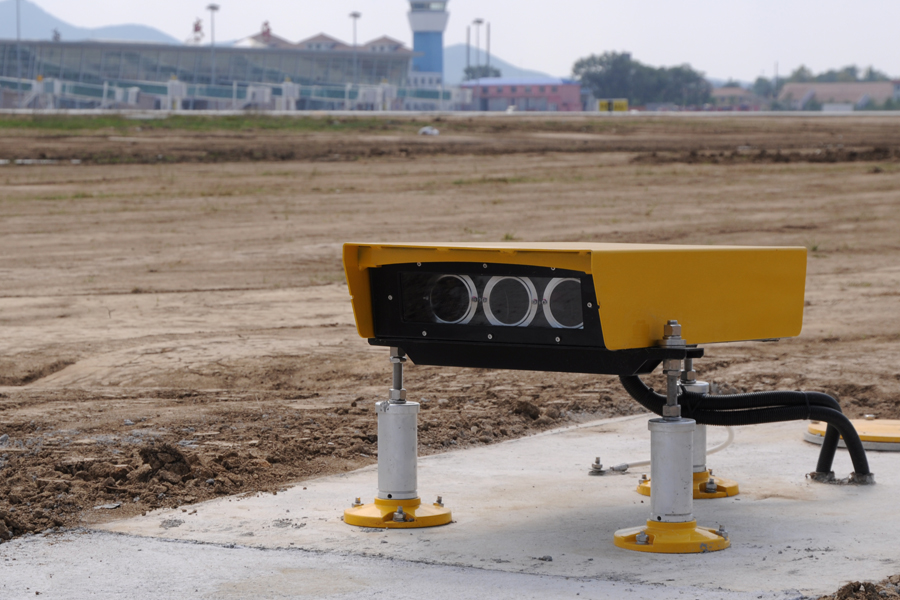
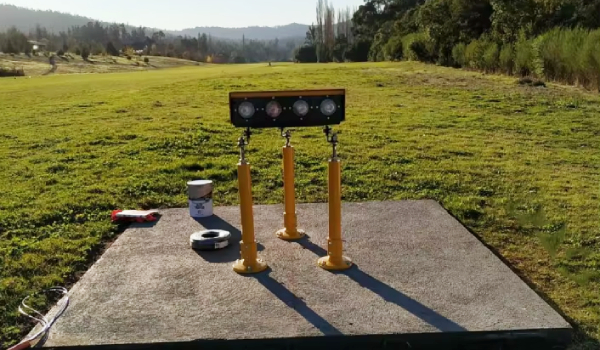
A PAPI (Precision Approach Path Indicator) is one of the simplest yet most critical visual aids in aviation. You’ll see it on the left side of many runways: a row of four lights showing white and red combinations to guide pilots during approach and landing.
1. Ensures Correct Glide Path
PAPI gives pilots instant visual confirmation of whether they are too high, too low, or perfectly aligned with the runway.
- Too high → more white lights
- Too low → more red lights
- Correct path → two white + two red
This helps pilots maintain the ideal approach angle, reducing the risk of undershooting, overshooting, or landing short of the runway.
2. Enhances Safety in Poor Visibility
Even when weather conditions worsen—haze, rain, or low light—PAPI provides a bright, reliable reference. It acts as a safety net when the visual horizon is unclear.
3. Supports Both Day and Night Operations
- PAPI works 24/7.
- Daytime: Helps pilots stabilize approach visually before reaching minimums.
- Nighttime: Offers a clearly visible slope reference when depth perception is reduced.
4. Reduces Pilot Workload
Pilots don’t need to rely solely on cockpit instruments or guesswork. A quick glance at the light pattern tells them all they need to know—a major benefit during high-workload phases of flight.
5. Prevents Terrain and Obstacle Risks
By guiding aircraft on the correct approach angle, PAPI helps aircraft maintain safe clearance over terrain, buildings, and obstacles near the runway.
6. Improves Consistency of Landings
Airlines and aviation authorities value PAPI because it supports:
- More stable approaches
- More predictable touchdown points
- Reduced stress on aircraft landing gear and braking systems
This contributes to both safety and operational efficiency.
7. Essential for Airports Without ILS
At airports without Instrument Landing Systems—or where ILS is unavailable due to maintenance—PAPI becomes even more important. It offers reliable visual guidance that aligns with the same glide slope used by instrument approaches.
How to Choose ICAO-Compliant PAPI Lights for Airports?
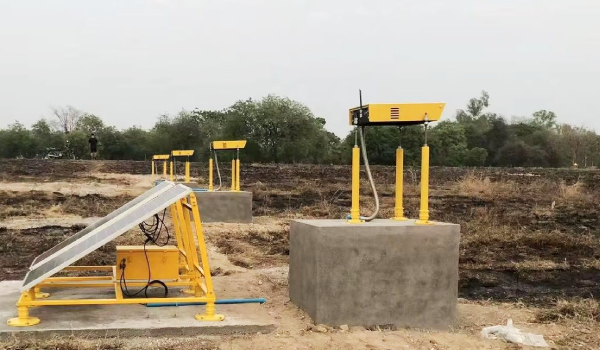
Selecting the right Precision Approach Path Indicator (PAPI) lights is a critical decision for airport safety. A substandard unit can compromise glide path accuracy, fail in harsh weather, or require costly frequent replacements. When evaluating PAPI lights for procurement, airport engineers and procurement managers should assess five core criteria: regulatory compliance, power input compatibility, LED lifespan, ingress protection rating, and structural durability.
1. ICAO Compliance Is Non-Negotiable
The first filter for any PAPI light purchase is verified compliance with ICAO Annex 14 standards. ICAO mandates precise photometric requirements — the light must project a well-defined red/white transition zone that allows pilots to correctly interpret glide slope deviations during final approach. A standard 4-unit PAPI system must be calibrated to beam angles of 3°30′, 3°10′, 2°50′, and 2°30′ for a typical 3-degree approach slope. Non-compliant optics that blur the red/white boundary are a direct flight safety risk.
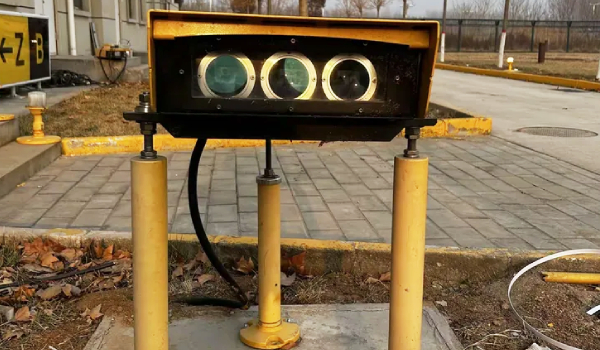
The YFFY-PAPI-300 from YFFY Lights is fully certified to ICAO standards and designed to deliver a precise 8° azimuth range, ensuring clear, reliable glide path signals for approaching aircraft.
2. Input Voltage: Match Your Airport’s Power Infrastructure
Airport airfield lighting circuits vary by region and installation design. A PAPI unit that supports only a single voltage standard creates integration headaches and added conversion costs. Look for units offering dual voltage support — ideally both AC220V and DC24V — to ensure compatibility across different power supply configurations, including both mains-powered and solar-hybrid installations.
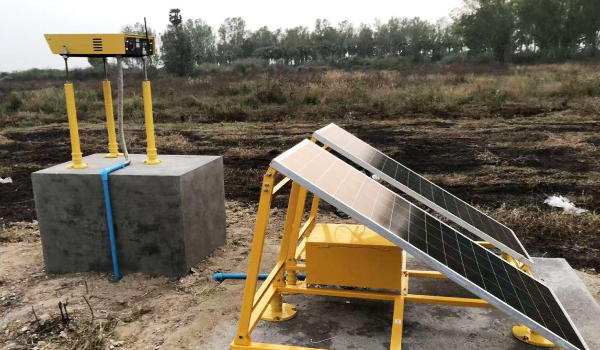
The YFFY-PAPI-300 supports AC220V and DC24V input, giving project engineers the flexibility to integrate it into existing airfield power circuits or pair it with an optional solar power system — a significant advantage for remote or off-grid airstrips.
3. LED Lifespan: The True Cost of Ownership
Traditional halogen PAPI lamps typically last around 1,200–2,000 hours, requiring frequent replacement and driving up long-term maintenance costs. Modern LED-based PAPI systems dramatically reduce this burden.
When comparing products, look for an LED lifespan of at least 50,000 hours — though premium units now offer significantly more. The YFFY-PAPI-300 is rated at 100,000 hours, which at 24-hour continuous operation translates to over 11 years of lamp life without replacement. This dramatically reduces airfield maintenance interventions, lowers lifecycle costs, and minimizes runway downtime for lamp servicing. Pair this with a luminous efficiency of 100 lm/W and a Color Rendering Index (Ra) of 80, and the optical performance remains consistent throughout the product’s service life.
4. Ingress Protection (IP Rating): Built for the Airfield Environment
PAPI lights operate in some of the most demanding outdoor environments imaginable — exposed to jet blast, rain, snow, dust, and extreme temperature swings. An insufficient IP rating leads to moisture ingress, corrosion, and premature failure.
ICAO-compliant PAPI units should carry a minimum IP65 rating, but the best-in-class standard is IP67 — meaning the unit is fully dust-tight and can withstand temporary immersion in water up to 1 meter. The YFFY-PAPI-300 is rated IP67, protecting all internal electronics and LED components from the harsh conditions typical of runway-side installations.
5. Structural Durability: Aluminum Alloy Housing and Wind Resistance
The physical housing of a PAPI unit must withstand constant jet blast, bird strikes, and extreme weather without compromising calibration. ICAO standards note that units should be frangible (not susceptible to jet impact damage that could pose a hazard to aircraft), yet structurally robust under normal operational stresses.
The YFFY-PAPI-300 housing is manufactured from aluminum alloy, offering an excellent strength-to-weight ratio and superior corrosion resistance compared to steel alternatives. It is rated for wind speeds up to 80 m/s — well above the threshold of Category 5 hurricane-force winds — and operates across a wide ambient temperature range of -35°C to +80°C, making it suitable for deployments from arctic airfields to desert environments.
6. Installation Compliance: Positioning and Configuration
Beyond the unit hardware itself, compliant installation is equally important. Per ICAO Annex 14 requirements:
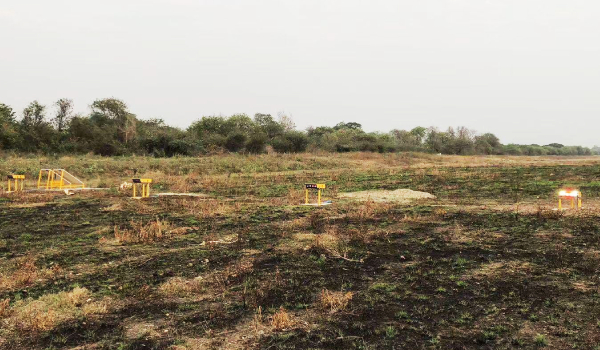
- The inner edge of the PAPI array must be located at least 15 m (49 ft) from the runway edge and no less than 14 m (46 ft) from any runway or taxiway.
- The spacing between each of the four units must be 9 m (30 ft).
- The system is standard on the left side of the runway, perpendicular to the centerline, with the red beam always positioned closest to the runway.
- For airports requiring a simplified system, the A-PAPI (2-unit configuration) is permissible, with the inner unit positioned 10 m (33 ft) from the runway edge.
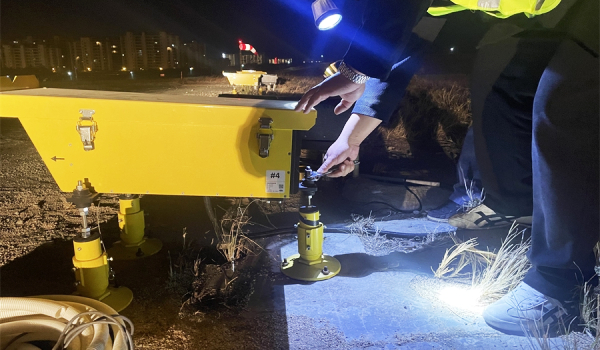
Choosing a supplier that provides full technical installation documentation and lighting design support — as YFFY Lights does — ensures the complete system meets ICAO installation geometry requirements, not just the unit hardware specifications.
7. Supplier Credentials and After-Sales Support
Finally, consider the manufacturer’s certifications and support capabilities. Look for ISO 9001 quality management certification, ICAO and FAA compliance documentation, and a credible warranty. The YFFY-PAPI-300 comes with a 2-year warranty, and YFFY Lights — operated by Shaanxi Yuefeng Feiyao Technology Co., Ltd. — offers factory-direct pricing, compliance documentation packages, and technical support with a response commitment of under 12 hours.
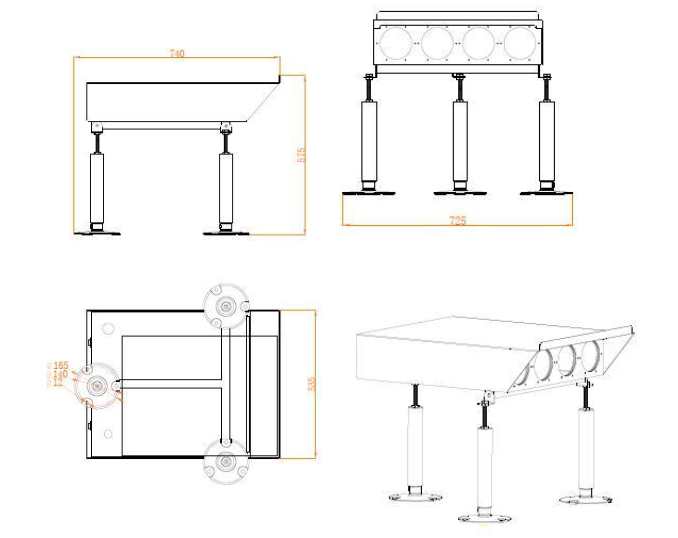
Summary Specification Checklist for PAPI Light Procurement:
| Criteria | Recommended Minimum | YFFY-PAPI-300 |
|---|---|---|
| Compliance | ICAO Annex 14 | ✅ ICAO Certified |
| Input Voltage | AC220V or DC24V | ✅ AC220V / DC24V |
| LED Lifespan | ≥ 50,000 hours | ✅ 100,000 hours |
| IP Rating | IP65 minimum | ✅ IP67 |
| Housing Material | Corrosion-resistant alloy | ✅ Aluminum Alloy |
| Wind Resistance | ≥ 60 m/s | ✅ 80 m/s |
| Operating Temperature | -35°C to +55°C | ✅ -35°C to +80°C |
| Warranty | ≥ 1 year | ✅ 2 Years |
Video Of PAPI Lights
Frequently Asked Questions (FAQ) About ICAO-Compliant PAPI Lights
Q1: What does ICAO compliance mean for PAPI lights, and why does it matter?
ICAO (International Civil Aviation Organization) compliance means the PAPI light meets the photometric, installation, and operational standards defined in ICAO Annex 14. This includes precise beam angle calibration, correct red/white light transition zones, and frangible mounting design. For airport operators, procuring non-compliant PAPI lights risks failing airfield safety audits, invalidating insurance coverage, and — most critically — providing inaccurate glide slope guidance to pilots. Always request compliance documentation before purchase.
Q2: What is the difference between a PAPI system and an A-PAPI system?
A standard PAPI system uses four light units and provides pilots with five distinct glide path indications (4 white = too high; 3 white/1 red = slightly high; 2 white/2 red = on slope; 1 white/3 red = slightly low; 4 red = too low), making it the preferred choice for commercial and jet-traffic runways. An A-PAPI (Abbreviated PAPI) uses only two units and is permitted under ICAO Annex 14 for certain categories of aircraft operations, general aviation airfields, and secondary runways. The YFFY-PAPI-300 supports both configurations, with the inner unit of an A-PAPI installation positioned 10 m from the runway edge.
Q3: How long do LED PAPI lights last compared to traditional halogen units?
Traditional halogen PAPI lamps typically last around 1,200 to 2,000 hours before requiring replacement — meaning frequent runway closures for maintenance. Modern LED PAPI lights offer dramatically longer service life. The YFFY-PAPI-300, for example, is rated at 100,000 hours, which at 24/7 continuous operation equates to over 11 years of lamp life. This reduction in maintenance intervention is one of the most significant total cost-of-ownership advantages of switching to LED technology.
Q4: What IP rating should I require for PAPI lights used in outdoor airfield environments?
For permanent airfield installations, a minimum of IP65 is generally considered acceptable, but IP67 is the recommended standard for PAPI lights. IP67-rated units are fully dust-tight and can withstand temporary water immersion up to 1 meter — protecting internal LED drivers and optics from rain, condensation, runway flooding, and high-pressure cleaning. The YFFY-PAPI-300 carries an IP67 rating, making it suitable for deployments in tropical, coastal, and high-rainfall environments.
Q5: Can PAPI lights be solar-powered for remote or off-grid airports?
Yes. Modern LED PAPI systems have low enough power consumption to be effectively paired with solar panels and battery storage for 24-hour autonomous operation. The YFFY-PAPI-300 supports an optional solar power configuration, making it a cost-effective solution for remote airstrips, military forward operating bases, and temporary runway installations where grid power infrastructure is unavailable or expensive to deploy.
Q6: What voltage do PAPI lights typically operate on, and does it matter for procurement?
Yes, voltage compatibility is a critical procurement consideration. Airfield power circuits vary internationally — many systems operate on 240V AC series circuits, while others use 120V AC or low-voltage DC systems. Specifying a PAPI light that only supports one voltage standard can result in costly transformer installations or incompatibility with existing airfield lighting control systems. The YFFY-PAPI-300 supports both AC220V and DC24V input, providing broad compatibility across global airfield infrastructure standards.
Q7: What wind speed rating should PAPI lights meet for airfield safety?
PAPI lights are positioned in the direct path of jet blast and are exposed to severe weather events. A minimum wind resistance rating of 60 m/s is generally recommended for permanent installations, with higher ratings desirable for airports in typhoon, cyclone, or severe storm corridors. The YFFY-PAPI-300 is rated for wind speeds up to 80 m/s — equivalent to the force of a Category 5 storm — ensuring structural integrity and continued optical alignment even in extreme conditions.
Q8: What is the correct installation position for PAPI lights according to ICAO standards?
Per ICAO Annex 14, a standard 4-unit PAPI system must be installed on the left side of the runway, perpendicular to the runway centerline, approximately 300 meters beyond the landing threshold. The inner edge of the array must be at least 15 m (49 ft) from the runway edge and no less than 14 m (46 ft) from any runway or taxiway. The spacing between each unit must be 9 m (30 ft). The red beam element of each unit must always face the runway side. Non-standard right-side installation is permitted when operationally required, but the red/white orientation rules still apply.
Q9: What is the typical glide slope angle for PAPI lights, and can it be adjusted?
The standard glide slope for most commercial runways is 3 degrees. For a 3-degree approach, the four PAPI units are calibrated to beam angles of 3°30′, 3°10′, 2°50′, and 2°30′. However, the angle can be set higher — for example 3.5° or 4° — at locations where terrain, obstacles, or noise abatement procedures require a steeper approach path. The YFFY-PAPI-300 supports adjustable beam angle calibration, allowing site engineers to configure the system to match the specific approach angle requirements of any runway.
Q10: What certifications and documentation should I request when purchasing PAPI lights for an international airport project?
For any international airport tender or airfield upgrade project, request the following from your supplier before purchase: ICAO Annex 14 compliance certificate, photometric test reports (confirming beam angle accuracy and light intensity values), IP rating test certification (IEC 60529), material test reports for the housing (confirming aluminum alloy grade and wind load resistance), ISO 9001 quality management certificate, and product warranty terms in writing. YFFY Lights provides full compliance documentation packages — including FAA/ICAO certificates and product data sheets — with every order, with technical support response times under 12 hours. Contact the team at inquiry@yffylights.com or visit the PAPI Light product page to request a factory-direct quote.