A Comprehensive Analysis of the Core Installation Specifications for Runway End Lights and Edge Lights.
Airport runway lighting systems are essential for pilots during nighttime and low-visibility conditions. Runway end lights and edge lights play a vital role in defining the runway’s boundaries and providing key visual cues for distance and termination points. These lights guide pilots, ensuring safe takeoffs and landings.
This article explores the functional characteristics and installation requirements of runway edge and terminal lights, based on the technical standards from the International Civil Aviation Organization (ICAO) and the Civil Aviation Administration of China (CAAC). It also highlights the latest advancements in LED and solar energy technologies for navigational lighting.
I. Airport Runway Edge Lights
Function & Color Layout
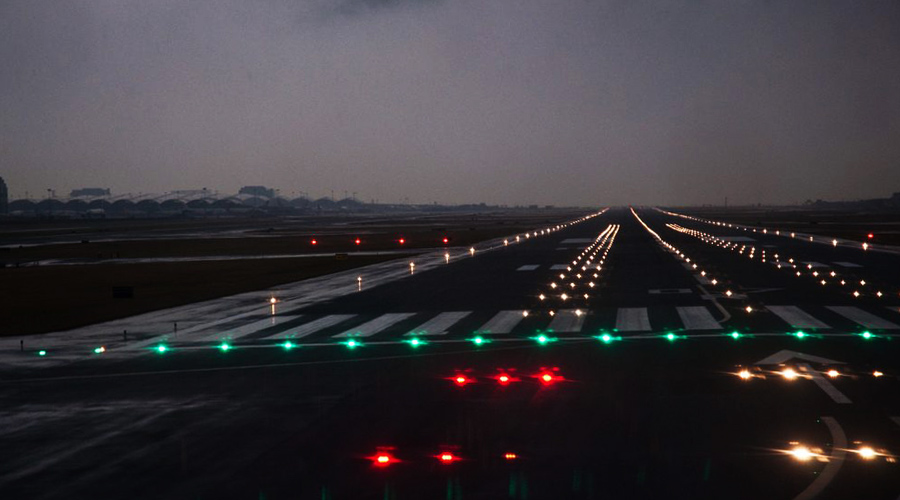
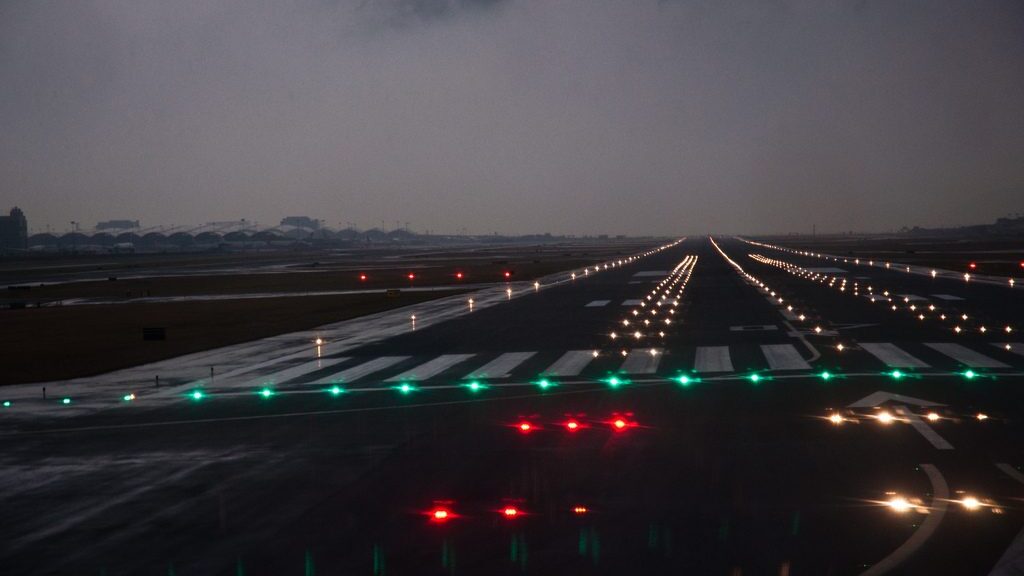
Runway edge lights are crucial for defining the safety boundaries of the runway. These white lights run along the entire length of the runway and help pilots identify the runway’s perimeter, especially during critical phases of flight.
According to ICAO Annex 14, the color of edge light changes from white to yellow within the last 600 meters (or one-third of the runway length) to signal to pilots the remaining available runway. This color transition is essential during takeoff and landing, providing a crucial visual warning of the runway’s end.
Installation Spacing & Location Requirements
- Symmetrical Layout: The edge light must be installed equidistantly along both sides of the runway, typically positioned no more than 3 meters beyond the runway edge.
- Standard Spacing: The standard distance between edge lights is generally 60 meters. However, in curved sections or areas requiring high visibility, such as precision approach runways, the spacing may be reduced to 30 meters.
- Beam Visibility: The beam must be visible from above the horizontal to an elevation angle of 15°. For a 60m wide runway, the beam should remain visible to the pilot’s line-of-sight (approx. 3.6m) within an elevation angle range of 2.1° to 12°.
II. Airport Runway End Lights
Definition and Intensity Requirements
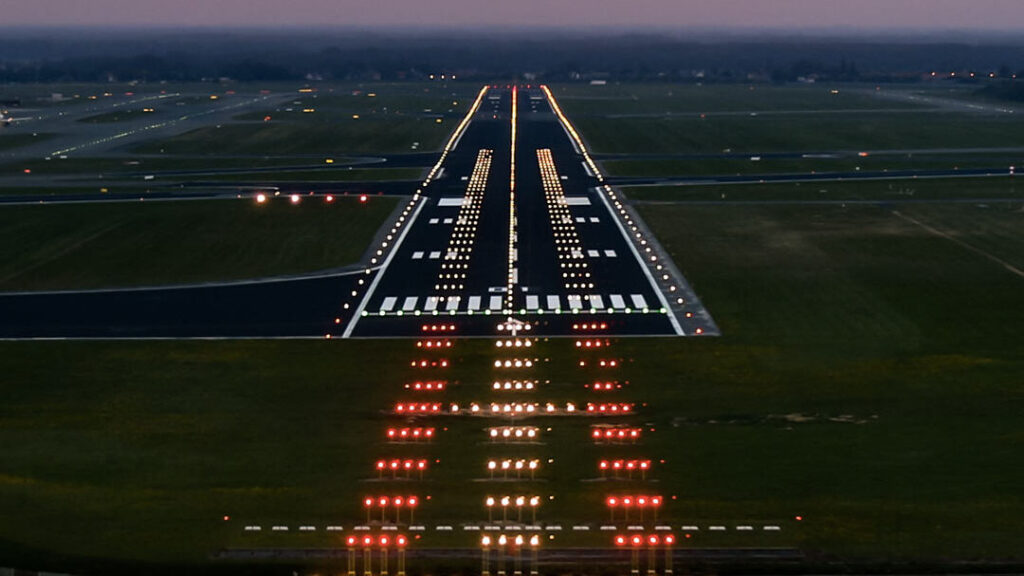
Runway end light is red, unidirectional, constant-emission light installed at the runway ends. These lights clearly mark the end of the runway and are critical for pilots to understand where the runway physically terminates.
- Precision Approach Runways: The average intensity of the main beam must be at least 2500 candela (cd) within a horizontal range of ±0.5° and a vertical angle of 2°-10°.
- Non-Instrument Runways: The minimum intensity within a horizontal range of ±10° and vertical angle of 2°-10° should be no less than 10 cd.
Installation and Layout Specifications
- Location: End lights must be installed on a straight line, perpendicular to the runway centerline, no more than 3 meters from the runway end.
- Quantity and Distribution: At least 6 end lights are required. These can be distributed symmetrically along the runway or placed between the two rows of edge lights. The gap between two groups should not exceed half the distance between the rows of edge light.
- Power Supply Circuit: Ideally, end lights should be connected to the edge light circuit, ensuring the lighting system remains functional even if one circuit fails.
III. LED Technology and Solar Energy Applications in Airport Lighting
As airports continue to focus on energy efficiency and sustainability, LED lights and solar-powered systems are becoming increasingly common in runway lighting installations.
Benefits of LED Technology:
- Energy Savings: LED lights consume 50%-70% less energy than traditional lighting options.
- Longer Lifespan: LED lights can last over 50,000 hours, significantly reducing maintenance costs.
- Intelligent Dimming: LED systems for precision approach runways often feature automatic dimming based on visibility conditions, especially important for end-point lights under adverse weather conditions.
Solar Energy Applications:
Solar-powered LED lights offer a flexible, cost-effective solution, especially for general aviation airports or temporary runways. They eliminate the need for expensive cabling and provide self-sufficient lighting systems.
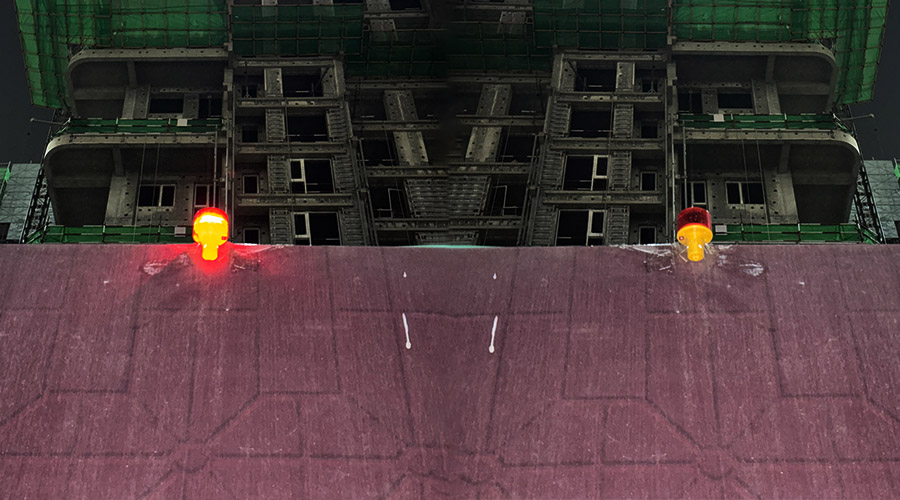
For example, the [ YFFY LIGHTS ] dual-color LED solar airport runway end lights meet the required intensity specifications for red end-point lights, while their solar-powered design enables quick installation and reliable performance. These lights are particularly beneficial for non-precision approach runways and contribute to safety redundancy.
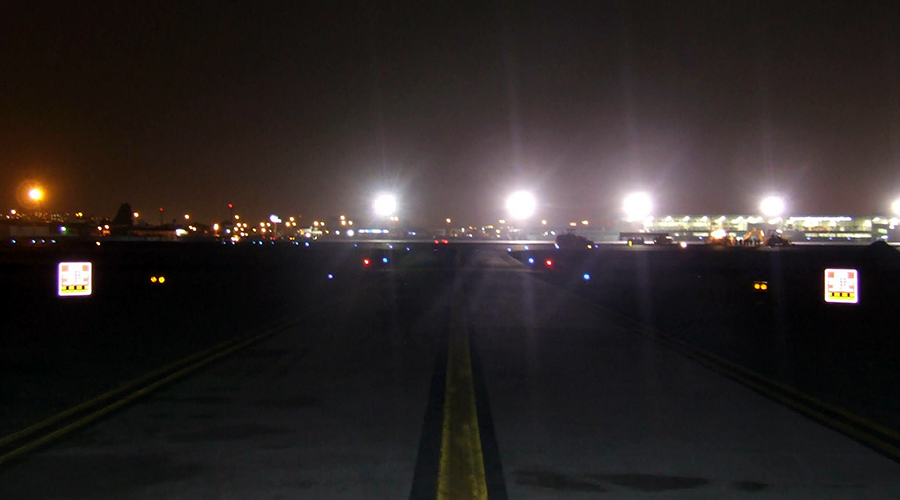
Adhering to the standards for runway lighting—specifically the installation location, light intensity, and circuit design—is crucial to ensuring flight safety. With the integration of LED and solar technologies, airports can build more energy-efficient, reliable lighting systems that enhance the safety of every takeoff and landing.
As technology advances, the opportunity to construct “lights of life” with lower energy consumption and higher reliability is now within reach, ensuring safer skies for all.