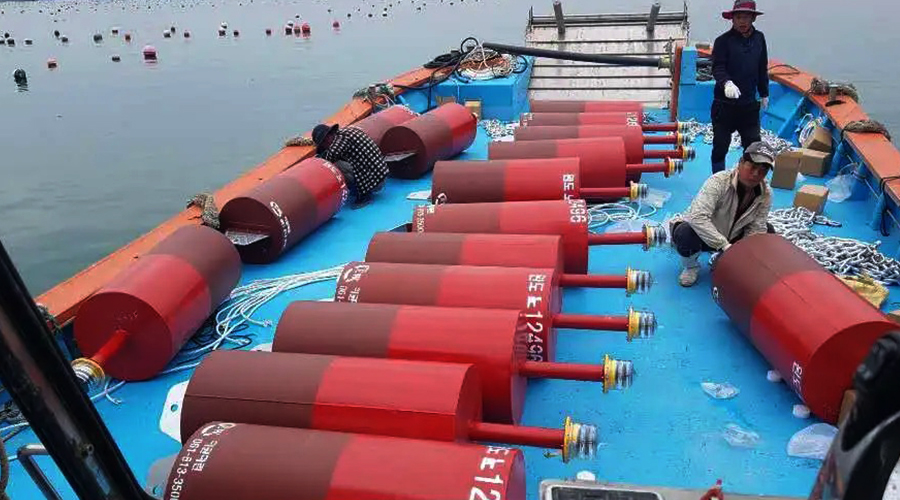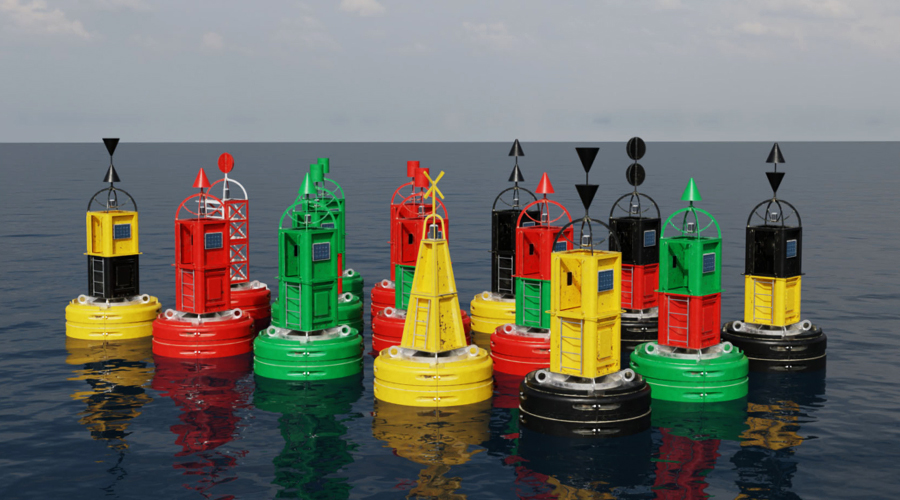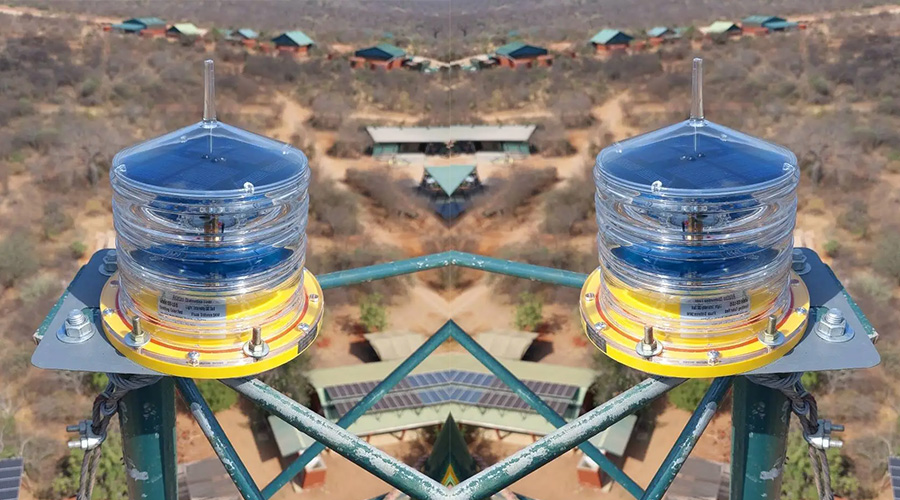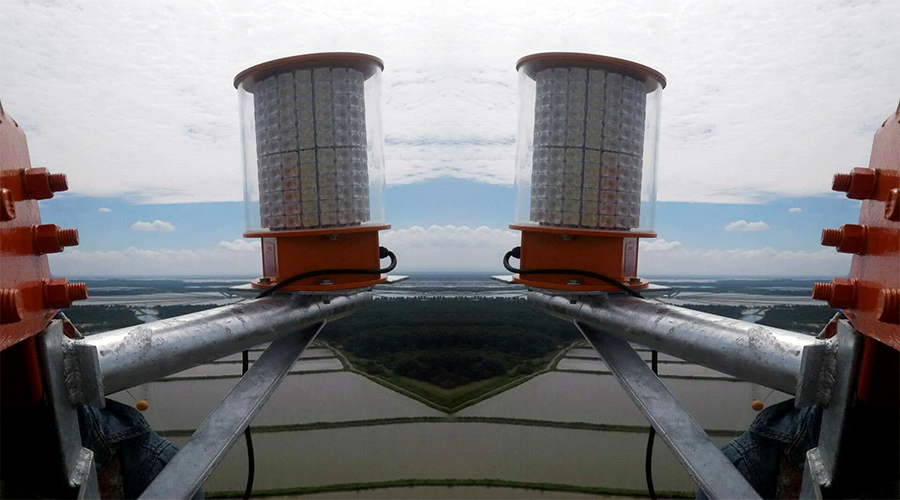
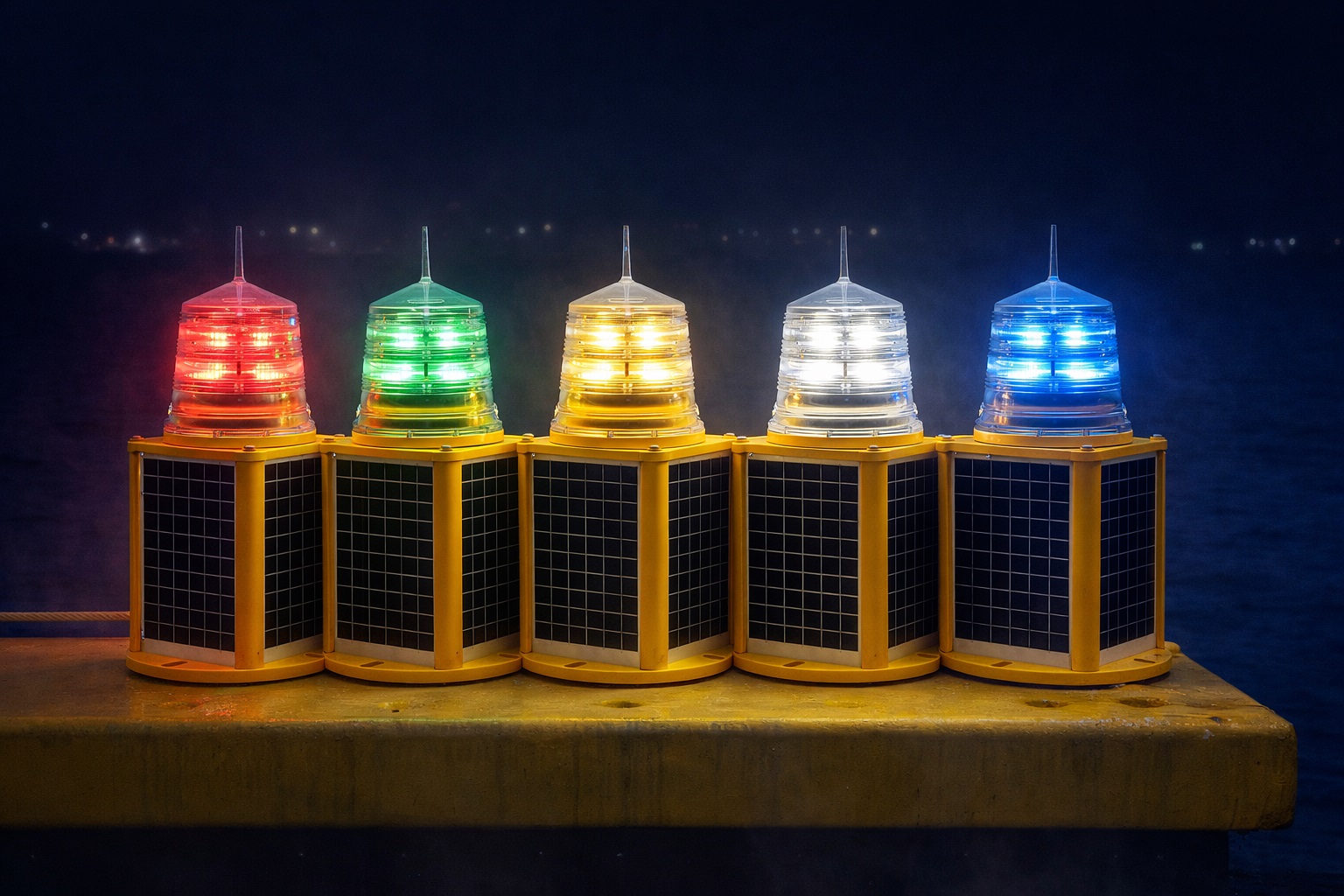

Marine Navigation Lights Country Approval Guides refer to the specific regulations and approval processes that each country or maritime authority follows for the design, installation, and use of marine navigation lights. These lights, which include buoys, beacons, lighthouses, and other navigational aids, must meet international standards, but each country may have additional requirements or testing procedures for local approval.
Here’s an overview of the approval process and key considerations for marine navigation lights, focusing on country-specific guidelines and approvals:
1. International Standards vs. National Regulations
While many countries follow international guidelines set by organizations such as IALA (International Association of Marine Aids to Navigation and Lighthouse Authorities), local maritime authorities often implement these standards through their own regulations, testing procedures, and certifications. Some countries may also have additional requirements for environmental standards, safety, and technology.
2. Key International Standards (IALA)
- IALA A-126: “Standards for Maritime Aids to Navigation”
- IALA O-139: “Recommendation on Lights and Lighting Systems”
- IALA O-143: “Recommendation on Buoys and Beacon Marking”
- IALA O-150: “Recommendation on the Implementation of Marine Aids to Navigation Systems”
- These documents provide the foundational technical requirements for color coding, flashing patterns, visibility range, intensity, and power sources of navigation lights.
- Compliance with IALA standards is typically required for international operation, but countries may have their own specific regulations for testing, certification, and installation.
3. Country-Specific Guidelines for Marine Navigation Lights Approval
a) United States (U.S.)
- Regulatory Body: The U.S. Coast Guard (USCG) oversees maritime navigation aids in the U.S., including approval and certification of navigation lights.
- Approval Process: For a light to be approved, it must meet USCG requirements related to visual range, color, flashing patterns, and intensity. The approval process includes performance testing, durability checks, and operational evaluations in accordance with the Marine Safety Manual.
- Type Approvals: Lights used in U.S. waters must also meet the Type Approval process set by the USCG. This ensures the lights are tested to perform effectively in the specific environmental conditions they will face.
- Environmental Standards: The USCG also requires that the lights be corrosion-resistant and weatherproof for deployment in marine environments, which often involves using marine-grade materials and IP-rated waterproofing.
b) European Union (EU)
- Regulatory Body: The European Maritime Safety Agency (EMSA) and national maritime authorities in individual EU member states are responsible for approving marine navigation aids.
- Approval Process: In the EU, navigation lights are subject to CE marking, which indicates compliance with European Union regulations. Lights must comply with the Marine Equipment Directive (MED), which stipulates that equipment must meet EU safety, environmental, and quality standards.
- Testing and Certification: Navigation lights are often tested by Notified Bodies authorized by the EU to conduct conformity assessments. This includes tests for energy efficiency, visibility range, and impact resistance.
- Country-Specific Approvals: Individual countries in the EU, such as the UK, Germany, or France, may have additional regulations for marine navigation equipment. For example, the UK Maritime and Coastguard Agency (MCA) has specific approval processes for lights used in British waters.
c) Australia
- Regulatory Body: The Australian Maritime Safety Authority (AMSA) governs the approval of navigation lights in Australian waters.
- Approval Process: Navigation lights must meet AMSA’s standards, which are based on IALA recommendations. Additionally, they must comply with Australian Standards (AS), including those for electrical safety and performance.
- Environmental Testing: Given Australia’s coastal and offshore environments, the corrosion resistance and waterproofing of lights are critically evaluated. Salt fog tests are common to ensure long-term durability in salty, humid conditions.
- Approval Documentation: AMSA requires performance testing reports, installation guidelines, and maintenance recommendations as part of the approval process.
d) Canada
- Regulatory Body: The Canadian Coast Guard (CCG) is responsible for the approval and maintenance of marine navigation aids in Canadian waters.
- Approval Process: Lights must comply with the Canada Shipping Act and Canadian Navigation Safety Regulations, which align closely with international standards (IALA). Testing includes verifying the color, flashing pattern, and visibility range of navigation lights.
- Certification: Canadian regulations require that products be tested by certified laboratories and provide performance certificates before they can be used in marine applications.
e) Japan
- Regulatory Body: The Japan Coast Guard (JCG) oversees the approval process for navigation aids in Japan’s waters.
- Approval Process: Lights are required to conform to Japan’s maritime safety regulations, which are based on IALA standards. The JCG evaluates the functionality and reliability of lights through rigorous testing in coastal environments.
- Testing Requirements: Environmental resistance, including corrosion testing and operational lifespan, is a key aspect of the approval process.
f) Other Countries
- Most other countries follow IALA guidelines but may also have their own approval processes, particularly in regions with specific environmental or operational requirements.
- For example, China and India have growing maritime industries and are adopting international best practices for AtoN equipment, though each has a specific national approval process.
4. Approval Process Overview
The typical approval process for marine navigation lights across most countries involves the following steps:
- Compliance with International Standards: The light must meet international standards such as those set by IALA, including color coding, flashing patterns, and visibility ranges.
- Environmental Testing: Lights undergo rigorous testing to ensure they perform well in harsh marine environments. This includes corrosion testing (salt fog), impact resistance, waterproofing (IP ratings), and energy efficiency.
- Certification and Documentation: Manufacturers must provide documentation demonstrating that their products comply with safety and environmental standards. This includes performance certificates and test reports.
- Installation and Maintenance Guidelines: Approval often requires the submission of detailed installation instructions and maintenance schedules to ensure long-term reliability.
- Government Approval: After passing the necessary tests and certification processes, the light is submitted to the relevant national maritime authority for final approval, ensuring it is suitable for use in the country’s waters.
5. Conclusion
Navigational lights must meet specific standards and undergo rigorous testing before they are approved for use in any country’s maritime system. While international standards, such as those set by IALA, guide these processes, each country may have unique requirements and approval procedures. Manufacturers and operators need to be aware of both international standards and national regulations when installing or approving marine navigation lights.
Would you like more detailed guidance on a specific country’s approval process or more on the testing procedures for navigation lights? Let me know how I can assist!