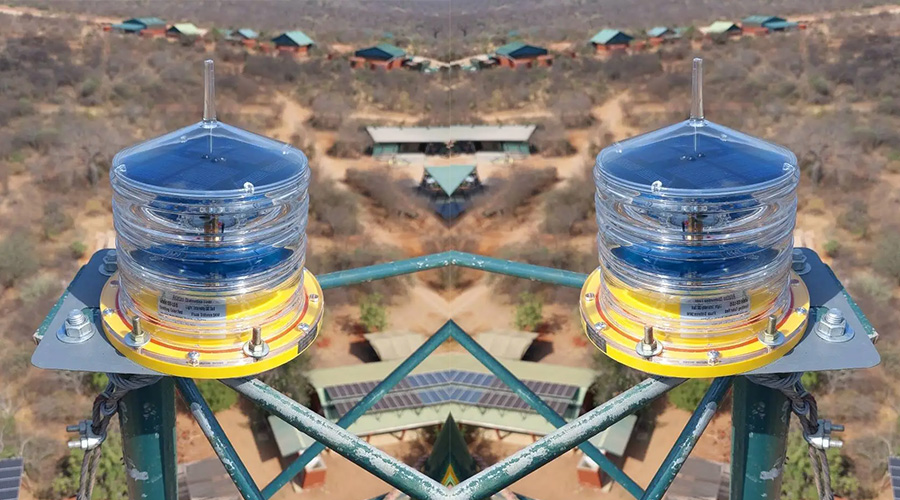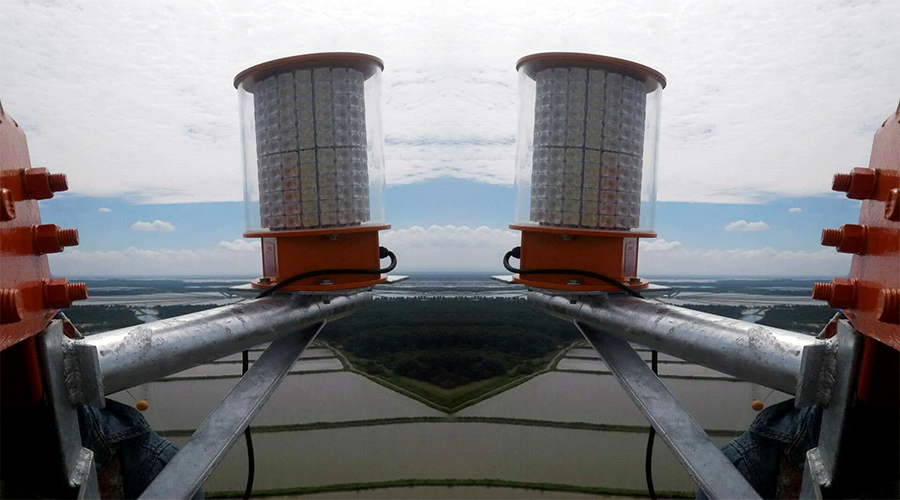
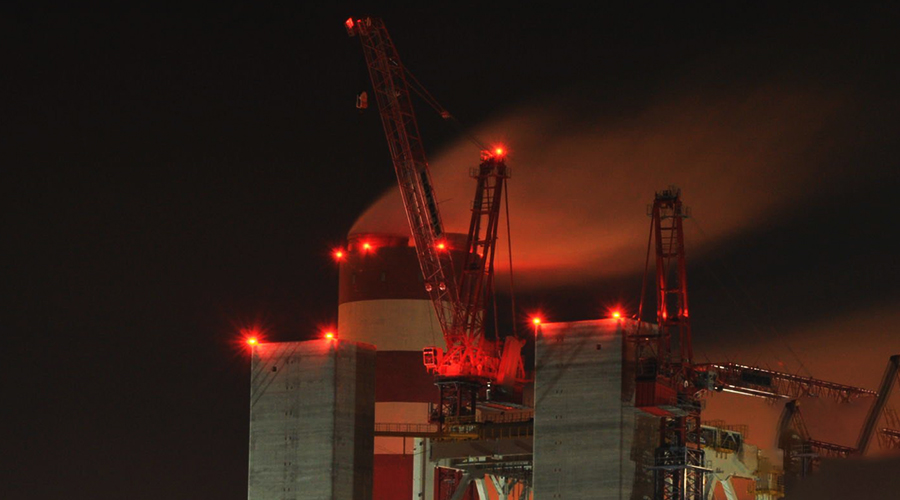

Low-intensity obstruction lights are critical aviation safety equipment for marking obstacles below 150meters. They warn aircraft through a persistent and stable light signal, effectively preventing low-altitude collisions. Utilizing high-efficiency LED light sources and a robust structure, they offer significant advantages such as long lifespan, low energy consumption, and easy maintenance.
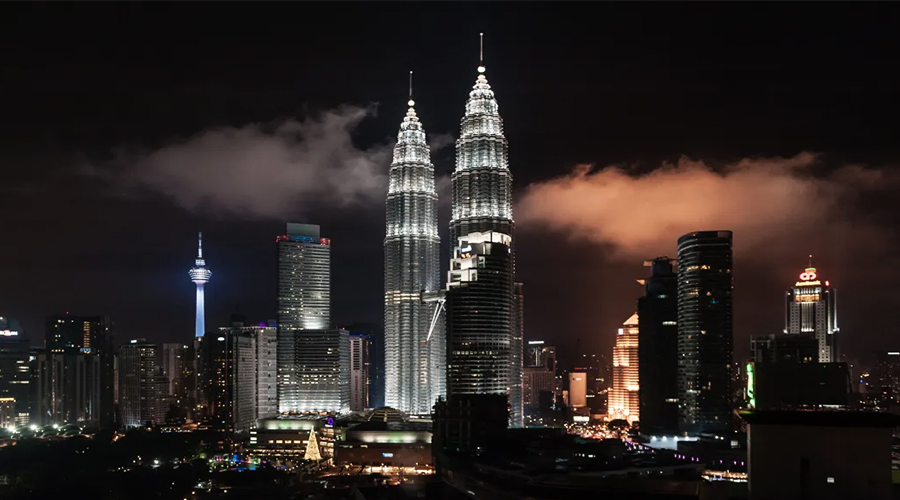
Low-intensity aviation obstruction lights are widely applicable to various low-rise buildings, communication towers, bridges, chimneys, and other scenarios, making them a reliable choice for ensuring aviation and facility safety.
Classification of Low-Intensity Lights
Type A Low-Intensity Obstruction Light:
This obstruction light uses a stable LED light source, balancing high efficiency and long lifespan. It is suitable for marking obstacles such as general buildings and towers, offering economic practicality.
Type B Low-Intensity Obstruction Warning Light:
This aviation light features long-distance synchronized flashing (customizable), complies with relevant aviation standards, and is suitable for bridges, small towers, and building complexes, providing a uniform and reliable warning effect.
Type C Low-Intensity Aviation Obstruction Light:
Equipped with imported high-brightness chips, this aircraft warning lights offers higher intensity and a robust and durable casing. It is suitable for locations with high visibility requirements or harsh environments.
What is the Applicable Altitude For Low-intensity Obstruction Lights?
The applicable altitude range for low-intensity aviation obstruction lights typically depends on the light model, luminous intensity, and applicable aviation regulations. Generally, the following applies:
Common Application Altitudes:
Most low-intensity lights are used to mark obstacles below 150m in altitude. For some small buildings, components, or structures near runways, the applicable altitude is often between 30 and 120 meters.
Approximate Range:
In civil aviation and architectural lighting standards, the goal of low-intensity high-altitude obstruction lights is to ensure sufficient visibility for aircraft at night; therefore, they are most commonly used at altitudes not exceeding approximately 150m.
Factors to Consider
Light Model:
Different models (e.g., Type A, Type B, Type C, etc.) may have different luminous intensity ratings and recommended applicable altitudes.
Distance from Ground & Visual Range:
In addition to the luminous intensity of the aviation obstruction light itself, factors such as the observer’s (pilot’s) visual range, weather conditions, and environmental reflections must be considered.
Standard Requirements
Please refer to applicable local aviation regulations and standards (such as domestic industry standards, Civil Aviation Administration regulations, and the technical parameter sheets of the lighting fixtures) to determine the most compliant altitude range.
Advantages of Low-Intensity Aviation Obstruction Lights
- The aviation warning lights use high-quality LEDs, with low power consumption and ultra-long lifespan, significantly reducing maintenance costs.
- High-level housing protection, UV resistant, corrosion resistant, and adaptable to various harsh environments.
- The LED lights have a lightweight structure, compatible with multiple installation methods, and adaptable to different structural requirements.
- Complies with the International Civil Aviation Organization (ICAO) and national aviation lighting standards.
- The solar aviation obstacle lights series supports light control (automatic charging and operation) and remote synchronized flashing, improving warning effects and system coordination.
Whether it’s AC series aviation obstruction warning lights, solar-powered obstruction warning lights, medium-intensity obstruction lights, high-intensity obstruction warning lights, or other aviation, high-altitude, and safety lighting warning products, any questions or needs are welcome to be answered and serviced by YFFY Lights.