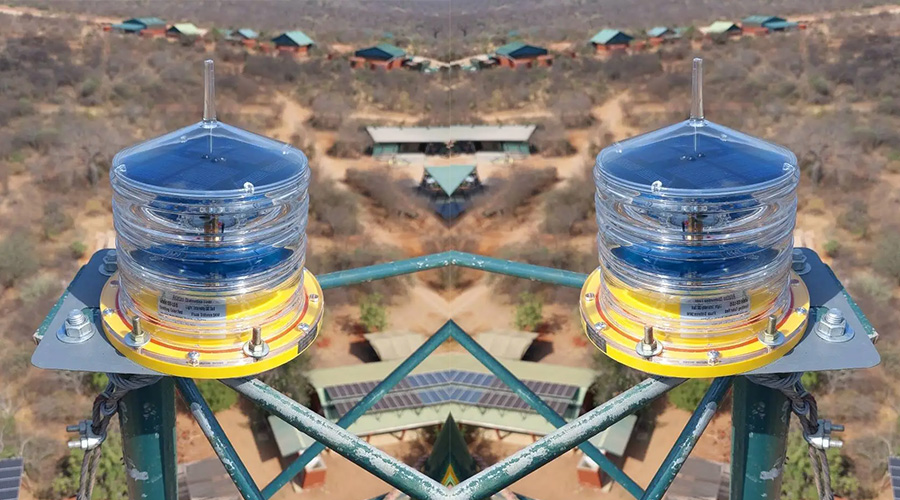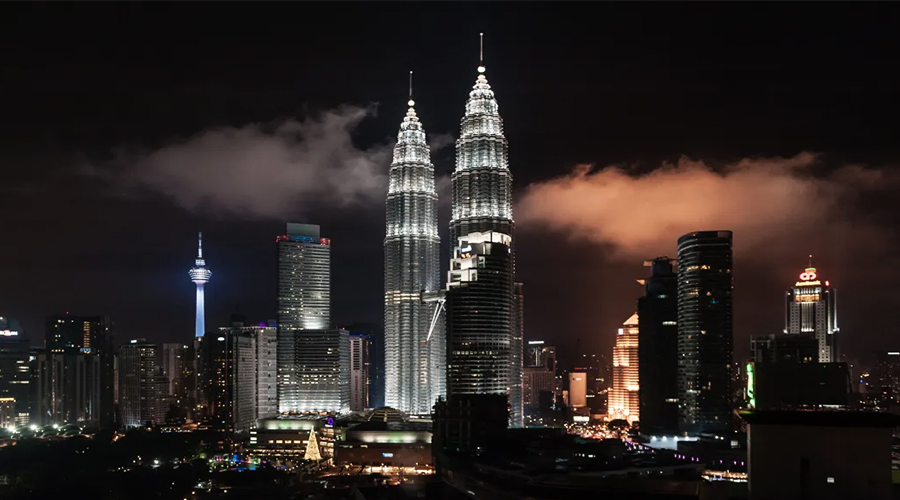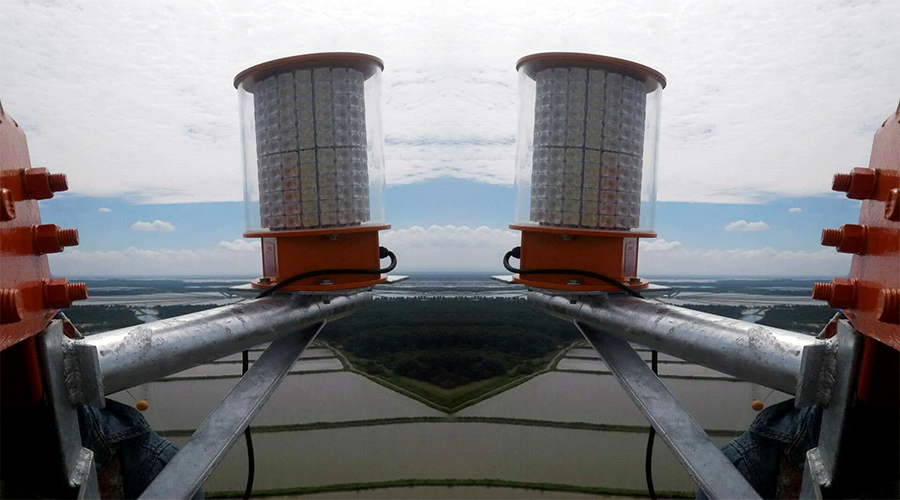
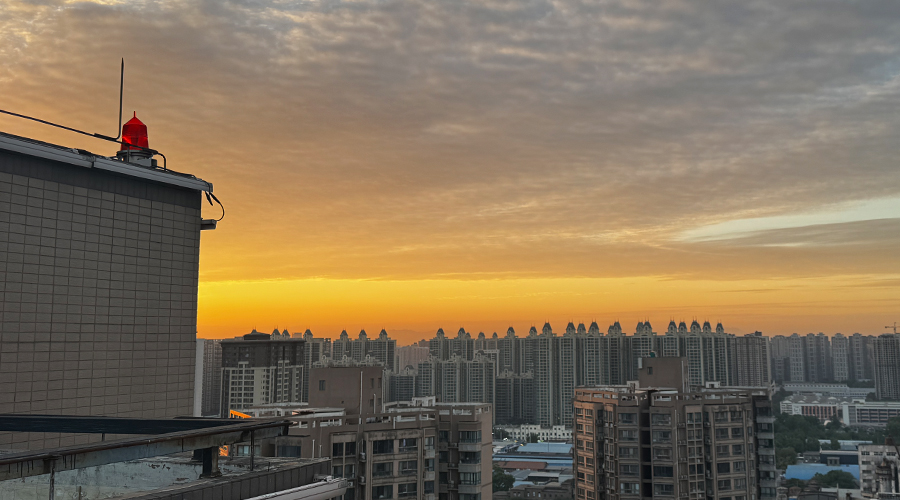

High-intensity obstacle lights are a type of aviation obstruction light, primarily used to mark high-altitude obstacles over 150 meters tall, such as power towers, chimneys, and high-rise buildings, to ensure aviation safety.
This type of high-altitude obstruction light typically features a high-strength aircraft-grade aluminum housing, a built-in high-brightness LED, and a double-layered reflective optical structure to ensure a visible white flash in all environmental conditions, including coastal areas.
Functions & Features of High-Intensity Obstacle Lights:
The obstruction light features a high-precision optical design that effectively controls the beam within the required range.
The imported xenon light source boasts a lifespan of up to 108 cycles. The control circuit is highly impact-resistant and includes a surge protector, making it suitable for harsh operating environments. The lampshade is made of high-borosilicate tempered glass, which is corrosion-resistant, UV-resistant, and impact-resistant.
For example, most YFFY Lights high-intensity obstruction lights feature housings made of SUS304 stainless steel, which is lightweight and corrosion-resistant. Sealing material:
- Waterproof seals.
- Automatic switching: The solar warning lights series automatically adjusts its light intensity based on ambient light levels.
- Customizable functions: Fault alarm output / GPS synchronization / Sync cable synchronization / Remote monitoring with a dedicated controller.
- Optional accessories: Mounting bracket / Power lead (customizable length).
Installation & Usage:
- Mount the Aviation Obstruction Warning Light horizontally on a sufficiently strong mounting surface.
- Customized mounting brackets are available based on specific needs.
- During installation, ensure that the photoelectric control sensor head of solar-powered aircraft warning lights is not facing nearby light sources and is not obstructed by nearby objects.
- Before wiring, ensure that the power supply voltage matches the voltage of the obstruction warning light. Connect the power, signal, and ground wires correctly according to the corresponding cable labels.
- After connecting the cables, verify that they are correct before turning on the power supply. Once powered on, the high-intensity obstruction warning light will begin operating normally.
- Test the GPS synchronization function outdoors in an unobstructed environment. Synchronization takes approximately 10 minutes. (Applicable only to models with GPS synchronization.)
More Applications
High-intensity obstacle lights can be used in:
Tower cranes, wind turbines, high-mast lighting, metallurgy, steel towers, high-rise buildings, large bridges, large port machinery, large construction machinery, wind turbines, and other applications where warnings to aircraft are needed.