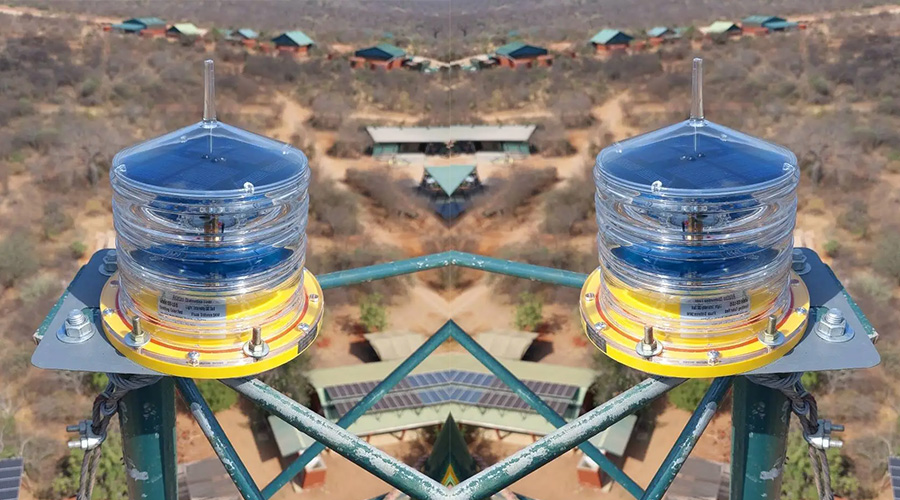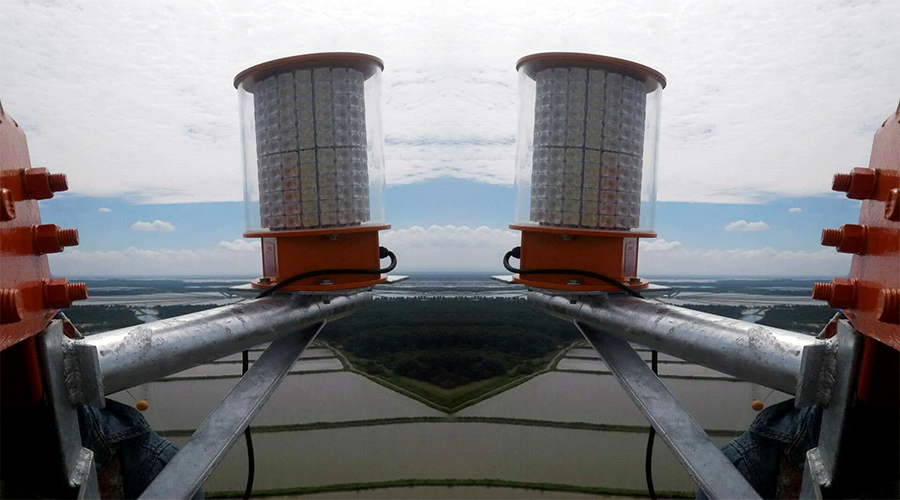
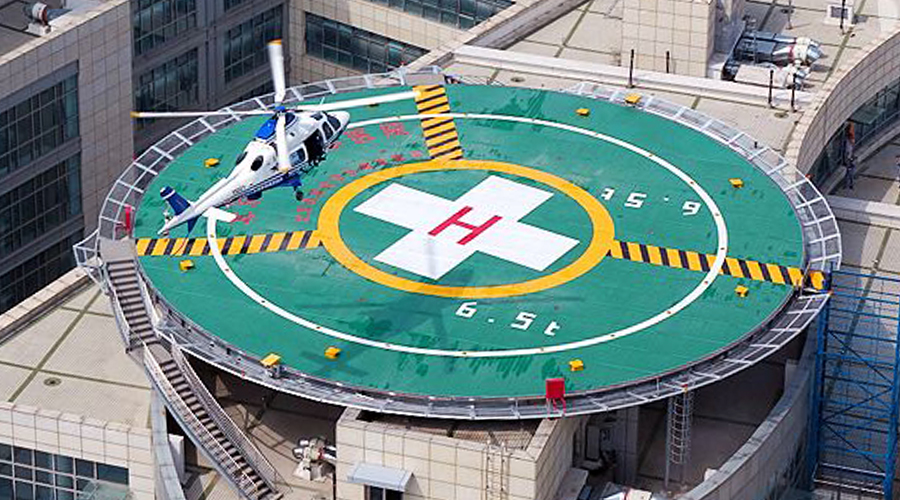

Helipad floodlights are one-way spotlights used at helicopter landing sites that provide floodlighting, facilitate helicopter landing and loading, and are designed not to dazzle pilots.
Such LED lights are usually installed on the surface of the helipad and emit a white constant light. They have a long service life, some of which can even reach 60,000 hours.
The main function of airport floodlights is to provide lighting at night or in low visibility conditions, ensuring that there are no shadows in the landing area and ensuring flight safety.
The Role & Characteristics of Helipad Floodlights
The role of helipad flood lights
Providing lighting:
Airport floodlights provide uniform lighting for the helipad at night or in low visibility conditions, allowing pilots to see the surface of the helipad and the surrounding environment clearly, facilitating takeoff and landing.
Indicating boundaries:
The installation position of the LED floodlight needs to clearly indicate the boundaries of the helipad to help pilots judge the location and size of the helipad.
Avoid glare:
Airport floodlights need to be designed to avoid glare to pilots to avoid affecting flight safety.
Indicating obstacles:
Airport lights can help pilots identify obstacles or uneven areas on the apron.
Features of Airport Floodlights
White constant light:
Most floodlights emit white constant light to simulate natural light, which is convenient for pilots to judge.
Vertical installation:
Vertical installation is usually adopted, and the height is generally not higher than 25 cm to reduce potential damage to the aircraft.
Anti-glare design:
Apron lights usually come with a shading cover to avoid direct light to the pilot’s eyes and reduce the sense of glare.
Waterproof & dustproof:
Floodlight warning lights need to have good waterproof and dustproof properties to adapt to various weather conditions.
Anti-vibration:
In order to adapt to the complex environment of the apron, helicopter apron floodlights usually need to have certain anti-vibration properties.
Easy to install & maintain:
The structural design of the apron lights needs to be easy to install and maintain to reduce maintenance costs.
Comply with standards:
Heliport Flood light need to comply with relevant standards such as ICAO to ensure their performance and safety.