
Obstruction Lights – How to Choose For Different Buildings?
Building obstruction lights, also known as aviation obstruction lights, are warning lights installed on buildings or other obstacles. How to choose?

Building obstruction lights, also known as aviation obstruction lights, are warning lights installed on buildings or other obstacles. How to choose?
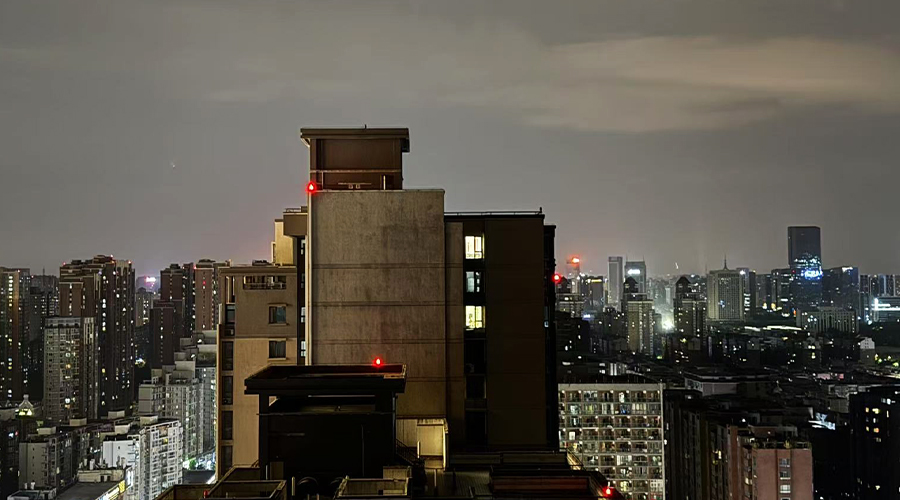
Medium intensity lights – Aviation obstruction lights are primarily used to warn of buildings or large obstacles at heights of 105 to 150m. Safe and durable.
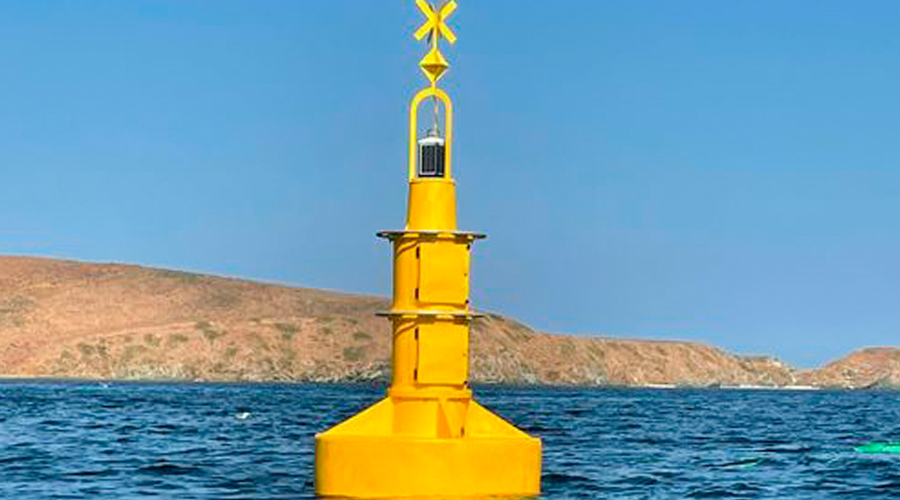
Solar warning lights provide warning signals at sea, helping ships navigate safely. They don‘t require external power, reduce maintenance costs, and are durable
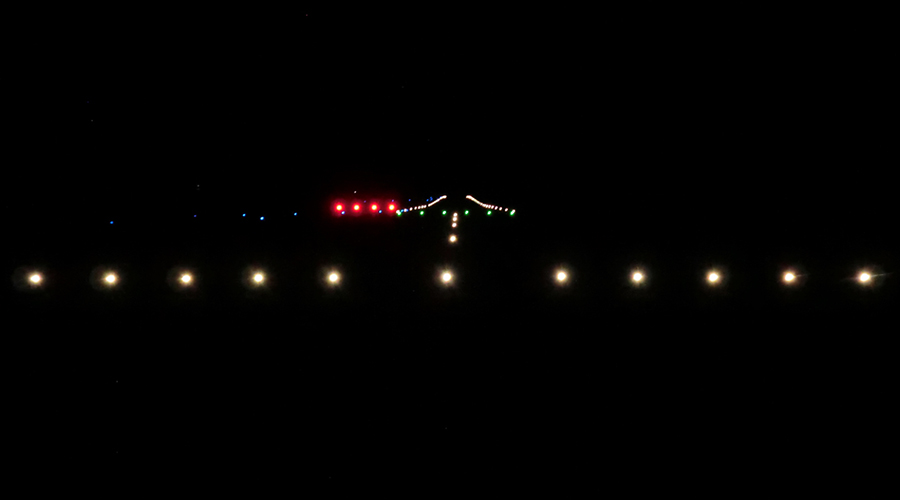
PAPI lights (Precision Approach Path Indicator) are visual aids used to guide pilots on the correct glide path. This article introduces its usage instructions.
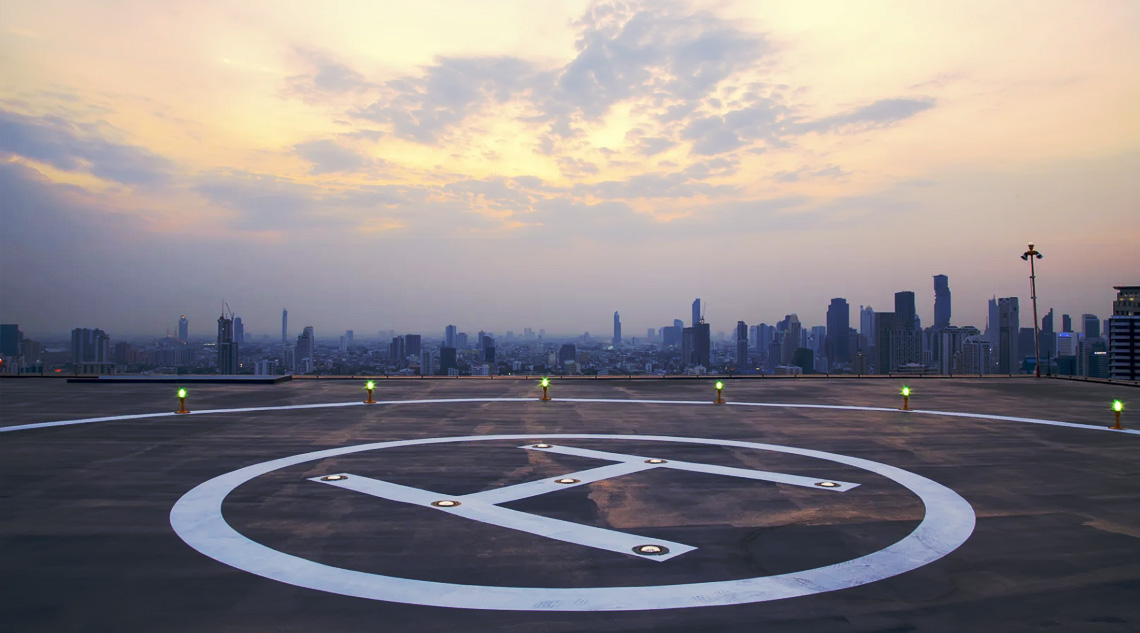
Helipad lighting primarily includes boundary lights to mark the helipad’s outline and approach and takeoff area, floodlights for nighttime illumination and low-visibility conditions, and aviation obstruction lights to alert pilots to obstacles.
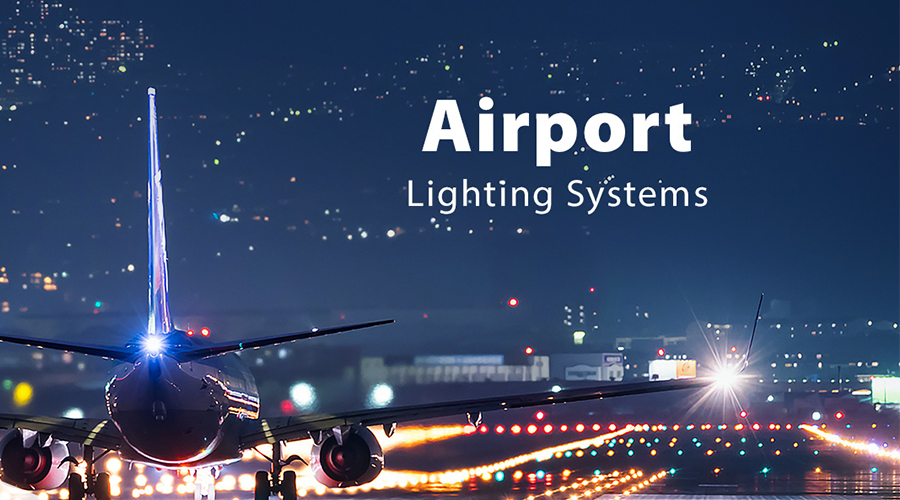
Solar airport lights are mainly used for airport runway edge lighting and airport location indication. They are suitable for Class I, II, and III airports etc.
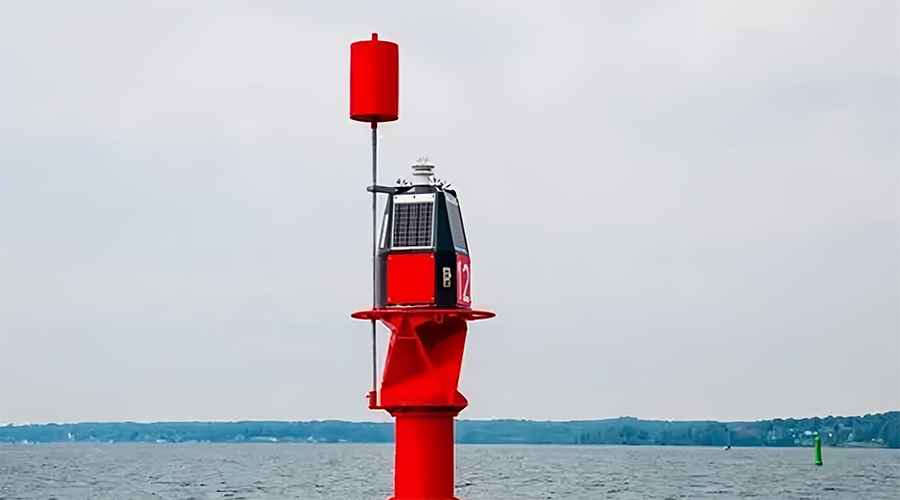
Marine buoy lights used for navigation, powered by solar energy, and come in a variety of colors, such as red, white, yellow, and green, for warning purposes.
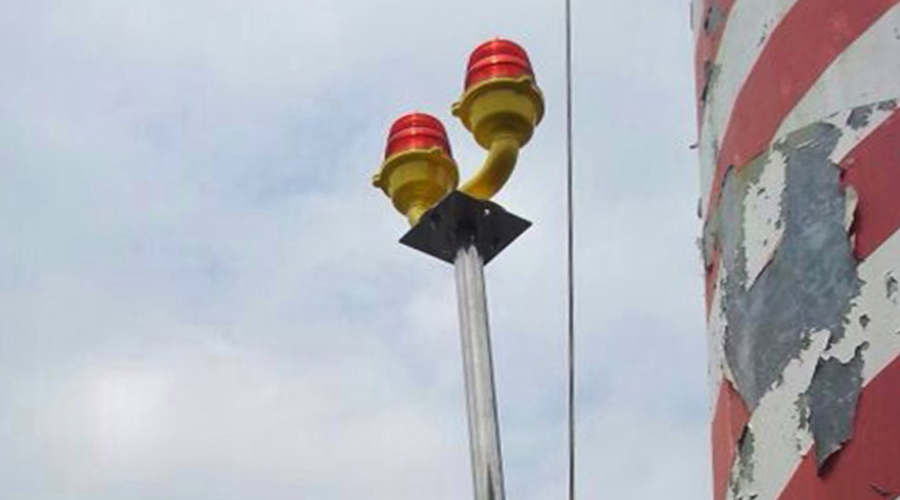
Double obstacle lights are very hotly installed in high-altitude facilities such as high-rise buildings, communication base stations, and wind turbines.
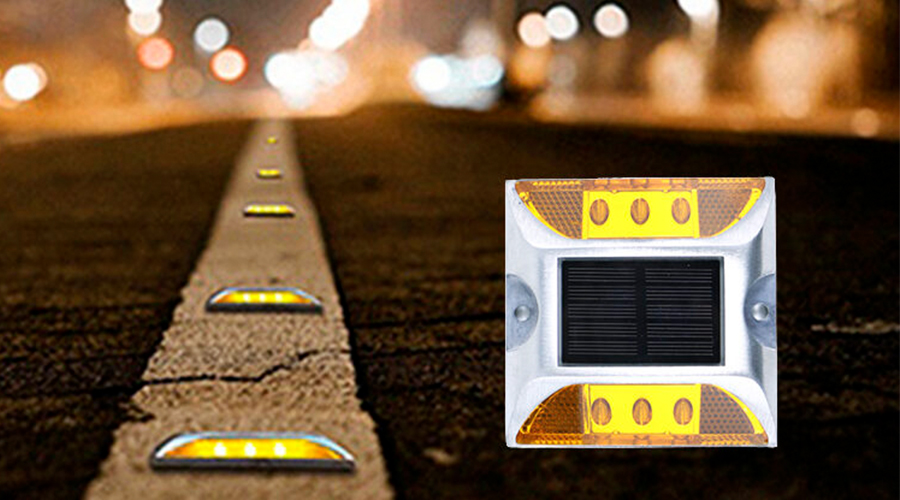
Solar road stud lights to improve road visibility at night, in rainy and low-visibility weather, effectively reducing the occurrence of traffic accidents.